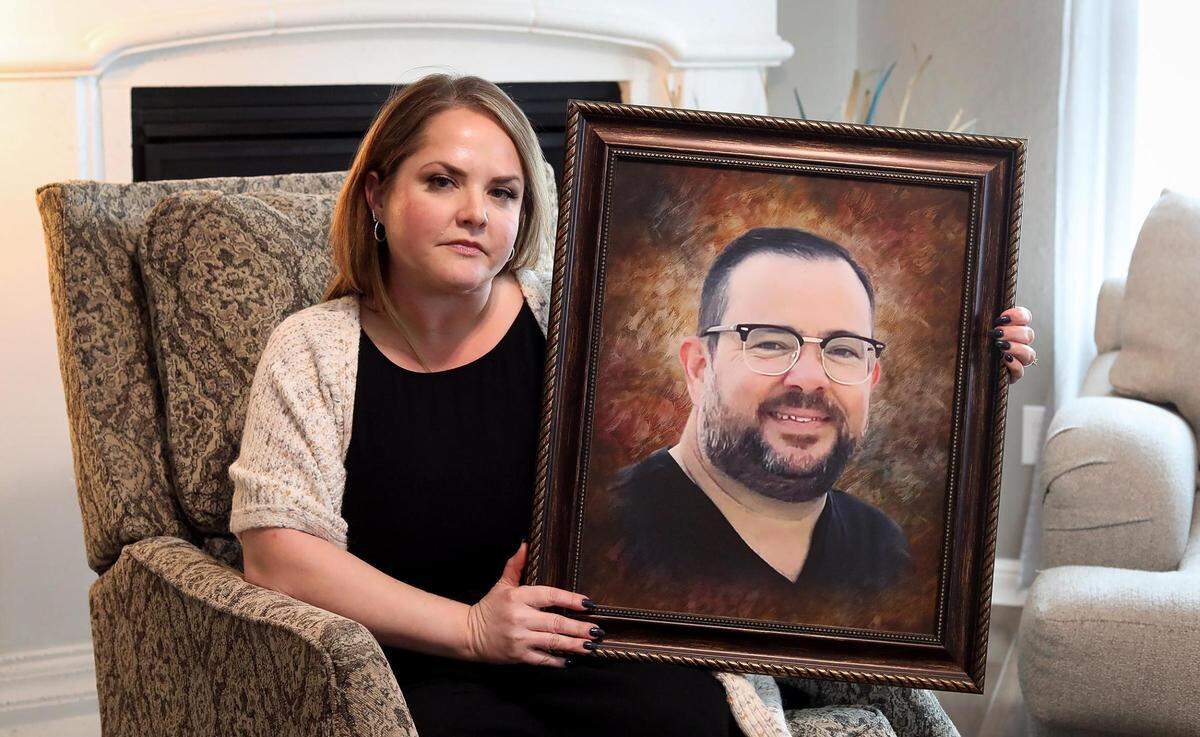
Freezing rain caused the horrific Fort Worth pileup in 2021 on Interstate 35W
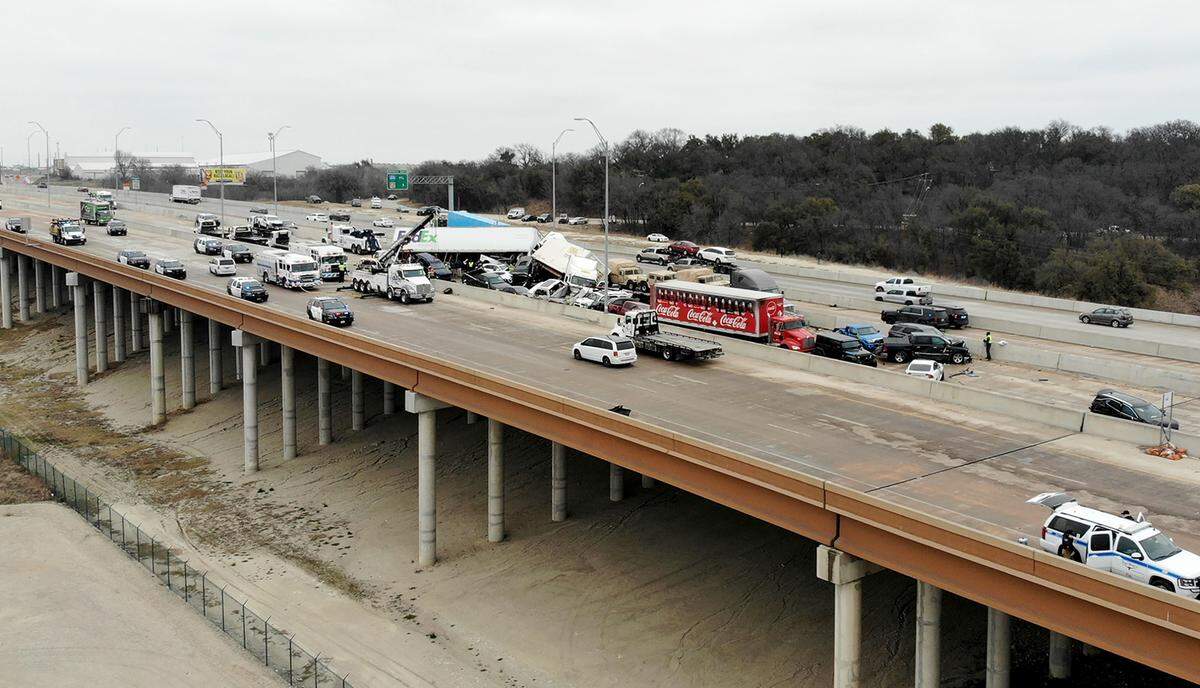
It was nearly five years ago that a massive pileup involving 130 cars and trucks on Interstate 35W in Fort Worth killed six people and injured dozens more. That early morning disaster on Feb. 11, 2021, was caused by a thin sheet of ice on southbound toll lanes, just north of downtown.
A year later, the Star-Telegram revisited some of the emergency workers who responded to the mangled wreckage spanning more than 1,000 feet of highway, desperately trying to rescue victims. Many of those first-responders were still working through the trauma of the pileup, as well as the Great Texas Freeze that followed.
This story by former Star-Telegram reporter Nichole Manna originally published Feb. 6, 2022, around the one-year anniversary of the pileup.
• • •
‘Apocalyptic’: Fort Worth’s deadly I-35W pileup still haunts its heroic rescuers a year later
James Ward heard metal slam into metal as two cars collided.
He heard the sound again as he stepped out of his MedStar ambulance and onto the icy concrete road.
Then he heard it again.
And again.
And again.
He heard it asmore than 130 cars, trucks and semis became ensnared in a deadly pileup on the southbound Interstate 35W express lanes just north of downtown Fort Worth on a freezing February morning.
When the crashing stopped, an eerie quiet fell over the highway.
Then the panicked cries came. Dozens of people called 911. Some yelled at dispatchers, others were calm. One man told a dispatcher that a semi was on top of his car.
As dispatchers began to understand the magnitude of the crash, Ward and his MedStar partner, Cody Riley, walked across five lanes of icy road and over the slick concrete barrier that separates the two southbound express lanes from the rest of the highway. They alone began to dig people out of the wreckage that spanned 1,100 feet — more than three football fields long.
Seven minutes later, the first firetruck slid to a stop as firefighters took in the impossible scene in front of them.
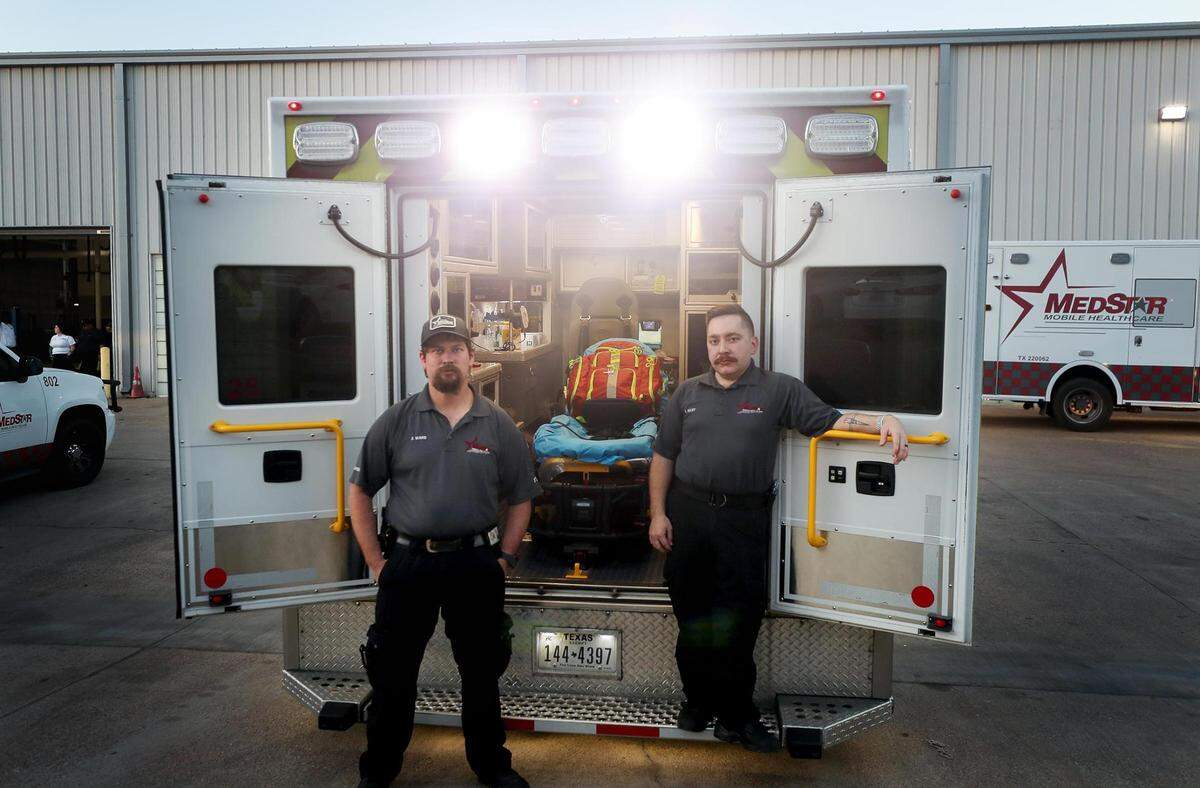
A year after the deadly Feb. 11 pileup that changed hundreds of lives, compounded by a winter storm that killed nearly 250 Texans, the medics and firefighters are still working through the trauma caused by the events of that week. They find comfort in sharing their stories.
At the end of the hours-long rescue on I-35W, six people would be declared dead.
Getting to the scene
Before 6 on that Thursday morning, Ward and Riley were sent to a two-vehicle wreck on I-35W, just outside of the enclosed express lanes, across from where the pileup would happen. They had just finished assessing patients at a different crash. Neither accident involved severe injuries and no one needed hospitalization.
“Our system was blowing up with the weather,” Ward said. Freezing temperatures had been in the area for more than 36 hours, and freezing rain covered this stretch of the interstate in a sheet of ice.
The ambulance that carried Ward and Riley slid down the highway and stopped just as it bumped into the guardrail. When Ward opened his door to address the crash in front of him, the pileup began. The medics witnessed the pileup from start to finish.
As Ward and Riley watched from the highway, EMT Jesse Robinson was in the express lane heading to work at John Peter Smith Hospital. He saw red brake lights in front of him and tried to slow down, but he lost control on the ice. Robinson maneuvered his car to the side and let it graze the guardrail until it slammed into the vehicle in front of him.
Meanwhile, the MedStar medics called for backup as they waited for a safe moment to intervene. Streams of firefighters, more medics and police were on their way before the crashes even stopped.
“My second thought was: ‘How are we going to start this triage? I have two people, and I have over 100 cars,’” Ward said.
Robinson, filled with adrenaline that kept him from feeling his fractured vertebrae and dislocated hip, got out of his car and began to help. He grabbed a woman’s small dog as she climbed through her window. He helped others break windows and escape.
At Fort Worth’s Fire Station 31, about seven miles north of the pileup, engineer Matt Brown listened to radio traffic as he and the rest of the crew prepared to move south. They could sense the scale of the disaster by the tone of the voices they heard on their radios.
When Brown’s team arrived, also via the same express lanes, the crash was still happening around them.
Firefighter Craig Goudie was among the team.
“The only reason the pileup stopped was because Saginaw fire was behind us and they heard what was happening and made the decision to shut the highway down,” Goudie said.
While firefighters made their way through the last vehicles that crashed, Ward and Riley banged on car doors and checked to see who was hurt in the first group of vehicles that wrecked. Uninjured people began to help. An off-duty fireman joined the medics after he called his station. Someone who was a nurse tended to injuries. An off-duty sheriff’s deputy helped Ward and Riley unload equipment from the ambulance.
“It all started swinging really quickly,” Ward said.
Robinson, the EMT who crashed on this way to work, alone removed 20 people from their vehicles.
Search and rescue
Ward and Riley carried their first patient, a young woman, to the ambulance about an hour after the pileup began.
“Looking at her car and where she was at, she was hit by multiple vehicles including about four 18-wheelers,” Ward said. “Her car was just pummeled and she was unconscious. She was an extremely critical patient.”
It took 10 minutes to get the woman out of her car because equipment from the fire department hadn’t yet arrived. The cold made her condition worse. When she was dropped off at JPS Hospital’s emergency room, the medics went back to the crash. They’d take two more patients there.
Ward smiled when he was asked if the woman survived.
“She was able to walk out of the hospital,” he said. “She made a complete recovery, to my knowledge.”
It was about that time that Robinson noticed his back pain was getting worse.
“I was trying to figure out how to get to JPS without taking any resources from the scene. I didn’t want to take an ambulance,” he said.
Robinson flagged down a motorist who had been allowed to drive south on the highway. He asked if he could drop him off at the hospital, and the man immediately agreed.
As Robinson made his trek to get care, firefighter paramedic Brandon McCulloch and his company from Station 14 had arrived to help with recovery efforts. They climbed over vehicles carrying a hydraulic tool to free people from the wreck.
“When you get there, you’re listening for sounds, you’re smelling for gas leaks, you start checking for cars and looking for signs of people,” he said. “We found a dog in one vehicle and got him to a police car.”
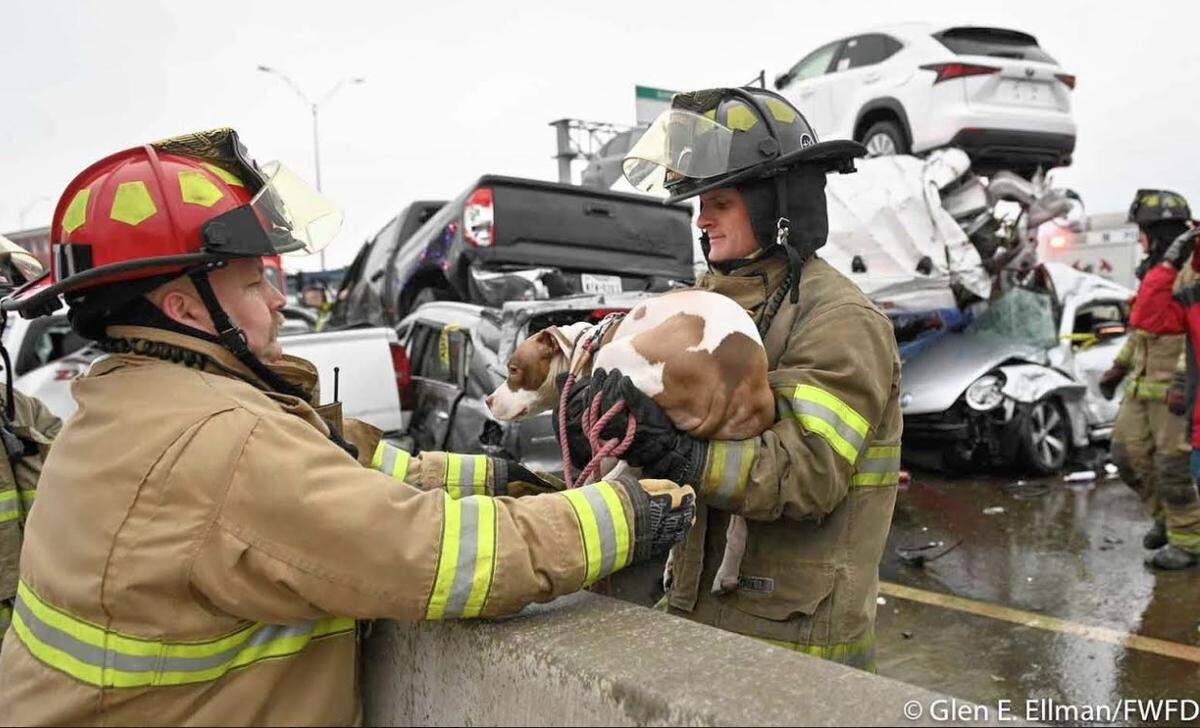
McCulloch and the rest of the team cut open and moved 48 cars while they fought through the bitter cold.
“It was very slick, and it was everything you train for — but you feel like you’re on ice skates,” he said. “The ice wasn’t there long and eventually melted, but we were out there for eight hours and your body gets stiff. Everything took longer because of the weather.”
A year later
The weeks following the pileup felt like they never ended.
“I think I worked 28 days straight,” McCulloch said about the storm and days that followed.
Ward, who doesn’t live in Fort Worth, stayed in the city as Winter Storm Uri barreled through the state, causing millions of Texans to lose power while battling below freezing temperatures for eight days, 23 hours and 23 minutes straight.
Eleven people died in Tarrant County because of the storm.
The trauma of the I-35W crashes stuck with rescuers, but they had to push forward. They responded to house fires caused by space heaters. They helped people in the depths of hypothermia. There were more car accidents, there were carbon monoxide calls. The winter storm kept them going.
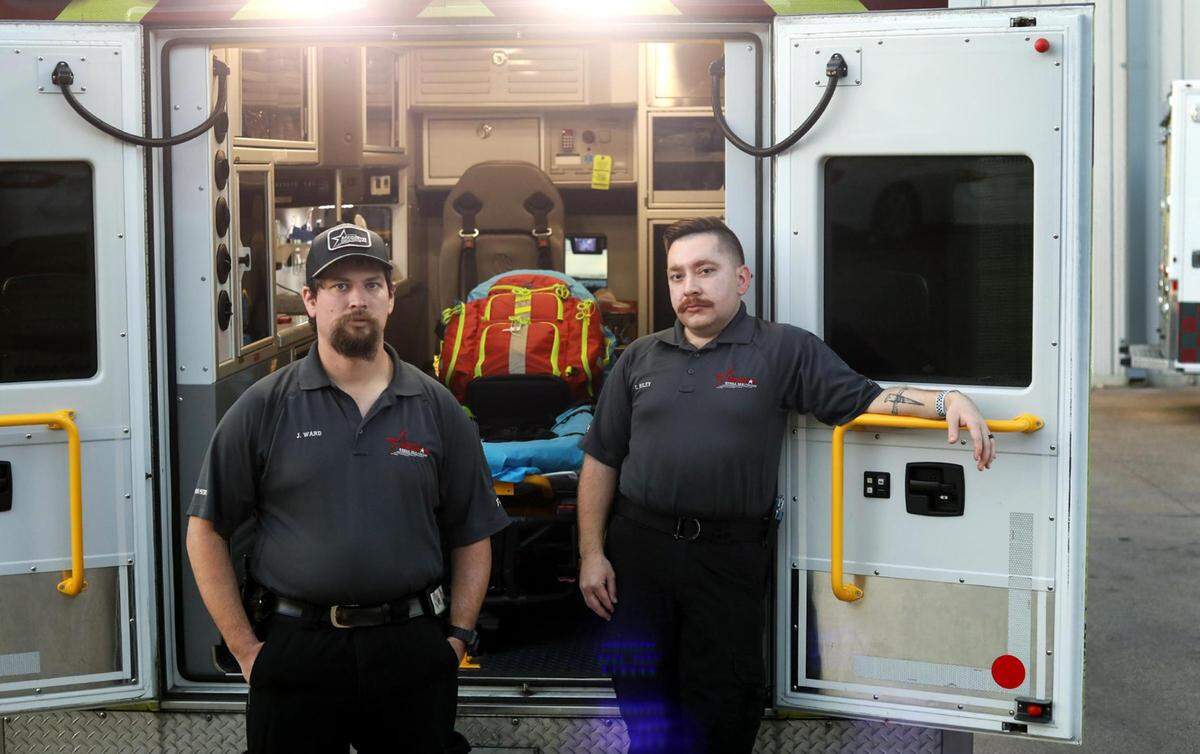
When things finally settled, Ward and Riley noticed subtle changes in their behavior.
“Loud noises were triggering,” Ward said. “There were multiple times with the two of us where a dumpster would go down and we’d flinch.”
His nightmares began almost immediately.
“I ended up ripping off a mirror that was on the wall thinking it was a car door,” he said.
Riley joined MedStar’s Hope Team, which helps medics cope with trauma.
“It was something I always wanted to do, but the crash gave me the drive to move forward,” Riley said. “We’ve always been big proponents of watching your mental health and talking about it. We all talk to each other when we need help.”
McCulloch also found comfort in talking about the crash with others who experienced the recovery efforts with him. He started to turn his music a few notches louder when he worked out.
The crash made him think about morning routines.
“How many people there had Starbucks cups and wouldn’t be there if they hadn’t stopped? Whose alarms didn’t go off, so they were late leaving?” he said.
“A lot of those cars were still in drive and connected to Bluetooth. Some wheels were still turning. You could hear phones ringing, people calling them. Radios were still on. It was like a scene from an apocalyptic movie.”
[Related: Aaron Watson took I-35W on an icy Fort Worth morning one year ago. He never came home.]