
Can a Fort Worth neighborhood and TCU students come to peace terms over parties?
Fort Worth’s Westcliff is, by many standards, the picture of tranquility. Drive along its tree-lined streets, past its historic bungalows and well-tended lawns, and the neighborhood strikes one as the ideal place to carve out a life amid the hubbub of a growing city.
But some longtime residents say that image has been shattered by noise caused by TCU students living in off-campus houses in the neighborhood just south of campus.
Janie Frank, who has lived in Westcliff for nearly 30 years, said on the worst days the sounds of thumping bass and partygoers flood her home from a nearby house occupied by students.
Now, Frank said she and others are fed up with what they say is a lack of response by the city of Fort Worth, the police department and TCU. What’s more, residents believe a program put in place a decade ago to help curb disruptive student behavior in neighborhoods near TCU has failed in its mission.
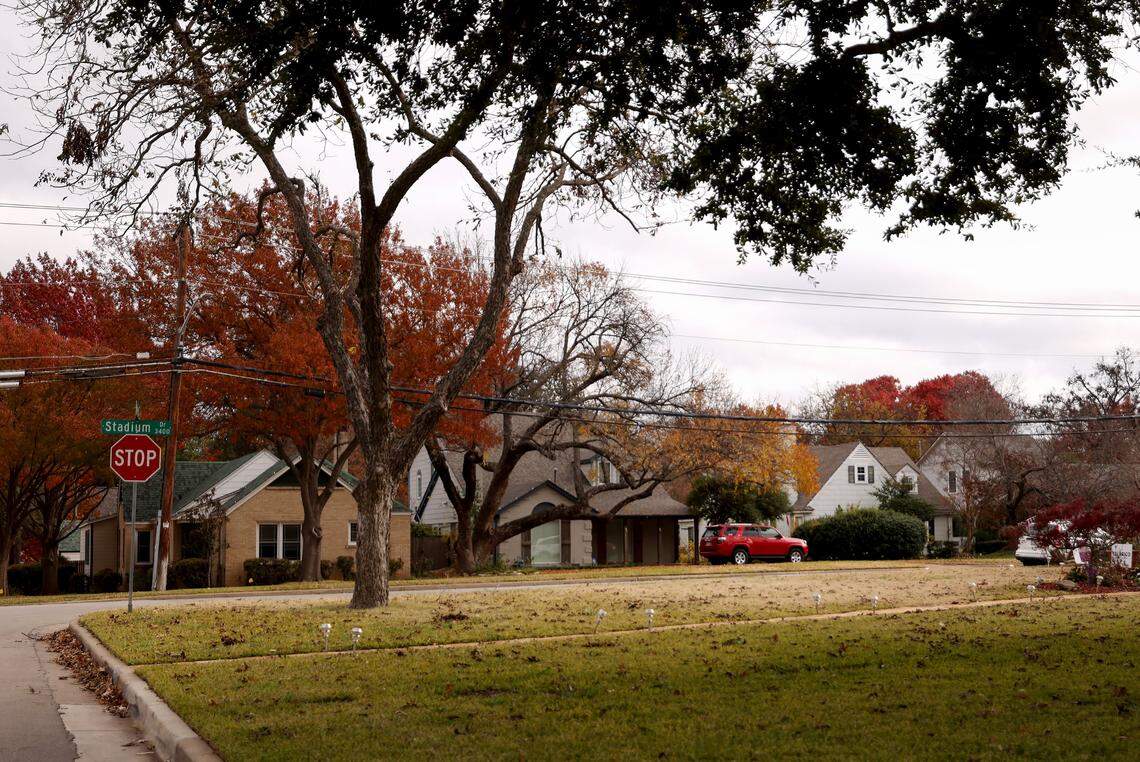
The scope of the alleged noise problem near TCU
Six homes in the Westcliff area generated 52 calls to police, 37 of which were noise or disturbance complaints, between Aug. 1, 2024 and Nov. 20, 2025, according to police records.
Frank has spoken with TCU administrators about the parties, but she said they’ve told her they have no control over what students do off campus.
But when Westcliff residents have resorted to calling the police to put a stop to noisy parties, it doesn’t appear much has been done.
Of the 37 noise and disturbance complaints, 18 were canceled without a police report being filed. At least one was canceled by the complainant, and three more were duplicate calls, but it’s unclear who canceled the others, or why they were canceled.
Often on the occasions when police arrived, officers reported the noise wasn’t unreasonable. Other times police issued a warning to the partygoers. In a few instances, the parties were already over by the time police arrived.
In Fort Worth, the maximum decibel level for a private event in a residential area is 70 between 7 a.m. and 10 p.m. and 60 between 10 p.m. and 7 a.m.
A vacuum cleaner creates about 70 decibels of sound, according to Fort Worth noise ordinance guidances. Sixty decibels is equal to the sounds in an office. Shouted conversations reach decibel levels of 90 to 95.
Jack DeCicco is a TCU student and fraternity member (he asked not to identify the fraternity) who lives near Frank. He and his roommates occupy one house, and some of their fraternity brothers live next door. Their backyards are connected, and DeCicco said they throw parties before TCU football home games.
DeCicco said they’ve tried to work with their neighbors. He said they came to an agreement that their pre-game parties wouldn’t go past 8 p.m., and DeCicco said he and his friends have kept their end of the bargain.
Indeed, the only noise complaints this year for DeCicco’s house and the house next door were made in the afternoon and early evening. None appear to have resulted in a police report being filed.
DeCicco has met with Frank about her concerns, and he said he understands where she’s coming from.
“Parties are not the best things to have to live next to,” he conceded.
On the other hand, DeCicco said he, his roommates and his friends want to enjoy themselves on their own properties. He said they do their best to keep noise and traffic congestion to a minimum and clean up trash left behind by party guests.
DeCicco said their parties haven’t gotten out of control, but when police have shown up, they’ve simply given the students a warning.
“If the police won’t shut us down, it really must not be that bad,” he argued.
DeCicco said the calls to police feel like “backstabbing,” since he believes he and his fellow students are doing what their neighbors asked of them.
DeCicco’s landlord is Jeremy Spann, a TCU graduate whose investment group owns about 20 rental properties near the university, all catering to students. He said his lease contracts include strict guidelines meant to keep tenants from creating too much of a disturbance. That includes provisions that subject tenants to fines for certain violations.
Spann said in recent years those lease guidelines have become more restrictive. Over the past two years, he said, he’s heard few complaints from neighbors. He was surprised when the Star-Telegram called him to talk about the Westcliff residents’ concerns.
When Spann was a TCU student, he and his friends rented houses in neighborhoods where he now owns properties, said Spann. He characterized those places as “dumps.”
That experience, said Spann, motivated him to be a better landlord than the ones he had. He said he responds to tenant needs promptly and goes the extra mile by providing things like landscaping service. He said he also welcomes an open dialogue with surrounding residents.
Two years ago, Spann added a portal to the website for his property management company, Stacks Property Services, where neighbors can report complaints about his tenants and his homes. Spann said the last complaint he received was in November 2024.
But in Frank’s estimation, the parties are an ongoing problem, and she doesn’t think anything will change as long as police are giving warnings instead of citations.
At one house that was the source of multiple calls to police, officers met with the occupants twice during the middle of the week and talked to them about keeping the noise down, according to the records. Less than three weeks after the second meeting, though, police were again alerted to a complaint at the same address.
While Frank is glad parties like DeCicco’s are happening in the daytime as opposed to late at night, she argues they nonetheless create a nuisance, making it difficult for residents to coexist peacefully with their student neighbors.
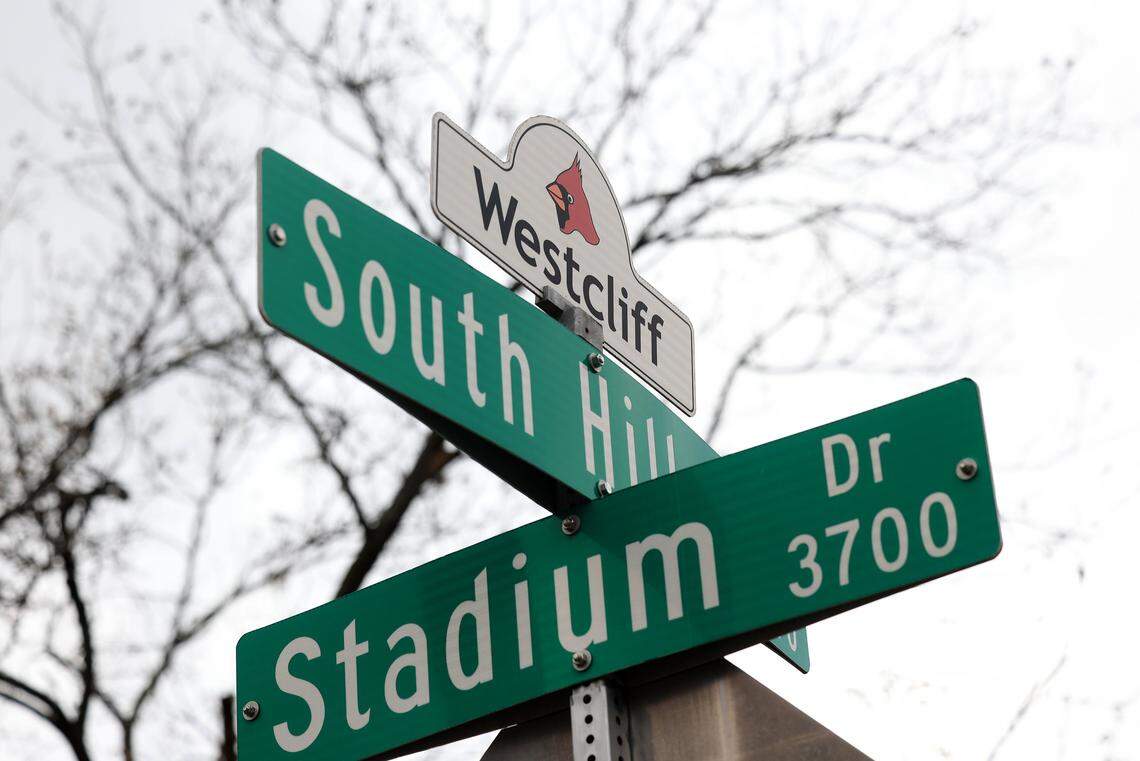
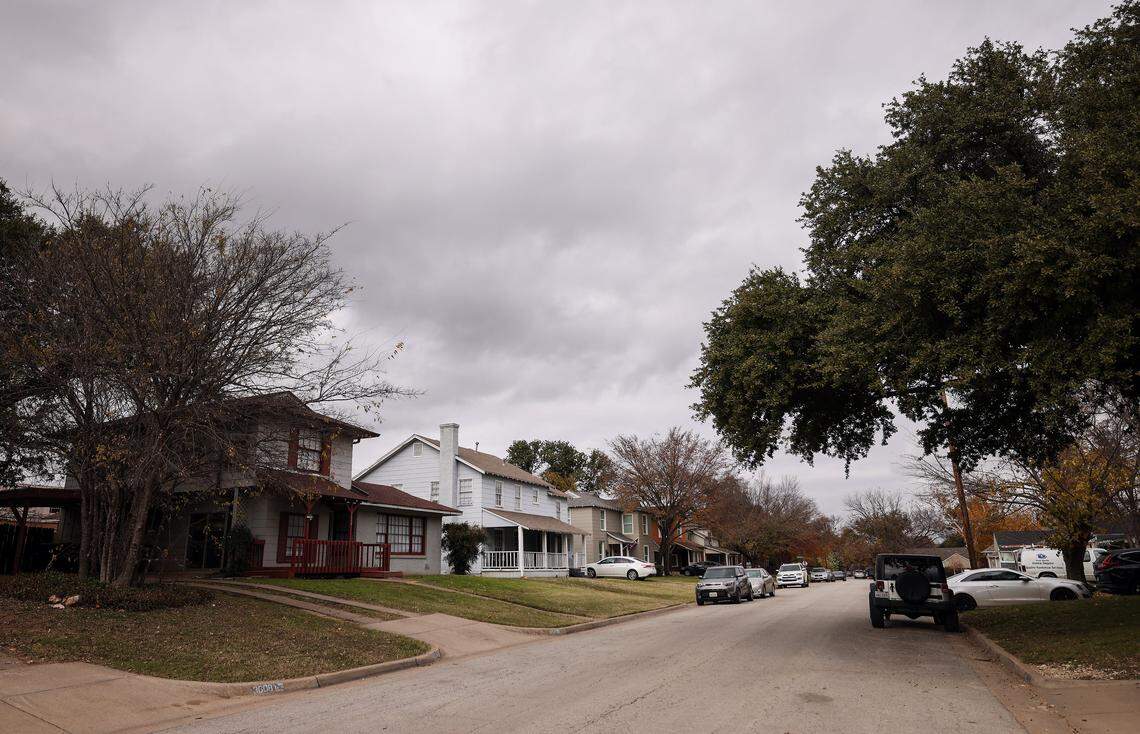
What recourse do residents have to curb TCU students’ parties?
Asked if TCU administrators will intervene when students are repeatedly causing a disturbance, a university spokesperson referred to a statement included in a March Star-Telegram story.
“When notified of off-campus student events, student affairs leadership meets with the students involved to reinforce expectations outlined in the Code of Student Conduct,” the statement read. “This is separate from any actions taken by Fort Worth police or the city.”
TCU’s latest code of conduct prohibits the use or possession of alcohol by anyone under the age of 21, and it prohibits “dangerous use of alcohol” by any student, regardless of age. It also prohibits disruptive conduct “at functions sponsored by the university or by members of the university community or in which members of the university community participate,” indicating the policy covers off-campus events, like parties, hosted by students.
Frank is fairly certain there’s underage drinking happening at the parties in her neighborhood, and she’s absolutely certain there’s disruptive behavior. That leaves her puzzled as to why the issues persist, even after she and others have brought them to TCU’s attention.
About 10 years ago, the city of Fort Worth partnered with TCU and campus area residents to establish the Neighbor-to-Neighbor program, which was designed to foster good relationships between students and their off-campus neighbors.
The idea, it seems, is that Neighbor-to-Neighbor interventions could help resolve conflicts before they reached the point of police involvement.
But Frank and Martha Jones, who lives in the Bluebonnet Hills neighborhood near TCU, said that program is a shell of what it once was.
In the beginning, Jones said, there were quarterly Neighbor-to-Neighbor meetings when representatives from the city, the university, the surrounding community and the student body discussed problems and came up with solutions.
However, meeting frequency and participation waned during and just after the COVID-19 pandemic, and both Jones and Frank said it’s never recovered.
Shureka Johnson is the city of Fort Worth community engagement liaison who has been overseeing Neighbor-to-Neighbor. She acknowledged the meeting frequency fluctuated after the pandemic but said the quarterly cadence resumed two years ago.
Johnson also said city staffers, city council members, police and university officials have been more active in Neighbor-to-Neighbor discussions as of late. Council Member Michael Crain told the Star-Telegram that he was in fact taking a more active role in bolstering Neighbor-to-Neighbor.
As far as what remedies frustrated residents have, Johnson said they can report noise complaints directly to the office of TCU’s dean of students. The university’s deans review those complaints and act on them, said Johnson, “assuming actionable information is available.”
Johnson said a dean will meet with students who are found to have caused a disturbance, but she stressed that the meetings are “educational, not punitive.”
In addition to contacting the university, Johnson urged residents to report problems to the police. She said neighborhood patrol officers are “encouraged to issue tickets based on information received from a police report.”
Jones helped start Neighbor-to-Neighbor, and she stressed that she never wanted it to strictly be a mechanism for punishing “bad” behavior. In her view, the program’s mission is to educate young people on how to be responsible members of a community.
Jones believes student involvement is crucial in finding long-term solutions to the noise problem, and she believes many students are just as fed up as their older neighbors with the parties in campus-adjacent neighborhoods. Jones is hopeful that a resurgent Neighbor-to-Neighbor program, with students invited to sit at the decision table, will result in fewer calls to police and happier residents.
In a statement to the Star-Telegram regarding Neighbor-to-Neighbor, a TCU spokesperson said “the university values being a good partner with our surrounding neighborhoods and appreciates the city of Fort Worth’s leadership in directing the Neighbor-to-Neighbor program. We are an active participant in these productive discussions and appreciate their role in building mutually effective relationships.”
The spokesperson added that TCU is building new on-campus residences, “providing more housing than ever for students on TCU’s campus.”
Will private patrols do more to stop the noise than standard police intervention?
Meanwhile, Frank and other residents are now looking into hiring off-duty police officers to patrol their neighborhoods on the weekends to crack down on the noise. They’re willing to reach into their own pockets to put a stop to a problem they feel isn’t being taken seriously enough.
The Star-Telegram asked a Fort Worth police spokesperson why citations weren’t issued when officers were called to the same address multiple times over a relatively short period. The spokesperson said since it’s different officers responding on different occasions, they may perceive each incident as isolated and treat it as such.
The spokesperson said officers can see some historical data associated with a property when responding to a call, but that information is typically limited to previous reports of violence or threats toward police. Things like past noise complaints wouldn’t necessarily be visible to them.
Of course, there’s also the question of whether the noise was that bad to begin with, as evidenced by the calls to police that resulted in officers saying the complaints were without merit.
In addition to Spann, the Star-Telegram requested comment from another landlord who owns a home where police were recently called for a noise complaint, and where a 22-year-old man, who was not a TCU student, died in June from drug and alcohol toxicity. That landlord did not respond to an email requesting comment.
According to Frank, members of TCU fraternities live in some of the houses that have generated noise complaints, including DeCicco’s house. The Star-Telegram contacted the presidents and advisers for those fraternities asking for their perspectives, but those email messages were not returned.
Jones said she lived next to fraternity members for six years and dealt with the accompanying noise, but she eventually came to an understanding with the students where she could call them if a party got out of hand.
Even with that experience, Jones said he welcomes TCU students to her neighborhood, and she never wants them to feel as though older residents are dissecting their every move.
“I am not anti-student,” Jones said, adding that she believes students should be able to have parties in their homes “within reason.”
Instead of placing the blame for the noise and disruptions solely on students, Jones pointed the finger at real estate developers who have built so-called stealth dorms. These are primarily duplexes in which rooms are rented to students.
Jones said it’s “getting louder and louder” in areas where you find those duplexes. She hopes the city of Fort Worth will continue to limit their construction, as happened on Dec. 9 when the City Council approved a zoning change to the Rosemont neighborhood near TCU which prohibits multifamily housing.
Star-Telegram reporter Emily Holshouser contributed to this report.
This story was originally published December 29, 2025 at 5:00 AM.