
Like something from a ‘night club.’ Weary neighbors want TCU, city to crack down on parties
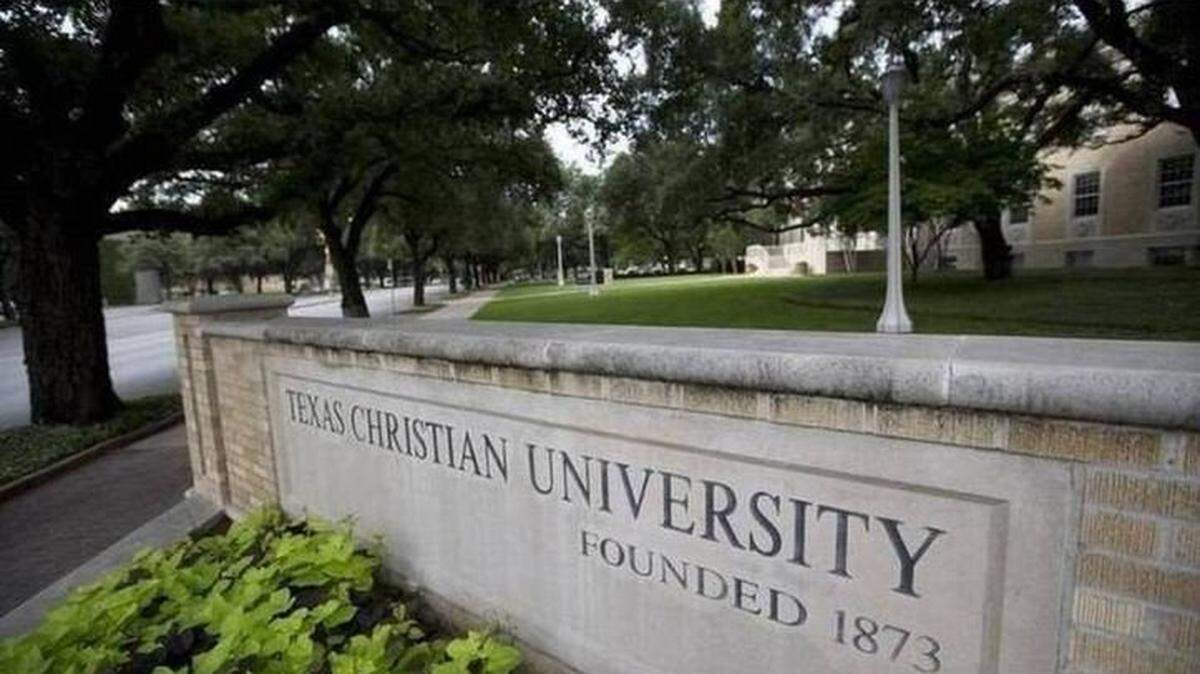
Janet Williamson has been dealing with off-campus parties around TCU for the past decade.
Williamson, the former head of the Westcliff neighborhood association, got involved after coming home in 2015 only to be confronted with loud noise and vibrating bass from a nearby house party.
Williamson said things got better after the city of Fort Worth created its Neighbor-to-Neighbor program, which brought the university and residents together to resolve issues around trash and noise related to parties.
However, the problem still exists, and neighbors like Williamson say the university isn’t doing enough. A Super Bowl party in February brought roughly 200 students to the neighborhood, clogging streets with traffic and filling the neighborhood with noise.
“This is a residential area, but it effectively ends up when they have these parties being like a night club district,” said Janie Frank, who has lived in Westcliff for 27 years.
The university said it works closely with the city and neighborhood associations to address complaints about off-campus behavior, but residents like Frank and Williamson said more needs to be done to make sure students and residents can co-exist peacefully.
When did it start?
Student parties were not a big issue when Frank moved to Westcliff nearly three decades ago. At the time the undergraduate population was closer to 6,200 students compared to the 11,000 undergraduates enrolled in the Fall 2024 semester.
Frank accused the university of growing too fast and foisting students onto the surrounding neighborhoods.
Undergraduate enrollment has grown roughly 29% in the last decade, and could grow by as much at 35% by 2035, according to the university’s strategic plan.
Just under half the student population lives in on-campus housing, which has increasingly been in short supply. TCU has capacity for 4,527 students not including those who live in fraternity and sorority housing.
The university requires freshmen and sophomores to live on campus, but is 141 beds short for the current school year. Two recently completed dorms will add 292 beds to the university’s inventory in the fall.
“It’s not fair,” Frank said. “They should have planned for this either by having some place where they could have parties or providing housing for them.”
The university is trying to catch up, Williamson said, but argued that work should have started sooner.
What’s being done?
The city of Fort Worth and the university set up the Neighbor-To-Neighbor program in 2015 to bring the university, city officials and neighbors together to talk about problems and come up with solutions related to noise, traffic and trash left behind by student parties.
The program initially was very successful and helped cut down on some of the nuisances.
However, over the last few years, both Williamson and Frank said TCU has been reluctant to address off campus behavior.
“TCU values being a good neighbor and works closely with the city of Fort Worth, neighborhood associations and law enforcement through the Neighbor-to-Neighbor (N2N) program,” said university spokesperson Holly Ellman in an email to the Star-Telegram.
“When notified of off-campus student events, student affairs leadership meets with the students involved to reinforce expectations outlined in the Code of Student Conduct. This is separate from any actions taken by Fort Worth Police or the city,” she said.
The city’s noise ordinance prohibits loud music in residential neighborhoods after 10 p.m., however, it can be hard to enforce. Noise calls are often given a lower priority, which means police show up long after a complaint has been filed.
Williamson and Frank have tried to get around this hurdle by developing relationships with students to set up lines of communication about parties.
This has helped, but Frank said it only lasts as long as those particular students live in the neighborhood. Often she has to start the process all over again when the properties turn over.
Students go to college to learn, and part of that learning is about what it means to be a good neighbor, said Fort Worth city council member Michael Crain, whose district includes the Westcliff neighborhood.
Residents want students to understand that these neighborhoods are places where families live and people have invested in their properties, Crain said. “There’s some respect that goes along with that of not having mega parties at a house.”
Crain is working with the city to develop a more robust neighbor-to-neighbor program to make sure residents concerns are addressed.
Overall, TCU has been a great partner, but it takes a team effort between residents, the city, the university and students to make sure everyone is respected, he said.
This story was originally published March 10, 2025 at 5:33 PM.
.jpg)