
TCC moves to rebuild a faculty senate to comply with Senate Bill 37 changes
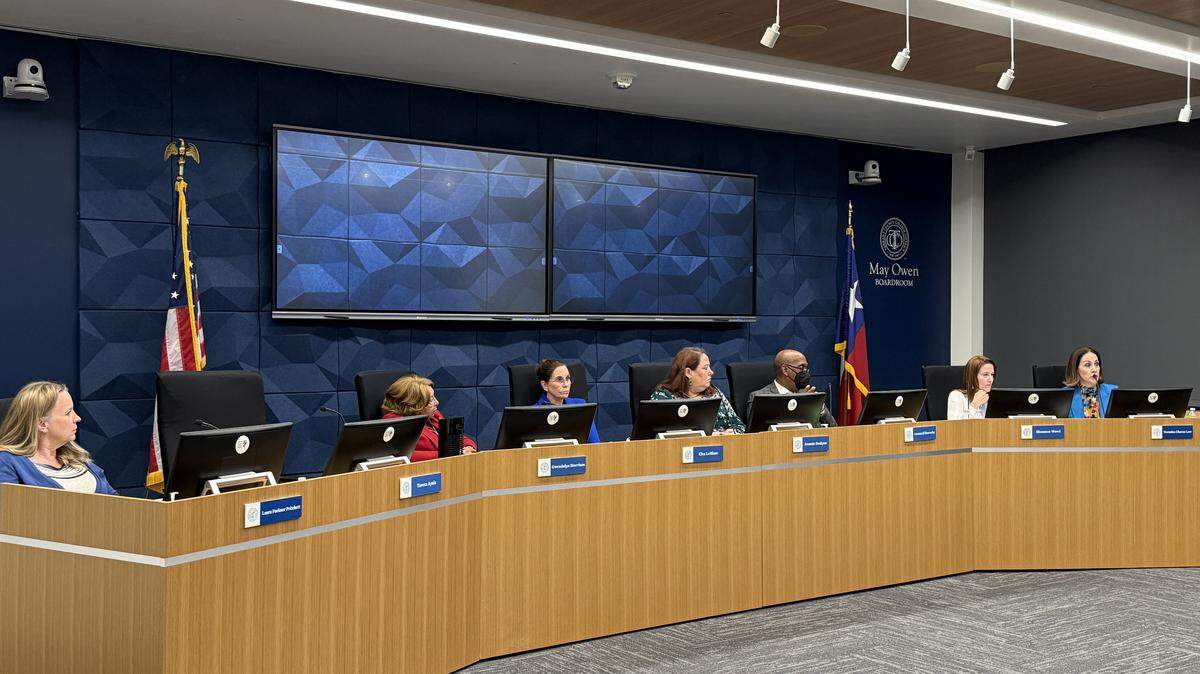
Tarrant County College is going through the process of reestablishing a faculty senate to comply with a new Texas law that changed the rules for how the governance bodies operate.
Senate Bill 37, which took effect Sept. 1, required public colleges and universities to abolish their faculty associations as previously structured and gave chancellors and trustees more power over discipline, hiring and curriculum. Supporters say it aims to curb liberal bias within higher education, while critics have called the legislation an overreach.
Senates are now limited to 60 members, and chancellors are responsible for selecting their leadership.
The law also created an office of the ombudsmen to oversee complaints about colleges.
In October, TCC trustees approved proposed policy changes that would allow a new faculty senate for its six campuses.
Previously, the college had both a faculty association and a faculty senate; under SB 37, only a senate will represent the college campuses. Two faculty members from each campus were nominated by their presidents to serve on a policy review committee.
“It’s a group of 12 engaging faculty across our six campuses to have well-informed policy, to have something that faculty collectively can live with and support, and then it goes through the process from there,” Andy Bowne, TCC Southeast Campus president, said.
After a full review, the chancellor will consider approving the plan.
What are faculty saying?
Lee Snaples, a history professor at South Campus, was a part of the policy revision team. He said faculty deal with students daily and want an opportunity to have their opinions heard.
According to Snaples, TCC plans to have only 42 senate members, allowing for more later if a new campus is added.
“The key component here — faculty, staff and administration at this institution always have the same goal,” Snaples said. “We want to provide the best educational experience we can for our students.”
Snaples said TCC didn’t choose to change the faculty governing system — state lawmakers did. The college is trying to comply with the law while maintaining the same ties with the administration.
“It is much more those relationships, rather than any piece of paper, which will determine how effective shared governances is,” Snaples said.
Natalie Russell, an assistant biology professor at Connect Campus, TCC’s online campus, said the most important thing was to make sure all the senate’s mechanisms complied with the law.
“The policy is sort of the overarching guidelines for how it will operate,” Russell said. “The details of how the elections will happen, how many faculty members, how will items get added to the agenda.”
Russell said while there are only 12 faculty members working on the draft, they are not “operating in isolation.”
“We’re gathering input, asking questions, hearing from their concerns, because this regulation is going to be around for hopefully a while,” Russell said. “So we want to make sure it reflects the reality of what it will be like to serve in this role, and that it will be a positive move forward for our faculty senate.”
TCC trustee Shannon Wood of District 2 noted during the October meeting how much progress had been made by Bowne, the Southeast Campus president, and Shelley Pearson, the vice chancellor and provost.
“I just want to congratulate you both and the members of your committee for getting this taken care of,” Wood said. “This is huge to the faculty, I got numerous phone calls, numerous emails and just makes my heart proud that you did it this quick.”
At the same meeting, Gloria Powell, the college’s chief human resources officer, presented a policy revision that is in line with SB 37’s mandate on how employee discipline and termination should be handled.
Now, staff and faculty will appeal personnel and disciplinary matters to their campus president. The next level is to the vice chancellor and provost, and the final level of appeals goes to the chancellor.
Bowne said the regulation could be approved before the semester ends, allowing the faculty to start the nominations and elections process.