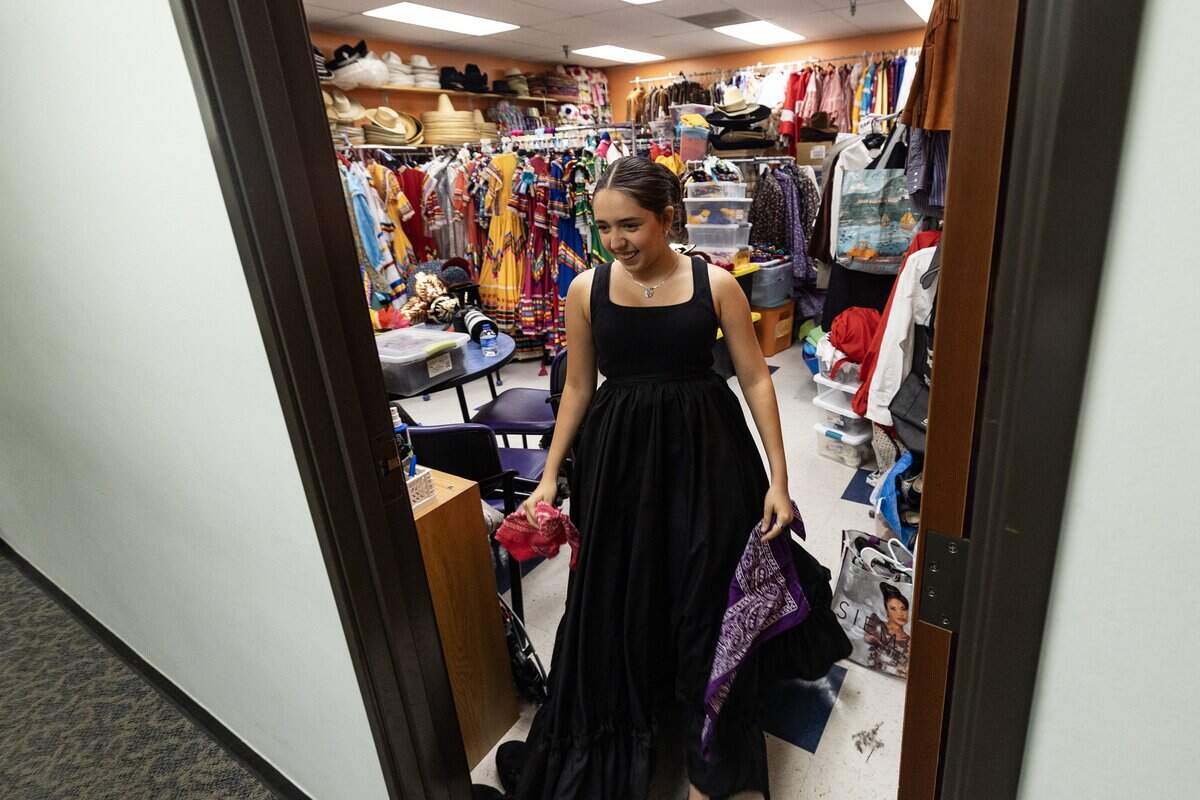
50 years of dance: Ballet Folklorico Azteca is sacred part of Fort Worth culture
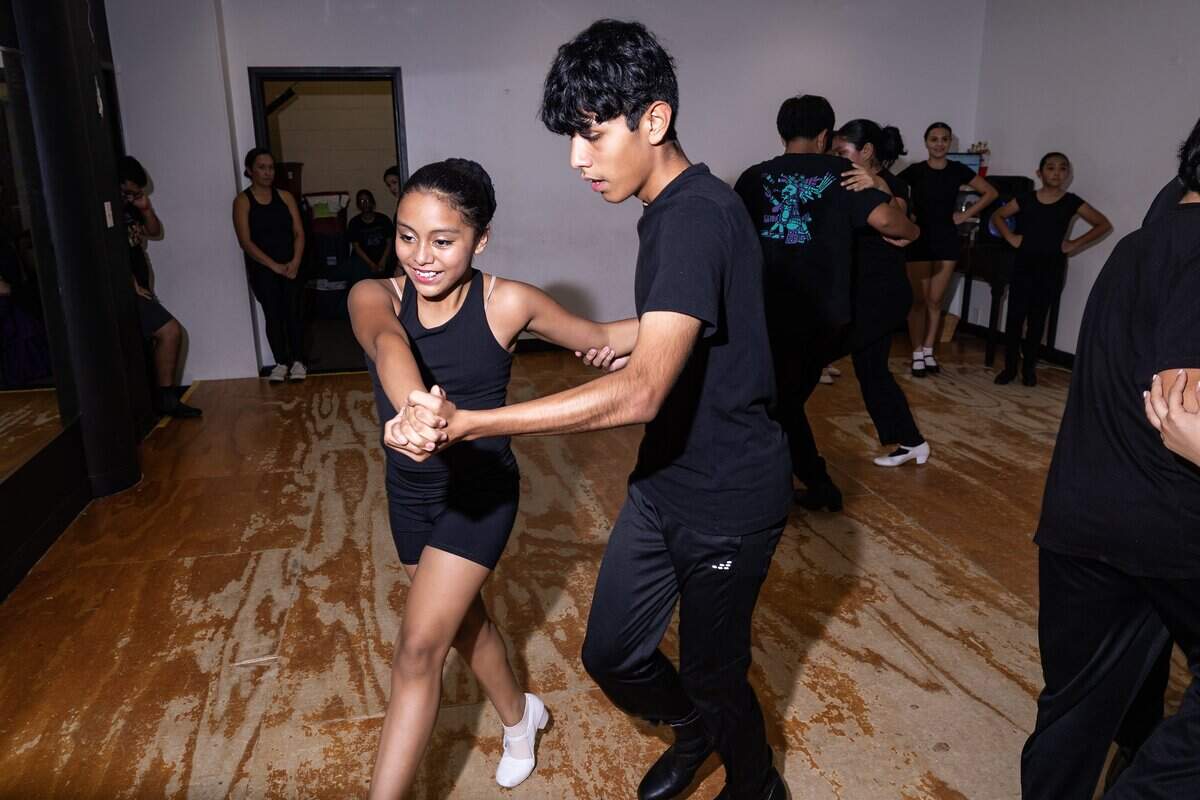
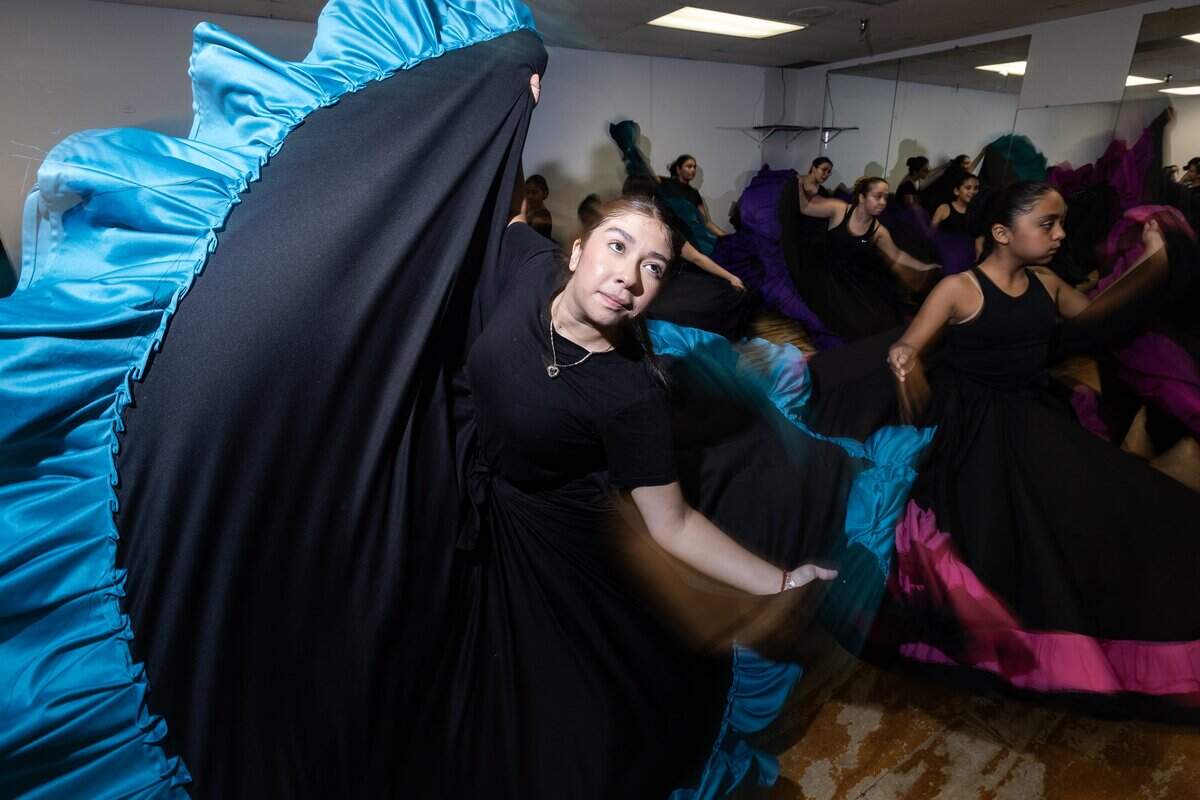
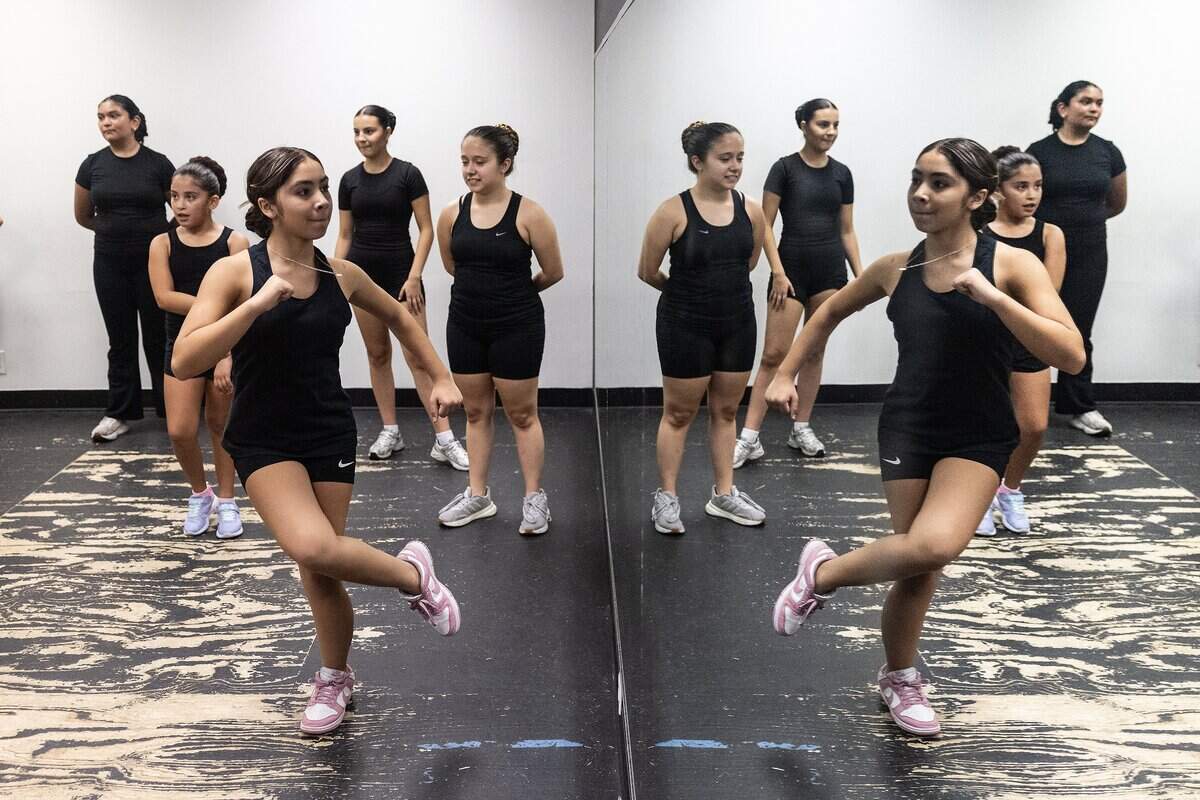
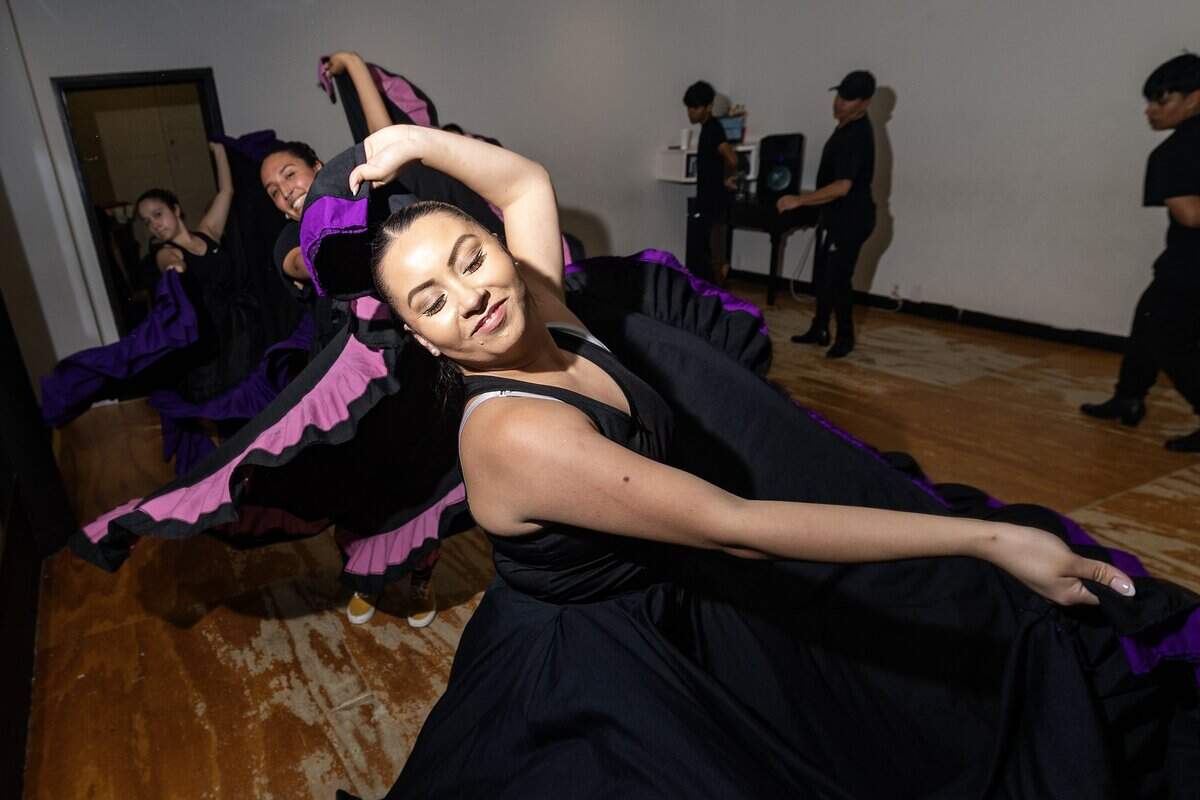
Nearly two dozen dancers squeeze into a dance studio at La Gran Plaza on a Thursday evening.
Everyone is dressed in black. Some are inexperienced teenagers; others have been dancing for decades.
All together, they raise one knee high, put their right arm at a 90-degree angle and spin in motion. They stop in unison and stomp one foot against the wooden floor. A few of the dancers lose their balance and nearly fall, but everyone is smiling.
These dancers, who are part of Ballet Folklorico Azteca de Fort Worth, are practicing the Concheros, a Mexican folk dance rooted in hundreds of years of tradition and culture.
Mike Mireles is one of the dancers. The 60-year-old has been dancing since he was 11, when his mother made him and his brother take part in Ballet Folklorico Azteca. He is now one of several instructors for the young children helping them to dance, build their confidence and understand their Mexican heritage.
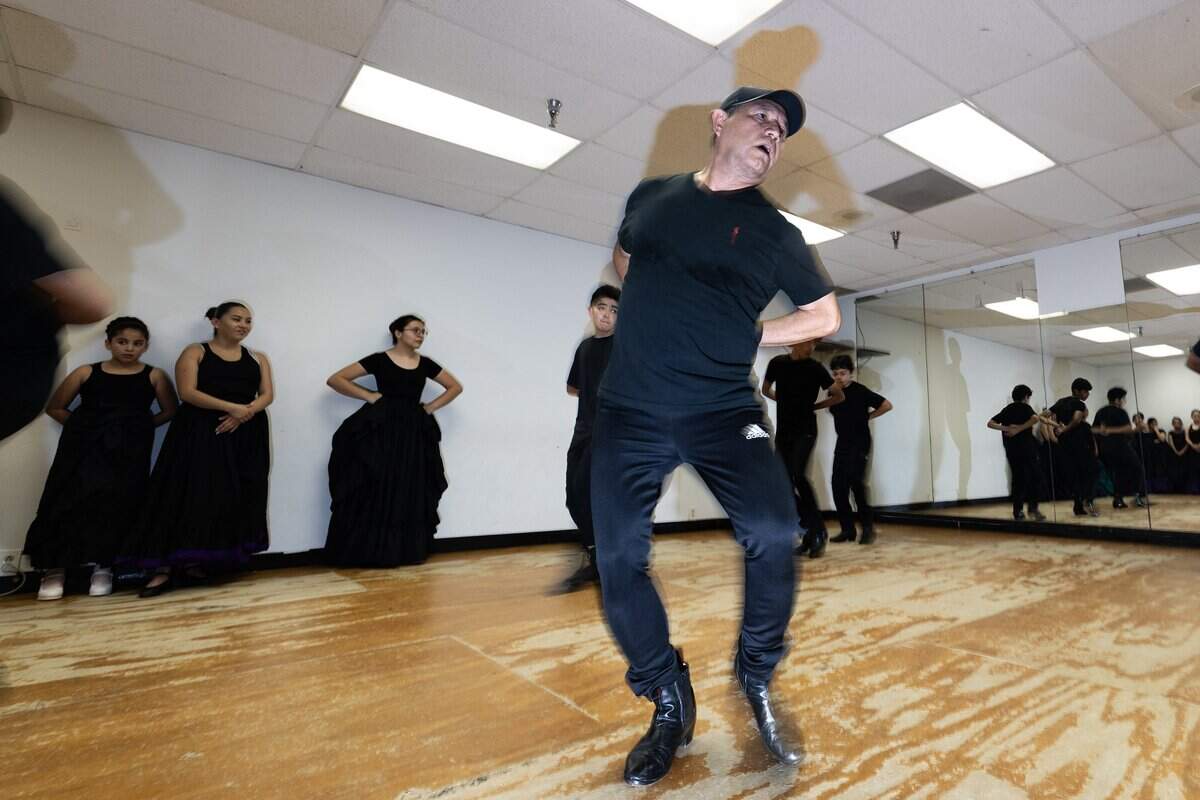
Mireles cherishes those moments when after a public performance, people of Hispanic descent come up to them to praise their work. Dancing connects everyone who watches. And when they step off the stage, the applause is a reminder of who they do it for and what they represent, Mireles said, becoming emotional.
“We are a part of Fort Worth’s culture and history,” Mireles said.
‘Just show people what we can do’
Ballet Folkorico Azteca is celebrating 50 years, a milestone that has many of those involved reflecting on their role in preserving Mexican folk dance.
Ashlyn Gomez, 15, has been a part of Ballet Folklorico since she was 7. The familiarity of the clothes, dancing and Mexican culture convinced her to join.
In September, Gomez was among the dancers who were recognized during a Fort Worth City Council meeting for Hispanic Heritage Month. The group performed outside the council chambers, where they were acknowledged by Mayor Mattie Parker and council members Jeanette Martinez and Carlos Flores.
Gomez said she was excited to entertain the crowd and show the hard work, support and culture Ballet Folklorico has given to the community for years.
“It was a really nice experience, to be honest, when they brought out that certificate and we got the opportunity to go and dance and just show people what we can do,” Gomez said.
.JPG "AHi_j0012(33).JPG")
How Ballet Folklorico started in Fort Worth in 1975
Fifty years ago, Angelina Morales was running a community center in west Fort Worth when she wanted to create a new after-school activity for children.
By coincidence, she and Felipa Carrizales, the director of the Northside Community Action Agency, met a male folklorico dancer named Maestro Jesús Reyes looking for work. Morales, Carrizales and Reyes teamed up and established Ballet Folklorico Azteca de Fort Worth in 1975.
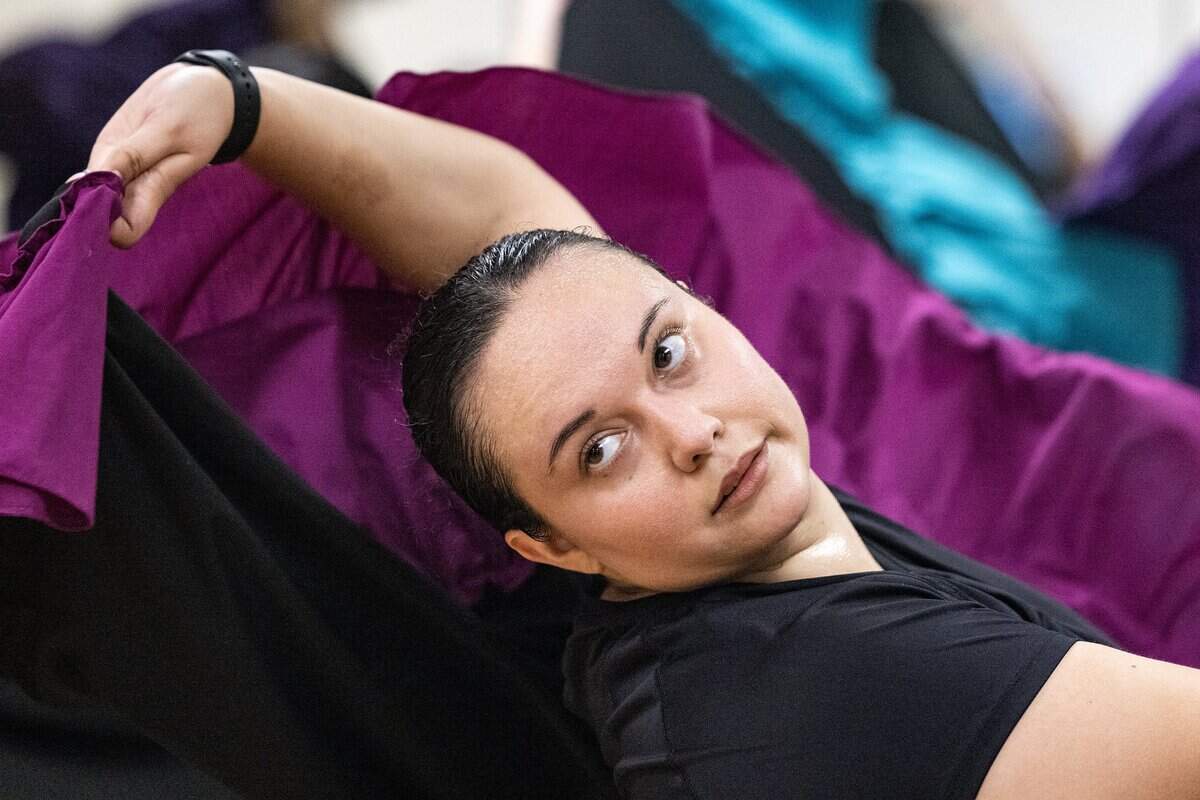
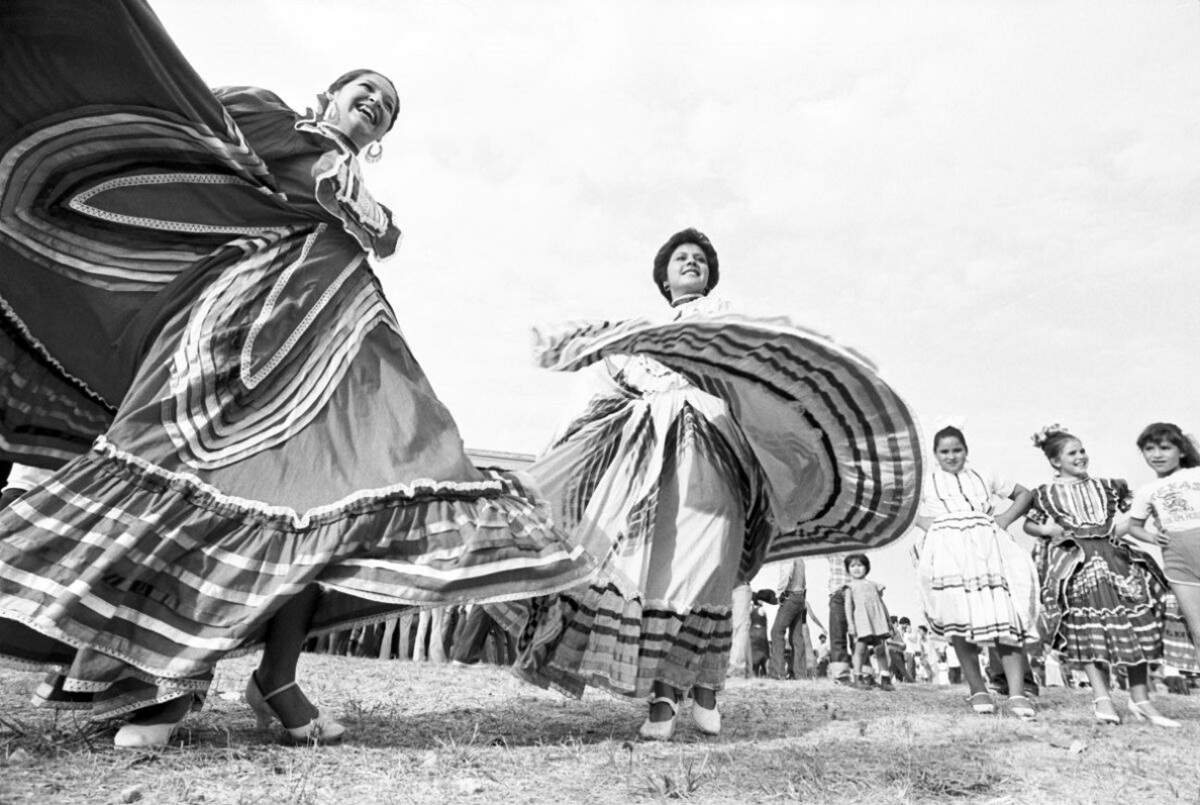
Ballet Folklorico is a collective term for traditional cultural dances that represent different Mexican regions and states with ballet influences. It is highlighted by its colorful costumes and the various clothing from all parts of Mexico.
The studio started in the church hall of what is now San Mateo Catholic Church. Over the years, they practiced at community centers and churches until they found a permanent home in the basement level of La Gran Plaza, where they’ve been for 21 years.
Carol Alvarado is Morales’ daughter. She was 12 when her mother opened Ballet Folklorico Azteca de Fort Worth. Alvarado and her sister were one of the first students of the dance organization.
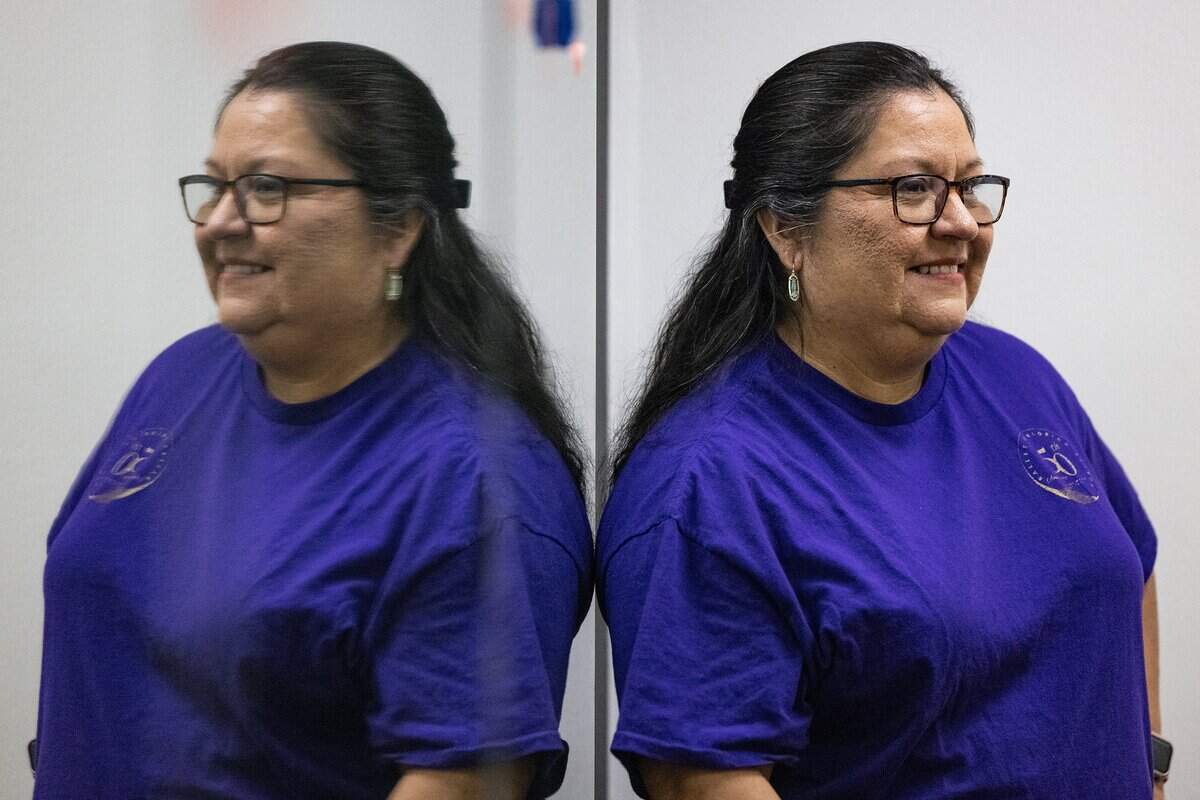
By 1997, Alvarado became the studio’s director “to make sure that the group stayed together,” she said. Ever since, she’s been passing down her passion for folklorico to her daughters, grandchildren and students, helping to share Mexican culture with Fort Worth.
Now the studio director, Alvarado remembers the joy of the performances and the friendships she developed. These days it’s witnessing the development of the younger dancers and the pride beaming from parents’ faces when they perform.
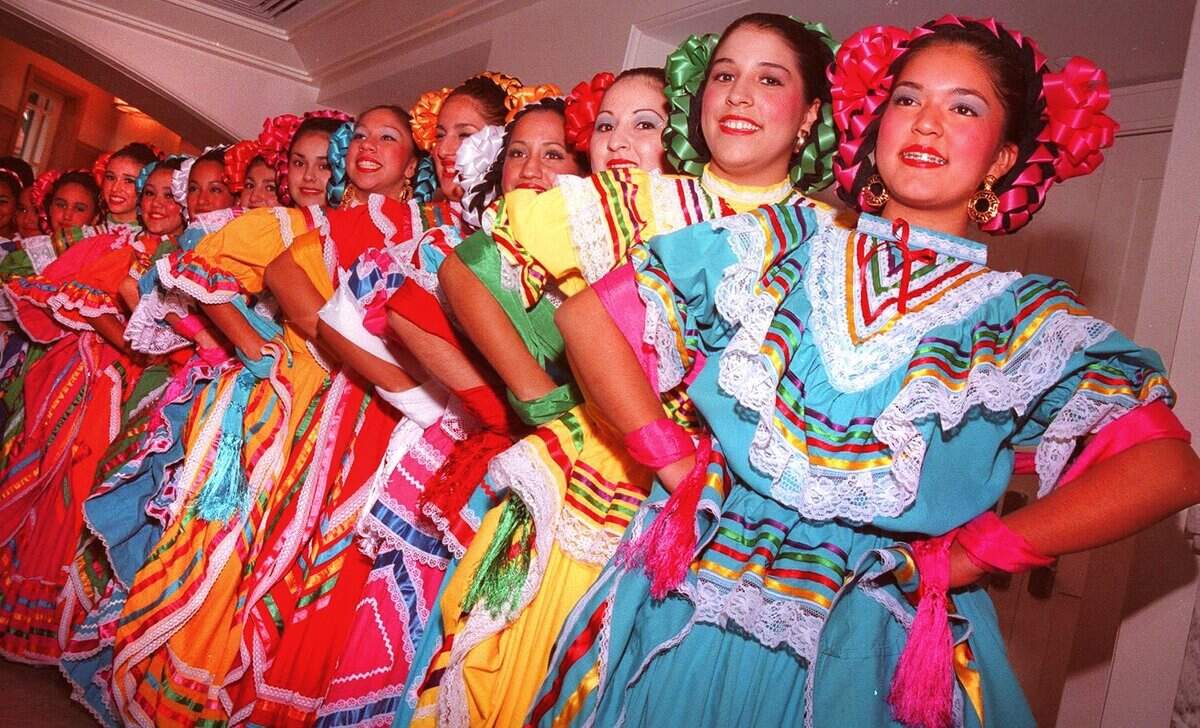
From the instructors teaching the dancers, the moms that help with the costumes, hair pieces and props, and and the dads helping during parades, it takes a hard-working, unified village to get it all done, Alvarado said.
“It’s a big commitment for everyone, and it shows when they’re on stage,” Alvarado said. “And that’s worth doing all of this.”
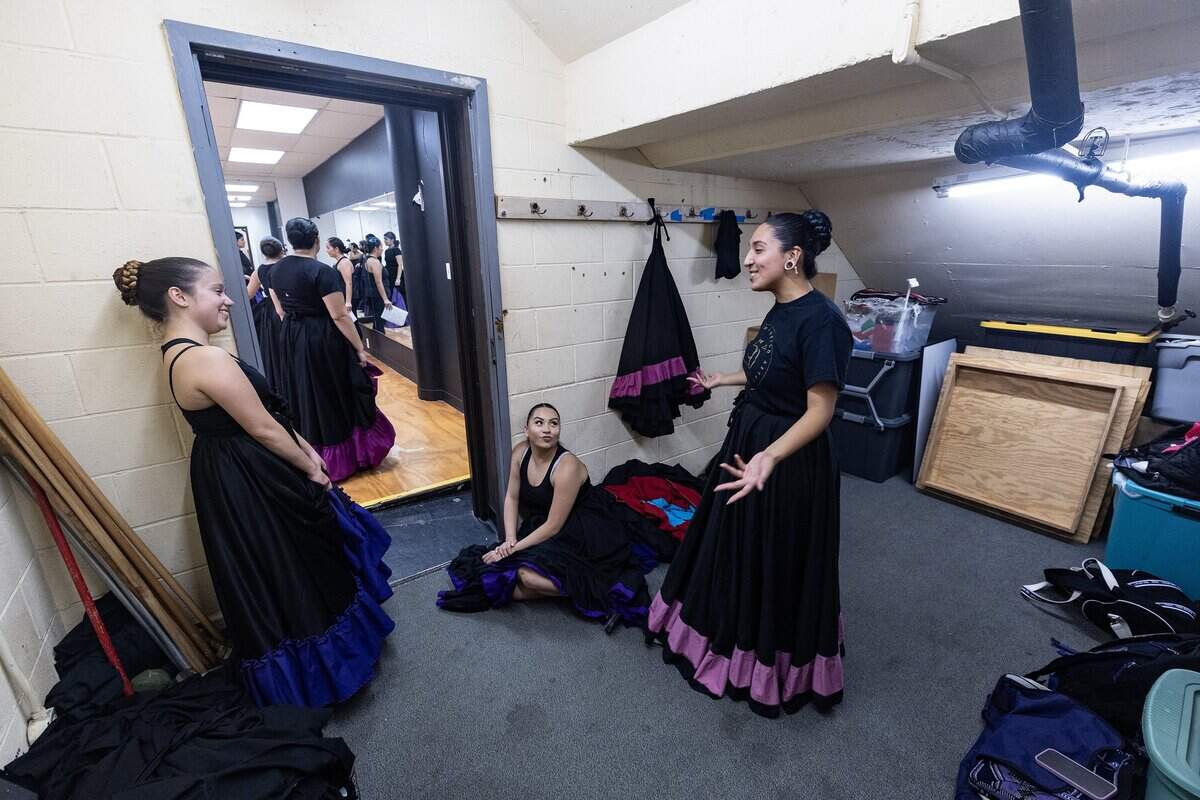
‘It’s about art, it’s about music, culture, family traditions’
There are 95 dancers from the ages of 3 to 65 years old. They perform around two to four times a month, but it varies. They perform at schools, universities, nursing homes, public festivals, private parties and corporate events. They have done shows for the Texas Rangers, the Fort Worth Stock Show & Rodeo, and even traveled out of the country to Scotland and England.
Alvarado now has 11 members of her family participating, from her granddaughter who dances to her daughters who are instructors. She hopes to maintain the amount of current dancers and continue to open doors for more in the future.
For Alvarado, it’s important for everyone to be proud of who they are and cherish the cultures and traditions of their families.
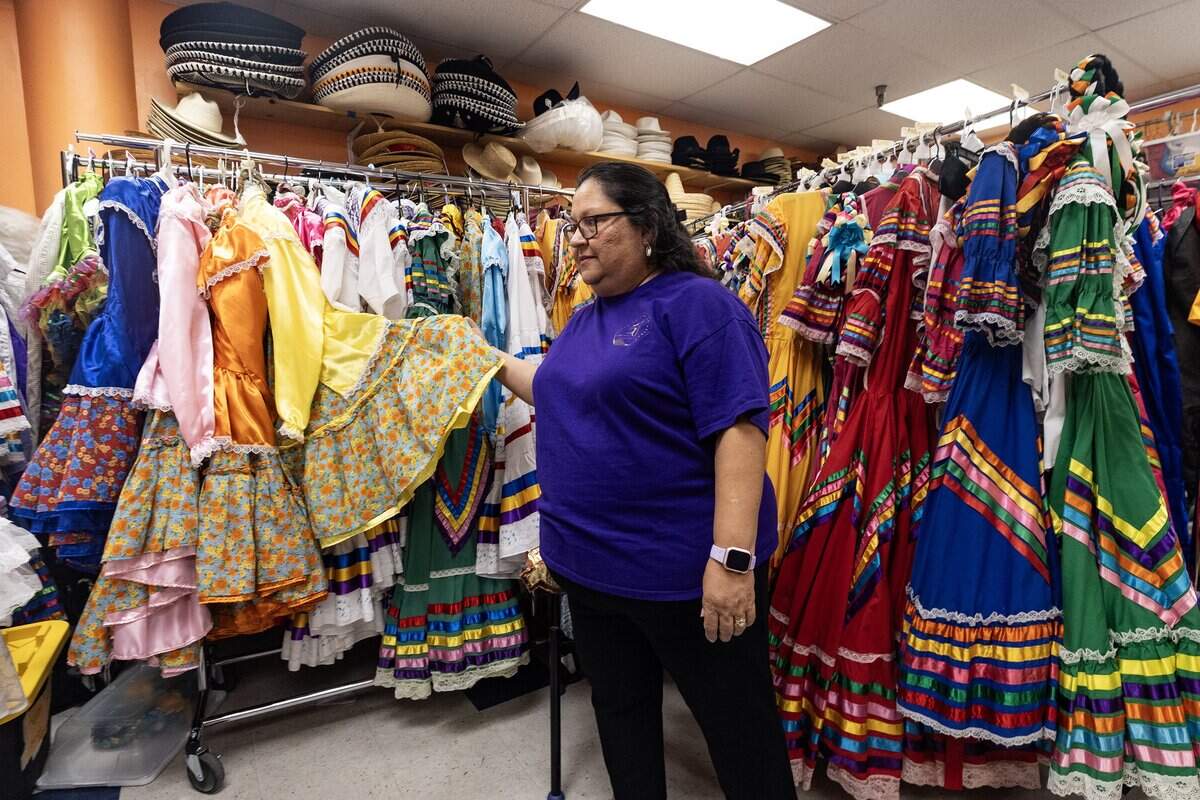
“I think for Fort Worth, and being a large number in the population, it’s important to be represented, and this is a beautiful way to do it,” Alvarado said. “And it’s about art, it’s about music, culture, family traditions, and all the stories that come with it, and making memories and just sharing that with the community and with each other.”
They will have public performance on Oct. 12 at La Gran Plaza at 3 p.m., and at 4 p.m. at St. Matthew Lutheran Church, 5709 Wedgewood Drive.
The group will also participate at the 22nd Annual Dia de los Muertos en Fort Worth on Nov. 1, where they will perform at Rose Marine Theatre, 1440 N. Main St.. They will also be in the Día de los Muertos Parade that will begin at North Main and Central Avenue and head north towards the Stockyards. For more information, go to diadelosmuertosfortworth.org.
On Nov. 22, Ballet Folklorico will have hold a “Celebración De Oro” to celebrate 50 years in Fort Worth with a performance at I.M. Terrell Academy , 1411 IM Terrell Circle, at 2 p.m. for academy dancers or dancers as young as 2 and over 60, and 7:30 p.m. for junior company and company dancers or advanced dancers.
For more information on how to purchase tickets, go to the Ballet Folklorico Azteca de Fort Worth, Inc. Facebook page.