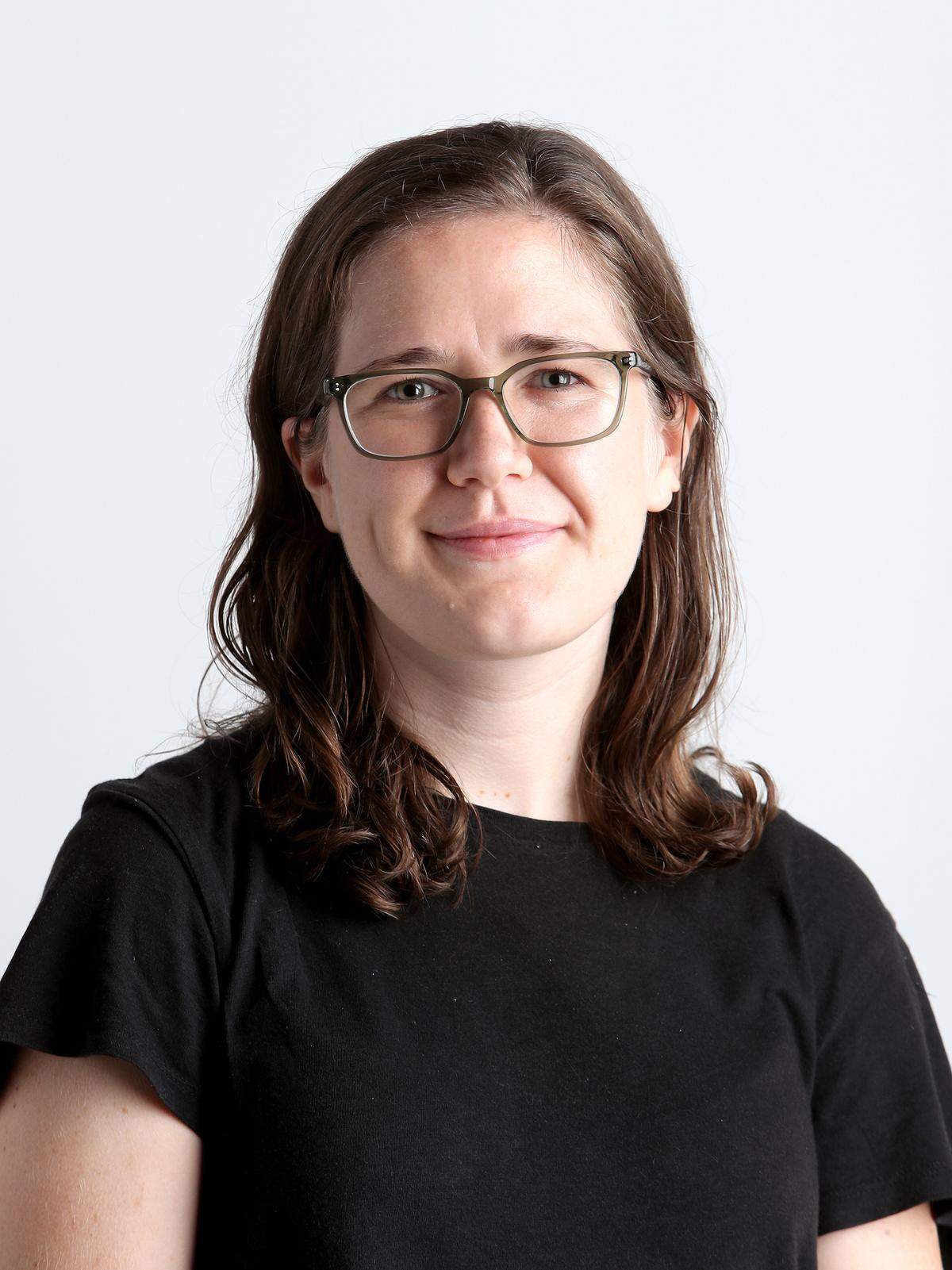
Fort Worth man’s wife died of ovarian cancer. He shares her story to help others

When Jeff Guttenfelder met his future wife, Ni Guttenfelder, he didn’t know they would spend their lives together.
The two met in high school, and it would be several years before Jeff decided to ask Ni out. But eventually, he realized that he’d met the person he wanted to spend his life with, he said.
But the pair’s marriage was cut short. Ni died in 2022, at 42, from ovarian cancer. In the years since her death, Jeff has channeled his grief into action, and now talks to Fort Worth area medical students about his wife’s story and the experience of living with ovarian cancer through the group Survivors Teaching Students. The group has educated more than 150,000 health care students about ovarian cancer. By sharing her story, he said, he hopes to equip future doctors with the knowledge they need to treat ovarian cancer patients appropriately.
Ovarian cancer is particularly difficult to treat because it is typically diagnosed at an advanced stage, said Dr. Tracilyn Hall, associate professor of gynecologic oncology at Baylor College of Medicine. The cancer is sometimes referred to as the “silent killer” because its symptoms are so easy to miss, she said.
Ovarian cancer is the ‘silent killer’
Ni’s cancer journey began in 2007, when she was diagnosed with cervical cancer at age 27. She received extensive treatment, including a radical hysterectomy, chemotherapy, and radiation, and was in remission for 10 years.
But after a decade of peace, some worrying signs started cropping up: She gained weight, and was urinating frequently. Around that time, she got genetic testing done, and an oncologist called to tell her that one of her genes had been reclassified as a BRCA1 gene, meaning she was at advanced risk for ovarian or breast cancer.
But the Guttenfelders didn’t worry until one day, when the two were at a seminar together, Ni left to go to the bathroom, and came back in excruciating pain, Jeff said.
Ni ended up going to the emergency room for a bowel obstruction, and stayed in the hospital for 10 days. A CT scan revealed that a tumor was wrapped around Ni’s colon. After surgery to remove the tumor, a biopsy revealed that Ni had stage III-C high-grade serous ovarian cancer, an advanced stage of ovarian cancer.
Part of the reason that ovarian cancer is typically diagnosed so late is because the symptoms are “very non-specific,” said Hall, who is also a member of the Society of Gynecologic Oncology. The symptoms are typically bloating, pelvic pain, and changes in bowel and bladder function.
“These are symptoms that, because they can be so generic, oftentimes, get dismissed in the health care workup,” Hall said.
Ovarian cancer is the deadliest of all gynecologic cancers, according to the Ovarian Cancer Research Alliance. The cancer is the 11th most common cancer among women, but the fifth leading cause of cancer-related death in women, according to the alliance.
Sharing story with UNT, TCU med students
For the next four years, Ni underwent relentless treatment: Rounds of chemo, multiple surgeries, and numerous hospital stays.
Throughout it all, Ni stayed busy, and Jeff stayed by her side. During her treatment, Ni and Jeff began speaking to medical students through Survivors Teaching Students. Ni also started a podcast called SpeakGyno, through which she interviewed fellow ovarian cancer patients. In one episode recorded shortly before her death, Ni spoke about the power of sharing her cancer journey with others.
“Others need to know what survivors and patients go through because where else are you going to learn this?” she said. “It’s not book knowledge. You don’t truly understand unless you live it.”
In 2022, after years of treatment, Ni’s doctors recommended that she transition to hospice care. Ni stayed active until the very end, even recording a podcast with Jeff during hospice. During that interview, Ni said that Jeff had insisted on her receiving hospice care at home, instead of at an inpatient facility. She asked her loved ones to support Jeff after she died.
“I just want to ask all of our family and friends that, whenever that day comes after I pass, to not forget about Jeff, because all of the pain and discomfort that I might be feeling is coming to an end, but his grieving process would just be beginning,” she said.
Ni spent three weeks in hospice care at home before she died Feb. 18. She was 42.
Today, Jeff continues to share Ni’s story to help medical students at UNT Health Fort Worth and the Burnett School of Medicine at TCU be better able to treat ovarian cancer patients. He’s also participating in the upcoming fundraising event Wheel to Survive, which supports the Be the Difference foundation and ovarian cancer research.
“I’ve been able to live with the pain,” Jeff said. “But the loss is always there.”