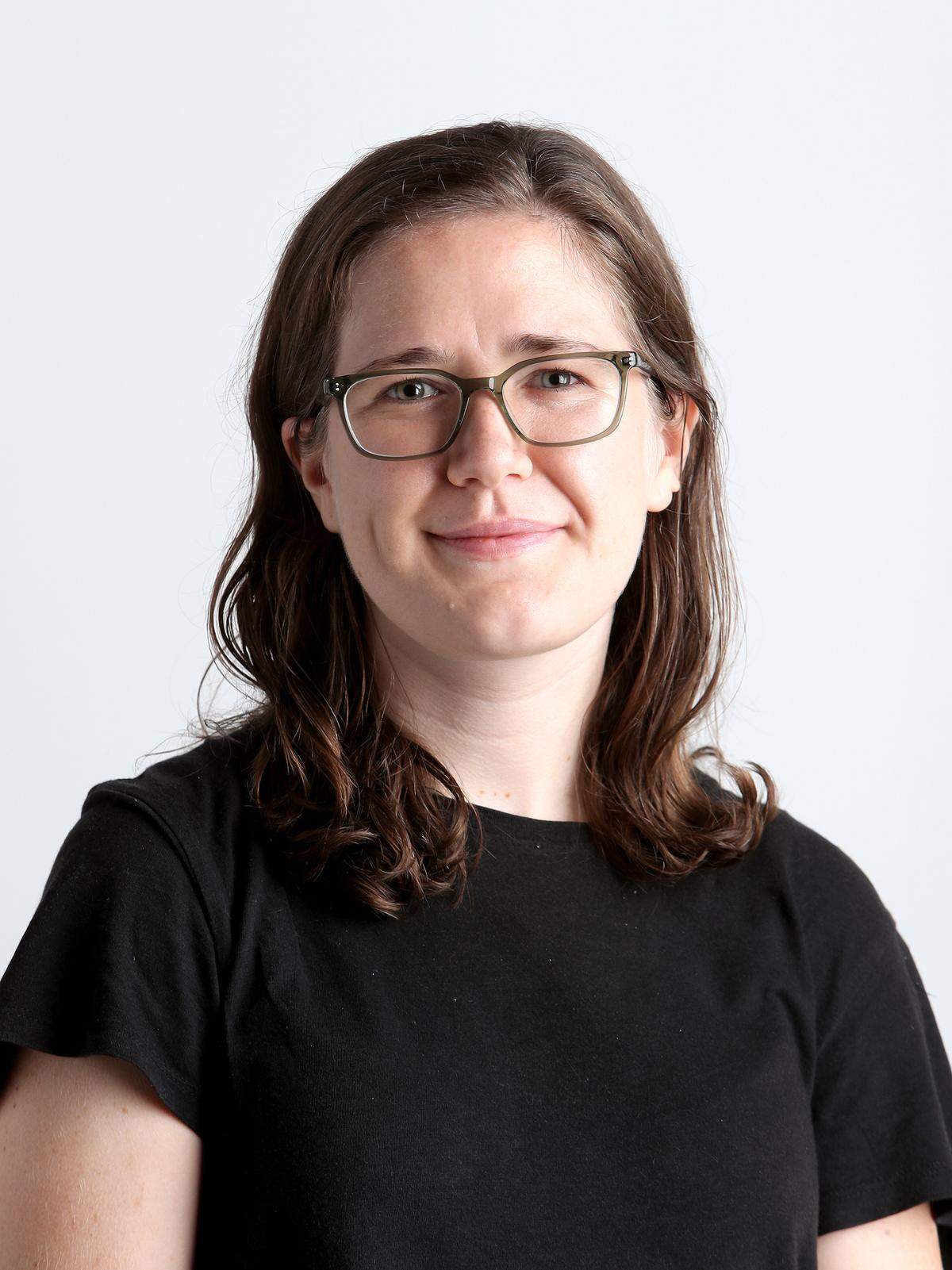
Diagnosis via Zoom, delayed treatment: How COVID changed cancer care for an Arlington mom
Rachel Orth’s one-hour surgery was supposed to be simple.
The mother of three from Arlington was headed to the operating room to remove what her doctors thought was a benign tumor on her ovary in December 2020.
Instead, they removed the tumor and found it was cancerous. Surgeons removed both of her ovaries, and found additional evidence of cancer in her stomach.
Orth’s husband, Daniel, waited alone for his wife’s surgery to finish. Patients were allowed only one visitor to limit the number of people and potential spread of the coronavirus. Rachel’s doctor told him the bad news: Orth’s tumor had been cancerous, and there was evidence of cancer elsewhere in her body.
Shortly after her surgery, Orth’s husband broke the news to her.
“My husband was waiting for me, he was crying. I said, ‘The surgery seemed to go fine,’” Orth remembered. “And he’s like, ‘It did go fine. It is cancer. And we don’t know what kind or what that means.”
Orth’s entire cancer experience has been defined by the COVID-19 pandemic. The virus has changed her treatment timeline and her risk, upended how she communicated with her doctors and how she navigated the medical system.
Orth, 33, was featured in a report released Wednesday from the American Association for Cancer Research. The report highlighted the major ways that the coronavirus pandemic has affected cancer patients, from their ability to get care to their increased risk for getting seriously ill or dying from COVID-19.
The diagnosis
After surgery, Orth arranged for follow ups with oncologists while she and her husband waited for more concrete news. Because case counts remained so high in December 2020 and through January 2021, all of her appointments were arranged via Zoom.
About a week after the surgery, Orth signed on to a Zoom meeting from her home in Arlington. Her husband tuned in from his office, and her doctors logged on from a hospital. During this virtual meeting, Orth’s doctors told her the initial diagnosis: She had stage 4 gastric cancer.
“We asked what what is that mean?” Orth said. She remembers her doctor telling them, “Stage 4 is considered terminal.”
They expected her to live between a few months and a few years. They encouraged her to get second opinions. After the call ended, Orth’s husband left work and returned home.
“We were in shock, and it was a lot to take in,” she said. “And it was not fun to do that over Zoom.”
Delayed cancer care
In February 2021, as Orth evaluated her treatment options, she was hoping to qualify for a clinical trial at MD Andersen Cancer Center in Houston.
But COVID again would change her plans. First Orth’s husband became infected, and then Orth herself did. Although both had relatively mild cases and did not require hospitalization, the infections delayed Orth’s preliminary appointments by several weeks before she could determine whether she qualified for the clinical trial.
Ultimately, Orth had eight rounds of chemotherapy before beginning a different clinical trial in August 2021, also at MD Anderson.
On Tuesday, Orth left her home in Arlington to make what has now become a routine drive to Houston. Usually, the drive takes about four and a half hours. She makes this trip at least twice every 21 days to participate in the clinical trial.
Sometimes she’ll drive alone and listen to audiobooks. Sometimes, when she goes with her husband, she’ll sing songs from her favorite Broadway musicals. When she makes the trip with her mom, they talk about family.
Orth will continue in the clinical trial for as long as it continues to benefit her, she said. Right now, the disease is stable and hasn’t continue to spread.
In its report, the American Association for Cancer Research highlighted Orth’s experience along with other patients whose diagnoses, treatments, and overall prognoses have altered by the pandemic. The report recommended additional funding for cancer research, and also urged policies that would expand access to health insurance. One step, the report said, would be to expand Medicaid in states like Texas where hundreds of thousands of adults lack health insurance that would help them pay for treatment if they were diagnosed with cancer.
The association also urged additional funding for clinical trials like the one Orth is enrolled in, among other recommendations.
Orth and her family continue to rely on their loved ones and their church community for support and comfort. Beyond that, the future of her treatment, and of how the pandemic might impact that, are unknown.
“Before I lost my hair, you wouldn’t have known that I was sick,” Orth said. “And so that’s one thing I’ve asked my friends who are not mask wearers, is when you’re around people, you don’t know what they’re dealing with. I was at high risk before it was visible. The at risk community is more than just, you know, the old person down the street.”
This story was originally published February 9, 2022 at 5:30 AM.