Afghan refugee builds friendships in Fort Worth, finds purpose in helping others
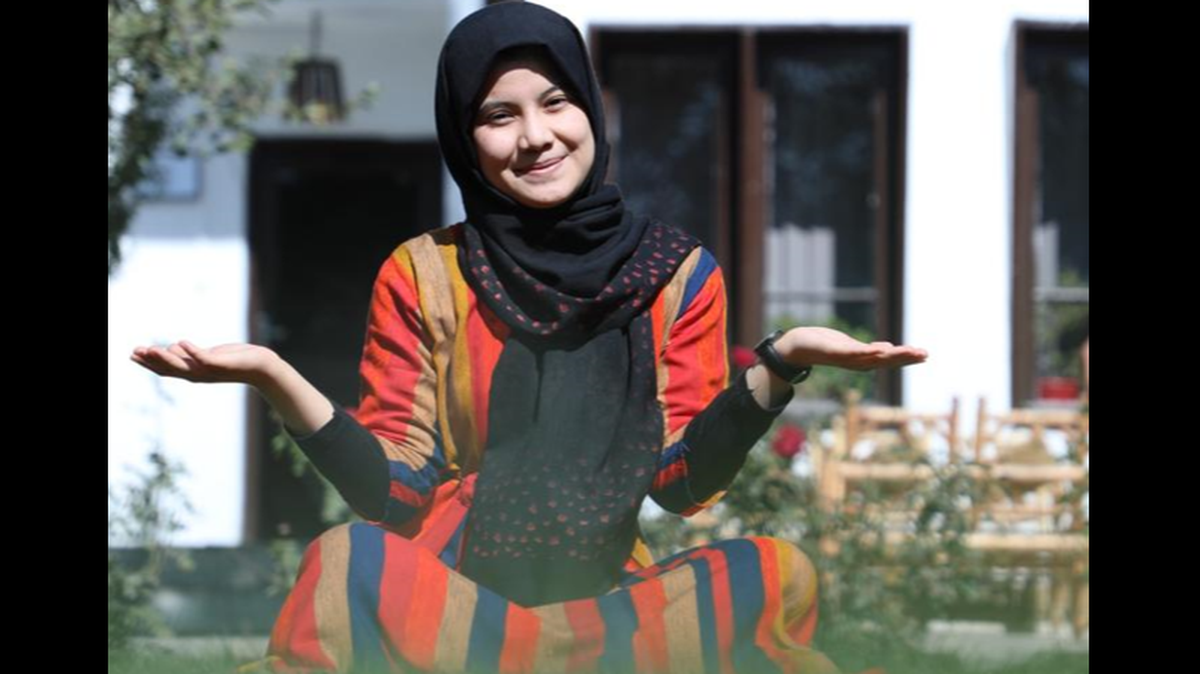
Hadia Ahmadi arrived in Fort Worth on March 9, 2023, with just two suitcases and the clothes on her back. Now the 24-year-old Afghan national marvels at how far she’s come.
“It really worked out for me,” she said over iced coffee at a local Starbucks. “But it was my friends here who made it possible.”
When the United States armed forces withdrew from Afghanistan in August 2021, life turned upside down in the country. Nearly 200,000 Afghans have sought safety in the U.S. since the Taliban returned to power. More than 1,000 of the new arrivals call Fort Worth home.
Many of these men and women risked their lives to help the U.S. military during its 20-year mission in Afghanistan. Others, like Ahmadi, came for education or other opportunities that have closed to them under the Taliban.
Ahmadi says she never expected to come to the U.S. She still dreams about her family sometimes. Then she wakes up and remembers she’s in Texas — eight time zones and nearly 7,000 miles away from her mother and sisters.
“I was always dreaming about my future in Afghanistan,” she said, “and doing something to help my people.”
An unexpected journey
Ahmadi was born in 2001, the year the Taliban was toppled from power. She fondly remembers large family gatherings and growing up in the capital city of Kabul as the youngest of six girls.
But violence became increasingly common as the Taliban tried to regain control. Once, gunmen stormed a government building close to Ahmadi’s school. Another time a bomb went off so close she could feel the windows rattle.
In 2018, an Islamic State group affiliated suicide bomber entered a classroom at an education center in Kabul where more than 100 students were preparing for university entrance exams. Dozens of young people, including some of Ahmadi’s friends, were killed in the blast. Ahmadi spiraled into depression after learning about the attack.
“It really changed my mind,” she said of her plans to enter public university.
Months later, she decided to apply to the American University of Afghanistan, a private institution with a high level of security. She scored so well on the entrance exams that she earned a full scholarship.
Ahmadi’s father died in 2020, the same year she started classes at AUAF and the same year the U.S. signed an agreement with the Taliban to withdraw from the country. Ahmadi’s mother decided it was time to leave. In March 2021, five months before the Taliban retook control, the family fled to Turkey.
In spite of initial promises to honor the rights of women, the Taliban government has banned them from attending secondary schools and universities. Afghanistan is currently the only country in the world with this restriction. Women are also not allowed to use gyms, visit parks, participate in sports, or travel more than 45 miles without a close male relative along to act as chaperone. Nearly all jobs are off limits to them.
“I was so fortunate we could get out of the country before they came,” Ahmadi said.
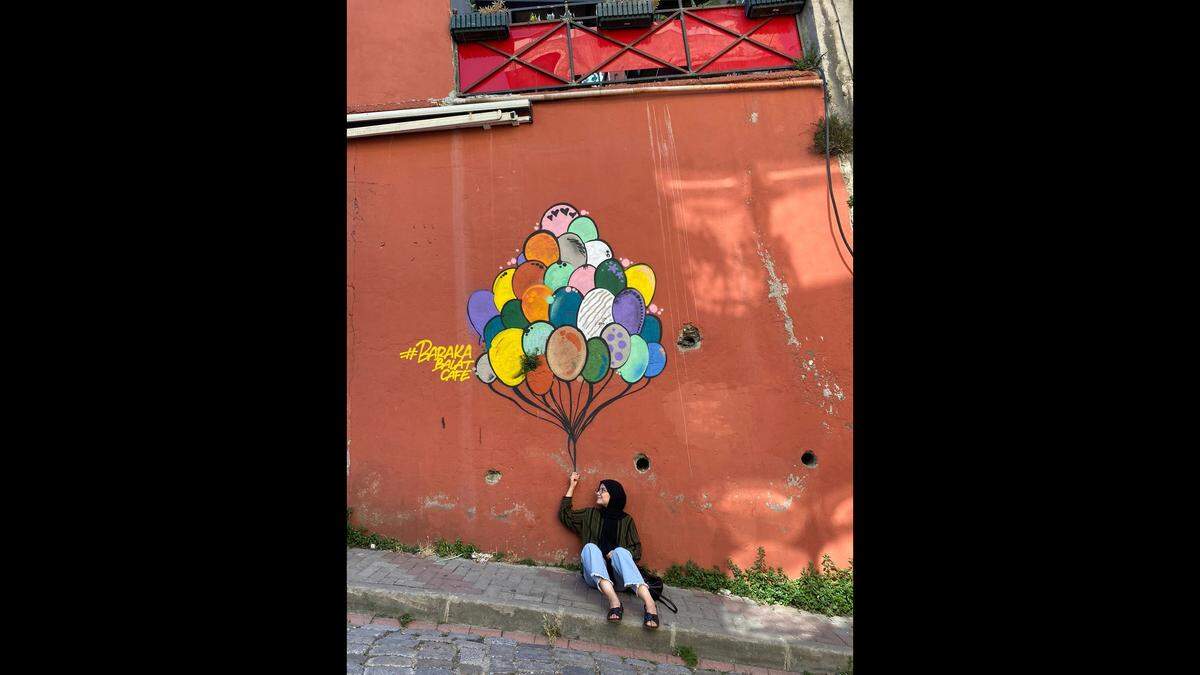
She helped support her family in Turkey by working first at a plastic factory, then at a factory that produced paper products. She also participated in “Another Summer,” a documentary that chronicles the stories of Afghan and Ukrainian refugees in exile.
In the meantime, the AUAF relocated to Qatar and started moving students to countries where they could study in person or online.
Ahmadi was initially given the opportunity to study at the American University of Iraq in Sulaimani, but declined after her mother expressed concern that it wouldn’t be safe there. A short time later, she was surprised to learn she would be resettled in the United States. Two years after leaving Afghanistan, Ahmadi landed at Dallas-Fort Worth International Airport.
A new life
Ahmadi keeps a mental list of those who’ve helped her acclimate to life in the U.S. She still remembers the Catholic Charities caseworker who welcomed her at the airport, bought her groceries and taught her to drive. He and two other employees from the agency surprised Ahmadi with cake and gifts on her first birthday in Fort Worth.
Then there’s the coworker from Ahmadi’s first job at World Relief who offered to be her second mom and invites her over for the holidays. A colleague at her current job taught Ahmadi how to make oatmeal and helped her find an apartment closer to her work.
“Life is not easy, but when you have such good people around, it makes it easier,” Ahmadi said.
In addition to her full-time job and online studies through AUAF — she plans to graduate with a bachelor’s degree in business administration next year — Ahmadi does her own share of supporting others. John Stettler, known as “Uncle John” in the Afghan community, has been assisting the refugees for years. He said Ahmadi’s command of the English language and ability to drive have made her a big asset, especially among the women.
“Women are always more comfortable, if they’ve got an issue, being able to talk to another woman,” Stettler said. “And so that’s been really great.”
Adjusting to an unfamiliar culture takes time. The newcomers need practical assistance, like help with transportation and finding work.
“It’s not easy for someone who’s not familiar with the system,” Ahmadi said.
She’s been able to serve as an interpreter for some of the Afghans, as well as help them apply for jobs. One woman would save all her mail so Ahmadi could look through it and make sure there was nothing important.
Ahmadi said she likes to instruct, not just do things for people. That way, those she’s working with become self-sufficient. A single mom with two young sons needed rides to the grocery store. Ahmadi took her in the beginning, then taught her how to drive. The mom still wanted Ahmadi to go with her for a while, but now she feels comfortable going alone.
“There are a lot of calls I get, a lot of pleas for help,” Stettler said. “I’m able to help, you know, as many as I can, but it is nice when you see ... those that I work with reach out and help others.”
Ahmadi said assisting her fellow Afghans gives her “good energy.”
“I feel like if I can do something to (help) others, why should I not do that?” she said.