
Texas might lift occupancy limits on homes. Could that exacerbate ‘stealth dorm’ issues?
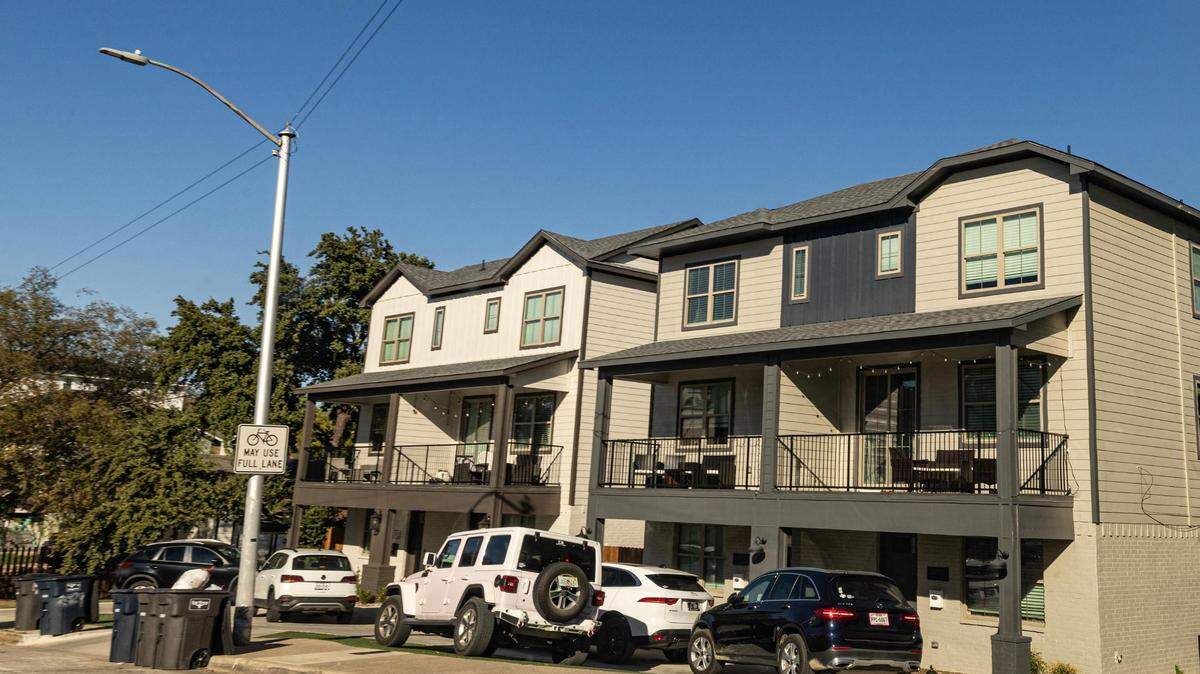
A bipartisan bill in the Texas Senate that would eliminate occupancy restrictions for residential dwellings could have implications for those living near TCU.
Senate Bill 1567, co-sponsored by Republican Paul Bettencourt of Houston and Democrat Sarah Eckhardt of Austin, was introduced in February and sits in committee pending further action. If passed, the bill would make it illegal for any municipality to adopt or enforce zoning rules that limit the number of occupants living in a single- or multi-family home or apartment.
The bill would not, however, prevent cities from limiting occupancy based on health and safety standards, nor would it keep home owners’ associations from enforcing occupancy limits.
The bill was put forth following complaints from Texas A&M students after the city of College Station cracked down on occupancy violations. According to a law in place since 1939 in College Station, no more than four unrelated people may live together in a single-family unit.
A spokesperson in Bettencourt’s office said that has created problems for A&M students jockeying for affordable housing. The university is the largest in Texas, with an enrollment approaching 73,000 at its College Station campus.
In Fort Worth’s TCU residential overlay district, no more than three unrelated people can legally occupy a single dwelling unit, with the exception of units registered by owners for “nonconforming use.”
David Schwarte with the TX Neighborhood Coalition, who spoke in favor of a ruling last year banning short-term rentals in Fort Worth neighborhoods, said SB 1567 could create a nightmare scenario for homeowners near TCU.
“If 1567 ever passed into law, it would literally strip the word ‘family’ from single-family neighborhoods,” said Schwarte. “If caps were taken away, especially in a place like the TCU area, what you’ll find is private boarding houses, private dorms and frat houses right next to single-family zoned houses. That is not what homeowners were expecting when they bought their single-family homes.”
TCU-area residents have fought a long battle against private dorms, or stealth dorms — single-family homes rented out to multiple students. Plans are underway to create more student housing at TCU, which could ease some of the strain on neighborhoods around the university.
Schwarte, a retired attorney who lives in Arlington, has traveled twice to Austin in recent weeks to testify against SB 1567 and other bills the TX Neighborhood Coalition believes will harm residential neighborhoods.
While Schwarte sympathizes to a certain extent with the A&M students who first raised the issue, he said College Station has been addressing its student housing shortage, and he feels a statewide restriction on occupancy limits is overkill.
“In a case where you might need a surgical approach, this is carpet bombing,” Schwarte said. “The supposed cure will be worse than the current problem.”
The solution, Schwarte believes, is addressing the issue of investor ownership of residential real estate in Texas. Gov. Greg Abbott has taken up this cause, pressing the state Legislature to limit how much residential property commercial leasing firms can own. According to a Texas Tribune story last year, 52% of the homes sold in Tarrant County in 2021 were to investors. This, some say, has driving up rent prices.
Another bill that’s problematic in Schwarte’s view is House Bill 878, introduced by Cody Vasut, R-Angleton.
That law would make it illegal for larger cities to require that residential lots be larger than 2,500 square feet, and it would limit other rules in place to create buffers between homes. This would apply only to municipalities with a population of 85,000 or more in counties with a population of at least 1 million. Schwarte’s fear is that you’ll see investors buying 5,000-square-foot plots and cramming two houses in there, or that people will break their properties up and add accessory dwelling units.
If this were to happen, it would have Fort Worthians living “cheek to jowl,” as Schwarte put it, like you see in places such as New York or Chicago. Couple that with SB 1567, and you can potentially add college parties and loud music to the equation, essentially killing the sanctity of the traditional single-family neighborhood, opponents fear.
Correction: An earlier version of this story failed to mention the exceptions to SB 1567.
This story was originally published March 21, 2025 at 5:50 AM.