
It’s migration season. The Fort Worth Audubon Society has tips for spotting birds in North Texas
Have you ever sat on your Fort Worth porch, noticed the hundreds of avian species that grace the sky, and wondered - “What is that bird?”
A study done by KÜHL, an outdoor clothing brand, says that Texas beats out California as the best state for bird-watching. The study (which used data from the Cornell Lab of Ornithology, Colorado State University, the University of Massachusetts Amherst, global bird database Avibase, the U.S. Fish & Wildlife Service and the National Park Service website) says this is because of Texas’ overall bird presence, which considers the total number of migratory birds and common, rare and endangered bird species.
“Texas is the go-to bird-watching destination in the U.S. with over 2.3 billion birds recorded in fall and spring migrations,” according to the study. “With 668 bird species, including 35 globally threatened ones, the state offers unparalleled biodiversity.”
Migrating season for birds is happening right now, according to the Texas Parks and Wildlife Department. Starting in late February until late May, several species of North American birds use the Central Flyway from Mexico to Alaska and Canada for food and mating. Later in the fall from August to November, the birds migrate back down south.
Because of this, spring is the best time for bird watching in Texas.
The Star-Telegram spoke to Jim Jones, the education chair for the Fort Worth Audubon Society. He told us all the essential information about birding supplies, which bird species to look out for in Fort Worth and where to go bird-watching in North Texas.
What tools do I need for birding?
There are only three things you need to go bird watching.
Jones suggests a pair of binoculars, a field guide and an app.
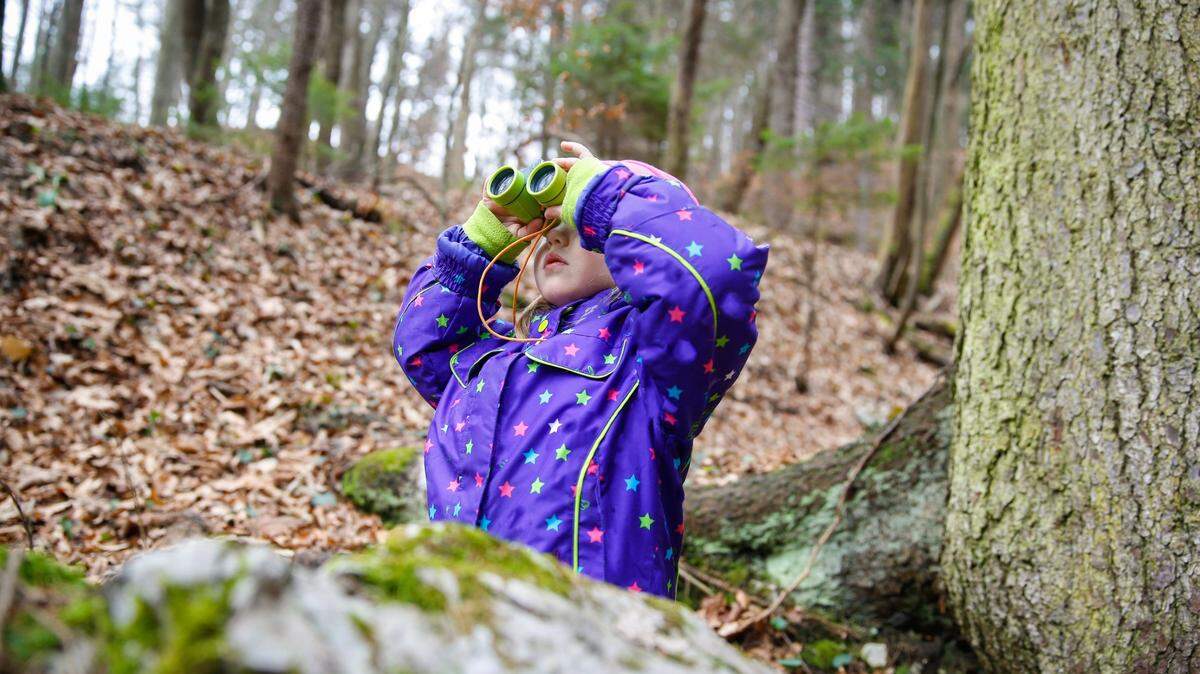
Binoculars: If you start to get really into bird watching, binoculars are the only way you can see hiding birds or identify characteristics to distinguish one species from another.
Field Guide: Jones suggests the “Birds of North America” field guide. .
“So those are the two major things you need when you are going bird watching or getting into backyard birding,” Jones said. “People who do try to get into backyard birding, that’s all they would really need is a bird book and a pair of binoculars.”
But if you want to catalog your bird photos and map out where you saw each bird, check out:
The Merlin Bird ID App: Merlin is an app from the Cornell Lab of Ornithology at Cornell University. The app also allows you to record and identify bird calls, and if you are close enough, take pictures of a bird for it to identify. It will also tell you facts to help you find the birds in the future.
What birds you may see while birding in North Texas
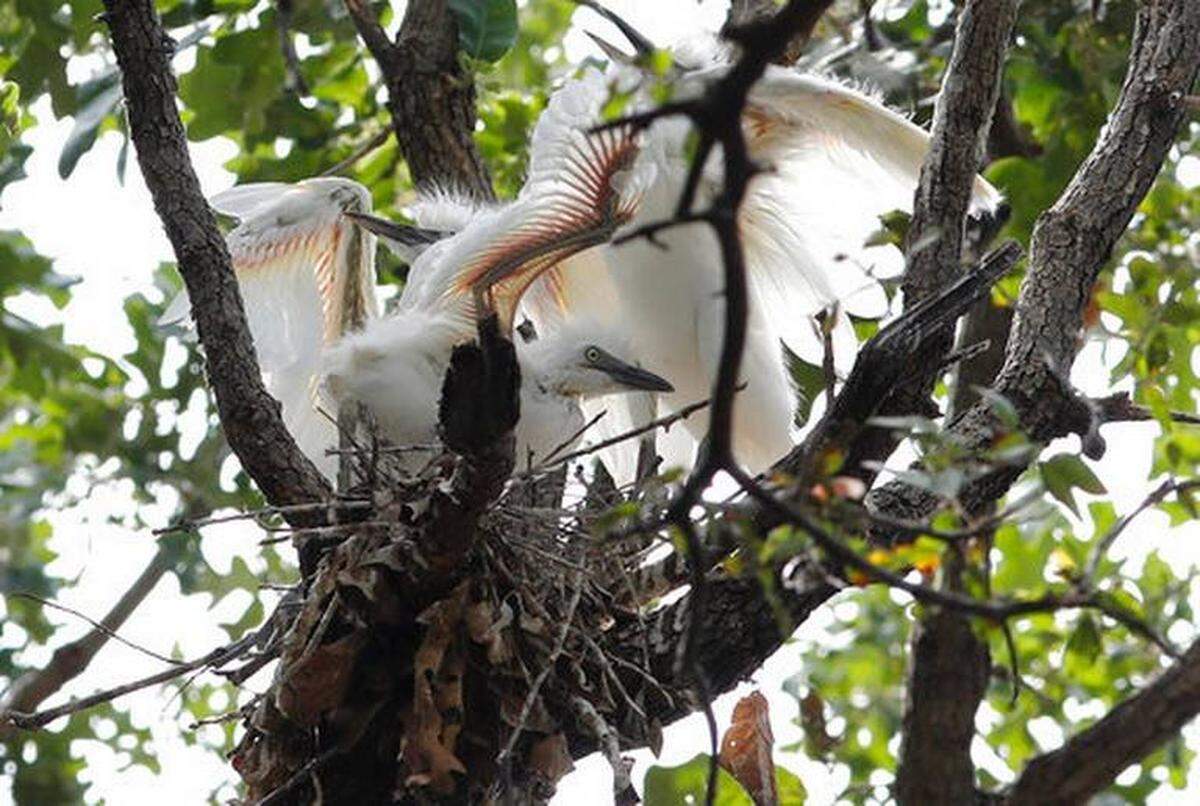
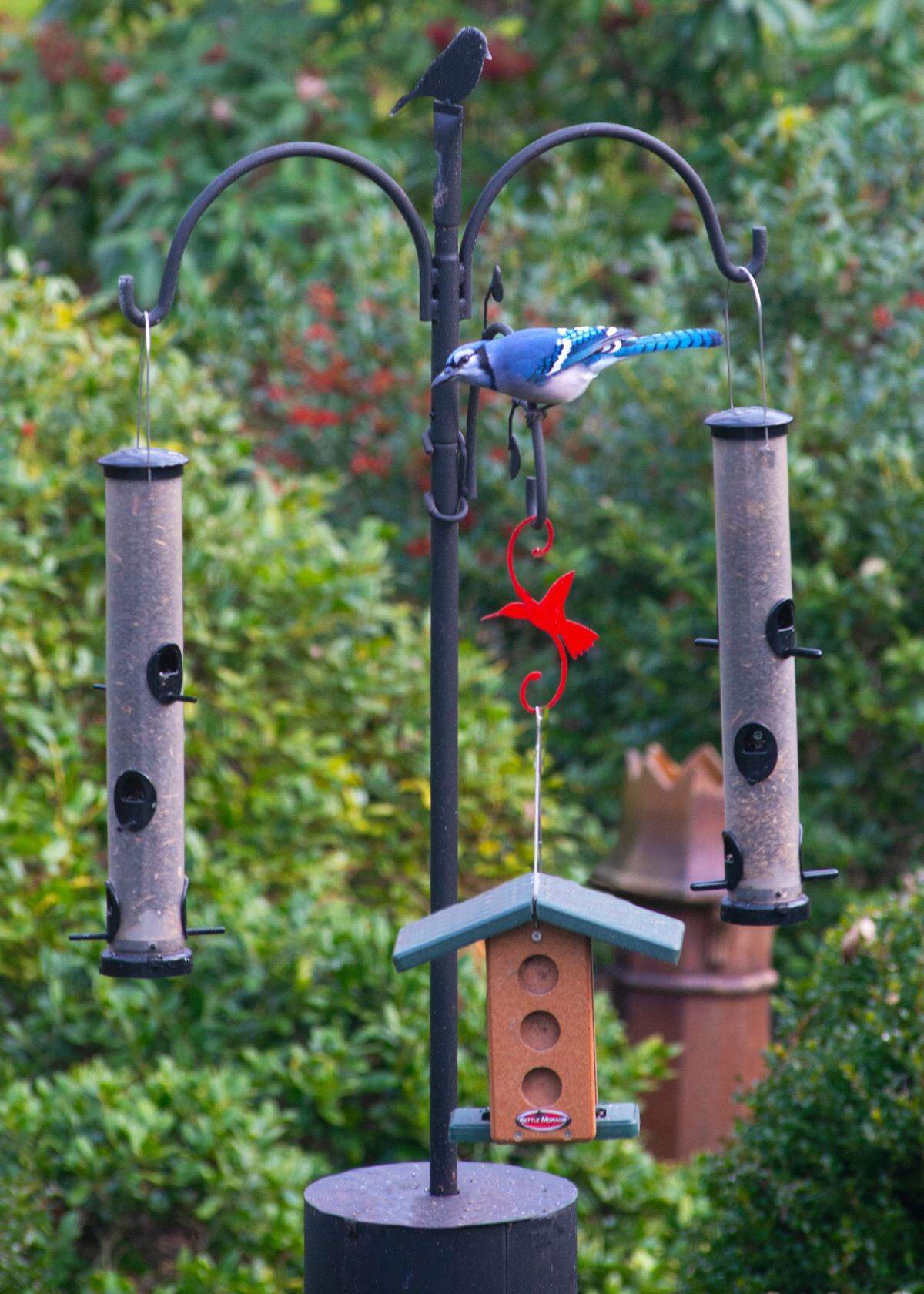
North Texas has hundreds of bird species to identify.
The Fort Worth Audubon Society has a seasonal checklist of common and rare bird species to spot, complete with data on which months the birds have been seen.
“You know when you’re getting a little bit more serious about birding, or any wildlife viewing, you’re going to actually start to see the differences in characteristics between species of animals and between species of birds,” Jones said.
Depending on the kind of bird you want to see (sparrows on land or ducks in water), you will need to visit different habitats.
Where to go birding in North Texas
Jones suggested a few of his favorite places to go birding:
Fort Worth Nature Center marsh: 9601 Fossil Ridge Road, Fort Worth (a great place to see waterfowl)
Village Creek Drying Beds: Green Oaks Blvd., Arlington
Hagerman National Wildlife Refuge: 6465 Refuge Road, Sherman
If you are looking to stay within Fort Worth, the FWAS put together a Google hotspots map that shows parks and reservoirs that are good for birding.
The FWAS also meets weekly for birding watch parties.