Fort Worth endorses affordable apartment developments across the city
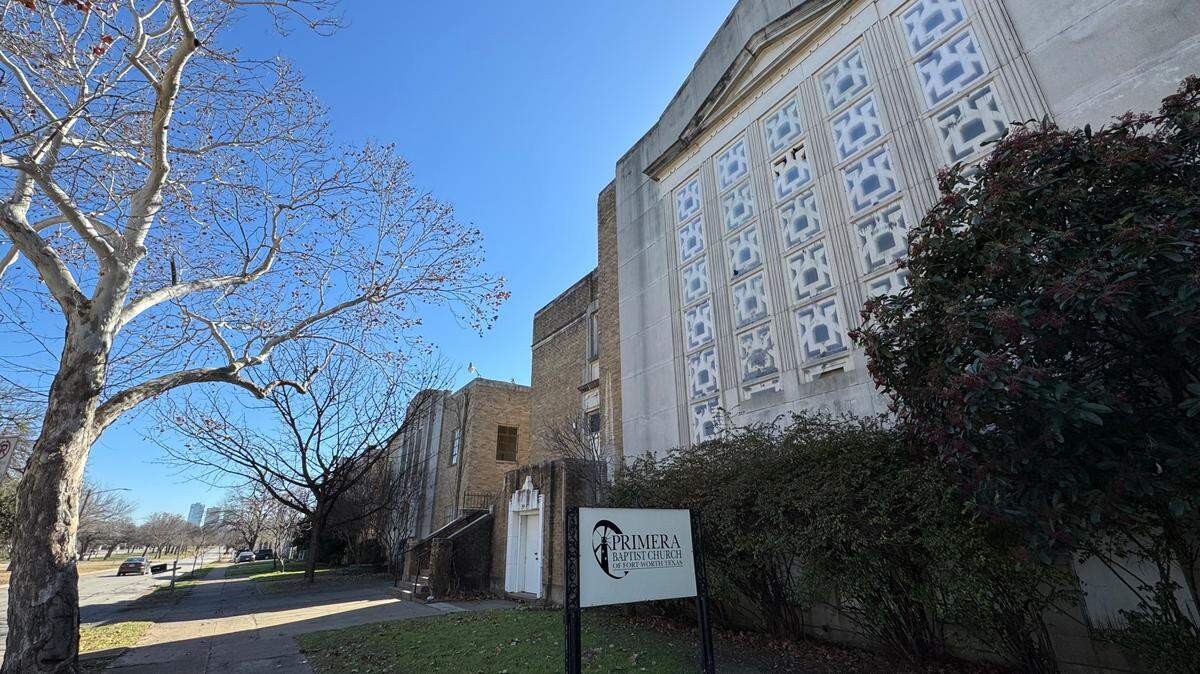
Fort Worth city leaders Feb. 25 endorsed plans for four affordable housing developments across the city.
The stamps of approval bolster the developers’ applications for coveted housing tax credits, federal tax write-offs designed to give landowners more financial leeway to offer discounted units to low-income tenants. Should the projects receive the tax credits, Fort Worth will waive up to $30,000 in development fees to help get the ventures off the ground.
Despite the vote and the city’s broader pledges to expand affordable housing options, signs of reluctance surfaced during discussions to nudge forward projects that would, ostensibly, advance that goal. Some city leaders who voted to support the tax credit applications signaled in spoken comments that they could (or would) take different stances as the cases wound through the rezoning process. The council also voted at the last minute to scrap a resolution of support for a contested apartment complex in the north side.
Stalled projects
Irma Park: Toward the tail end of Tueday morning’s council meeting, District 2 council member Carlos Flores proposed discarding a planned tax credit endorsement for Irma Park, a proposed apartment complex along Circle Park Boulevard.
O-SDA Industries, an Austin developer with dozens of apartment projects across the state, wants to rework the offices and prayer rooms of a historic Baptist church into a roughly 82-unit development.
“This is your chance to support an affordable housing project that is able to keep part of the fabric of the community still there,” Megan Lasch, the owner and president of O-SDA Industries, told council members Tuesday.
“Any resolution other than support would dock our development by three points and would make it virtually impossible to move forward,” she said later, referencing the scoring system the Texas Department of Housing and Community Affairs uses to evaluate tax credit applications.
The 2.6-acre property, a site of worship since the early 20th century, is nestled in north side’s residential core, a short walk from Marine Park and the neighborhood public library. At least 10% of the new complex’s units would be set aside for those making at most 30% of the area median income.
The proposal prompted weeks of sometimes contentious debate in north side neighborhood meetings and online forums.
Proponents argued the project would make good use of a deteriorating building; an apartment complex preserved the landmark structure, generated few adverse impacts for the surrounding neighborhood, and put more affordable rental units on the market. Primera Baptist Church, the congregation currently occupying the church, backed the plan.
“We don’t want to bring anything in that would be negative for the community,” Primera’s lead pastor and north side resident, Rafael Berlanga, said at a community meeting the day before the vote. “And of all the offers that we received, we see that this offer, this project, is going to benefit the neighborhood.”
Some skeptics feared the apartment development, and the low-income tenants it catered to, would invite crime, traffic and disruption to the block.
O-SDA organized at least four meetings since January to pitch Irma Park to north side homeowners and community leaders, according to fliers and meeting videos shared online. The Feb. 24 meeting, one of two hosted by the Northside Neighborhood Association, lasted almost two hours and garnered almost 1,000 views on Facebook. The firm invited north side residents to tour Cielo Place, another church-turned-apartment complex developed by the firm in Riverside. Flores decided this engagement wasn’t enough.
“First, before I give my motion, I want to state for the record that the developer’s outreach was insufficient prior to the application date,” Flores said at the council meeting, without further elaboration. Only Mayor Mattie Parker and council members Chris Nettles and Elizabeth Beck voted against Flores’ proposal to refuse support for Irma Park.
Endorsed projects
Avenue at Lancaster: Brompton Development LLC, a Texas-based company with multi-family properties across the state, wants to build an 81-unit mixed-income apartment complex at 5733 Craig St., just off Lancaster Avenue, the project’s namesake. The project will cater to those 55 years and older, and at least 10% of the building’s units will be set aside for those making at most 30% of the area median income, according to the city.
Brompton is applying for a 9% housing tax credit (instead of the less competitive 4% alternative). The vacant site is within sight of a chicken shop, an auto repair store and single-family homes. The company will also need city council’s blessing to rezone the property from two-family to high-density multi-family use.
HiLine at Everman: The mixed-income project promises roughly 84 rental units on a now empty tract of land just off the intersection of West Everman Parkway and Crowley Road. The developer, Dallas-based Generation Housing Partners LLC, is also seeking a 9% tax credit and, like Brompton, promises to reserve at least 10% of the building’s residences for folks earning at or below 30% of the area median income.
The property, encased by a gas station, a Family Dollar, a storage facility and a subdivision, will need to be rezoned. An older iteration of the proposal, tabled at a Feb. 11 city council meeting, pegged the building’s approximate unit count at 110.
HiLine at Risinger: Generation Housing Partners is seeking a 9% tax credit for another 110-unit building under the HiLine brand about three miles southwest, at the northwest corner of Risinger Road and McCart Avenue. The project, a five minute stroll from Crowley Middle School, will target seniors, setting aside at least 10% of its apartments for tenants making at most 30% of the area median income. The property, sharing fencelines with a subdivision and a Baptist church, also needs to be rezoned.
The property falls within the jurisdictional boundaries of outgoing District 6 council member Jared Williams. Williams voted to support the development’s tax credit application, but stated he would be the “loudest voice against” the project once it arrives at the city’s zoning commission.
“While supporting affordable housing for rent is needed and it makes our hearts feel warmed, it’s not enough,” Williams said, pointing to land trusts as more sustainable and transformative solutions. Shortly after stressing the need to dedicate more city land to affordable housing projects, he explained how, in his view, the property in question needed to be preserved as commercial land (its existing zoning designation).
Pioneer Crossing: Target Builders LLC, a developer with little public online presence, hopes to construct an 86-unit senior living center on a vacant tract along Everman Parkway. Target, like its peers, seeks a 9% tax credit and intends to reserve at least 10% of Pioneer Crossing’s units for those making at or below 30% of the area median income.
This story was originally published February 25, 2025 at 4:56 PM.