
Do Texas residents need a Real ID to fly this Thanksgiving holiday? What to know
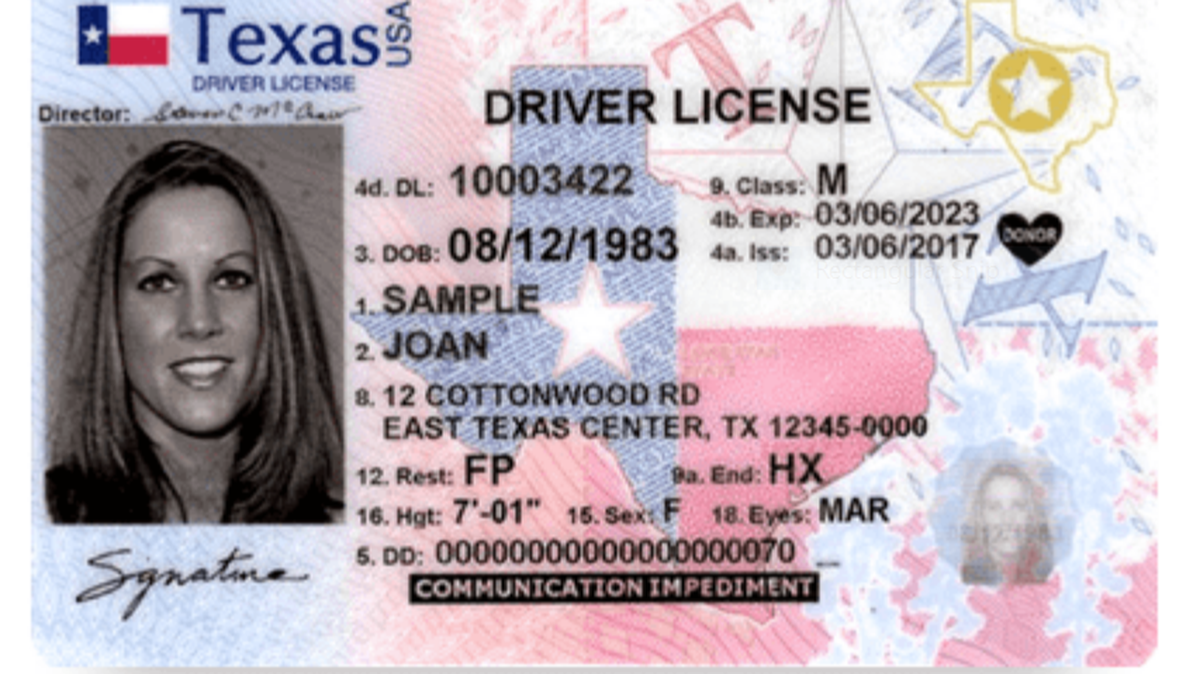
If you’re planning to travel by air this Thanksgiving weekend, you’ve probably wondered whether you must have a REAL ID before boarding a plane.
While the answer is no, you will soon need one to travel domestically.
The Department of Homeland Security has extended the deadline from May 3, 2023, to May 7, 2025, to give residents time to comply with the new law. “DHS continues to work closely with U.S. states, the District of Columbia, and the U.S. territories to meet REAL ID requirements,” said Secretary of Homeland Security Alejandro N. Mayorkas in a press release. “DHS will also use this time to implement innovations to make the process more efficient and accessible. We will continue to ensure that the American public can travel safely.”
In September, the TSA proposed a rule that would give federal agencies the “flexibility to begin enforcement of the REAL ID regulations on the May 7, 2025, deadline in a manner that takes into account security, operational risk and public impact.”
This rule does not extend the May 7, 2025 deadline but instead is intended to allow the TSA to consider a phased enforcement approach to the REAL ID regulation. Under this rule, passengers traveling without a REAL-ID compliant form of identification or another form of approved identification after the deadline could experience long delays at security checkpoints.
What is a Real ID? Why do I need one?
The Real ID is a driver’s license or identification card marked with a gold circle with an inset star in the upper right-hand corner. States and the federal government designed it to combat terrorism, identity theft, and other crimes by strengthening the security of the issuance process.
According to the Texas Department of Public Safety, Congress passed the Real ID Act in 2005 in response to the 9/11 terrorist attacks. The act establishes minimum security standards for state-issued driver’s licenses and identification cards.
Those standards include:
- Requiring proof of identity, date of birth, social security number, lawful status, and primary residence address. Verifying the authenticity of the documents presented for issuance.
- Incorporating additional security features into the card.
- Increasing security and privacy of personal information collected during the issuance process.
Real IDs are compliant in all 50 states, while enhanced IDs serve as an alternative to Canadian passports for entry into the US by land or sea.
Enhanced IDs have privacy protection measures, including an RFID chip with no personally identifiable information stored. Under the Real ID Act, you must have a license or ID card that is compliant to enter federal buildings or fly in the U.S. To get a Real ID you need the following documents:
- An original or certified copy of a Birth Certificate or an unexpired U.S. Passport Book or Card.
- Social Security Card.
- Current Texas Vehicle Registration or Title.
- Current Car Insurance Policy or Car Insurance Statement.
- If your name changed, legal documents showing proof of name change from your birth name