‘It’s like they just vanished’: For families of Fort Worth missing trio, 50 years of anguish
Fifty years after three Fort Worth girls disappeared during a Christmas shopping trip, their families are still looking for answers.
“There’s not a day goes by that we don’t think about it, or something on TV makes us relive that feeling,” said Debra Hopper, a sister of one of the girls.
It was Dec. 23, 1974.
Mary “Rachel” Trlica, 17; Lisa “Renee” Wilson, 14; and Julie Ann Moseley, 9, left together that morning to get some jeans out of layaway and buy Christmas gifts. Family members later found their car — a 1972 Oldsmobile — in the parking lot of Seminary South Shopping Center, which is today La Gran Plaza mall. There was no trace of the girls.
The Fort Worth “missing trio” is the city’s oldest unsolved case of its kind. Multiple police detectives have investigated the disappearance without results. For a time, an entire task force was dedicated to the case.
Although Fort Worth police continue to receive theories about what happened to the three girls, it’s the lack of real evidence that’s hurting the case the most, said police spokesperson Buddy Calzada.
“One of the things that our detectives look at, specifically the cold-case detective, is to see if this is actually a true lead, or if somebody is, for lack of a better word, just pulling their chain, you know, just to see what it’ll do to the case,” Calzada said.
“And that’s not what we need, and that’s definitely not what the family needs,” he said.
The surviving parents and siblings of the girls know at this point, the chances are slim that they’ll ever learn what really happened. But as they prepare to spend another Christmas without answers, they still cling to hope that someone, somewhere, knows the truth.
‘A frustrating life’
Terry Moseley was 15 when the girls vanished.
Julie was his little sister, and Renee was his girlfriend — he had given Renee a promise ring that morning before the girls set out to the mall.
Over the years, he tried to give his own two kids a normal Christmas when they were growing up, but he “hated every minute of it.” The memories are too painful.
“I just don’t enjoy the holidays,” he said. “It’s been that way for 50 years now.”
The Moseleys lived across the street from Renee’s grandparents, and they had known each other since they were children. Renee was his first girlfriend.
Terry remembers that Renee wanted him to go along on the Christmas shopping trip. But he’d already made plans to visit a friend who was going into the hospital that day, so he declined.
Renee and Rachel also invited Terry’s sister Janet. She was too busy, but his youngest sister — 9-year-old Julie — insisted on going with the older girls.
“Renee and Rachel told Julie, ‘If you can get your mom to say yeah ... we’ll let you go,’” Terry said. “My mom never said ‘yeah’ for nothing. But that day, Julie begged and begged and begged and begged, and my mom said yes. So she jumped in the car.”
The time the girls left for their shopping expedition has always been disputed, according to Terry. Renee’s grandmother told police the girls left her house around 11:45 a.m., according to one of the first Star-Telegram stories about the disappearance. Terry said he remembers them leaving between 10:30 and 10:45 a.m. Renee promised him they would be back by 2 p.m.
That time came and went.
Terry said he walked across the street to wait at Renee’s grandmother’s house. Renee’s mother, Judy Wilson, came by to pick up her daughter, but there was still no sign of the trio.
“Around 3 p.m., we were all mad,” Terry said. “You know, ‘Where are these girls? What are they doing?’ But by 4 p.m., Judy was starting to get really worried.”
Renee’s father, Richard Wilson, and a neighbor found the girls’ car in the shopping center parking lot around 6 p.m.
“By then we knew something was wrong,” Terry said.
In the days that followed, people would call the Moseley home pretending to be Julie. Rayanne Moseley was sure it was her daughter, but Terry said she was just grasping at straws. Once a girl called and said she was Renee, but Terry realized she was an impostor.
A February 1975 Star-Telegram story tells of a 14-year-old North Richland Hills girl who was caught placing a prank call to Renee’s parents. She told police she’d called the home three times but didn’t say anything. She also admitted calling Terry and pretending to be Renee. The teen was given a good scolding by a juvenile officer and sent home with her parents.
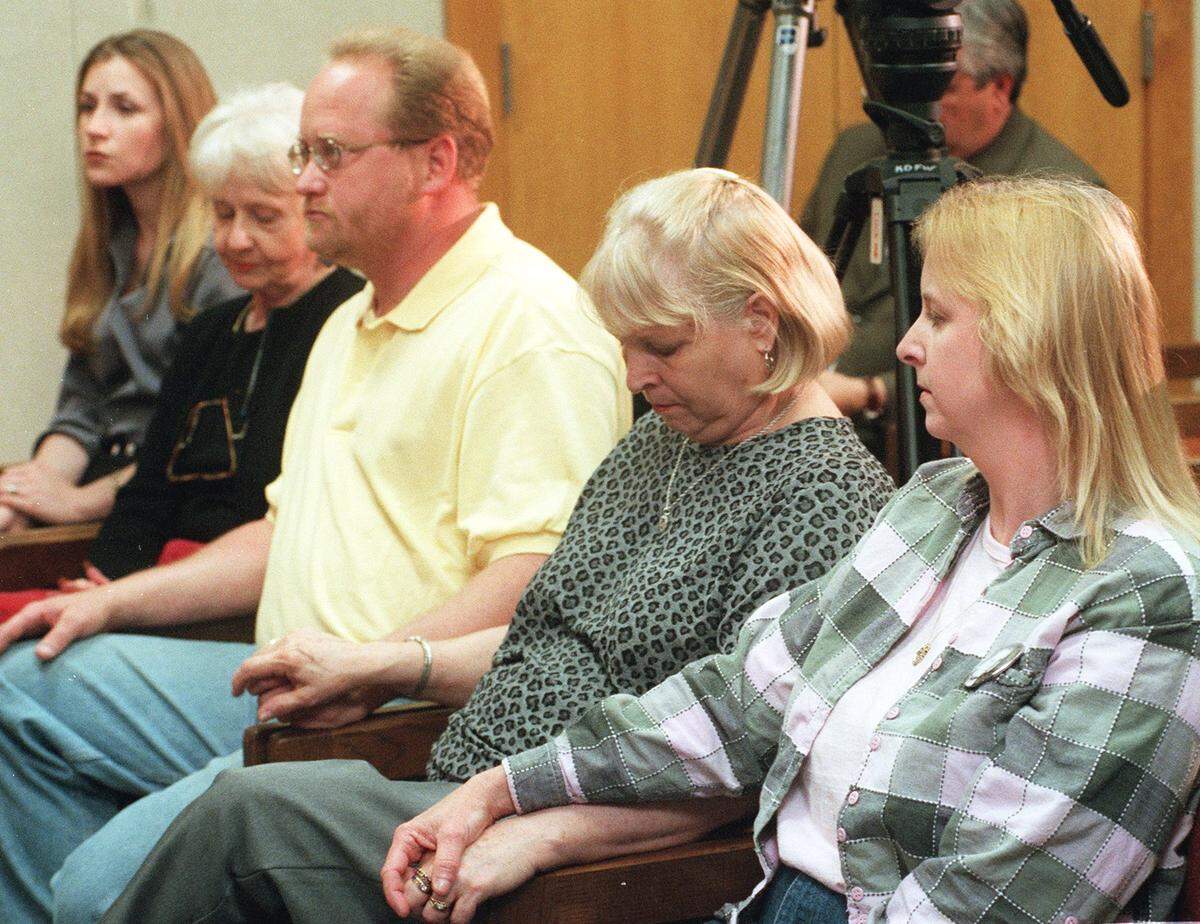
According to Terry, his mother “lost it” after Julie’s disappearance. It got to the point where she would scream when the phone would ring, certain it was bad news.
“Never was any news,” Terry said. “We never got any news, good or bad.”
.JPG "HI_J1746(4).JPG")
And that’s how it’s been for 50 years. The Fort Worth Police Department has around 1,000 cold cases that are still unsolved, and Terry believes things are at a standstill with the missing trio.
The only way forward he sees is for someone to confess to the crime and prove that they did it.
“It’s been a frustrating life,” Terry said. “All this has happened, and nothing’s ever come of it. Nothing’s ever gotten better or resolved.”
The letter
Monday, Dec. 23, 1974, dawned warm and cloudy in Fort Worth.
Rachel Trlica woke up her older sister, Debra, around 9:30 or 10 to go shopping with her. The sisters had played Canasta until 3 a.m., and Debra wasn’t about to get out of bed.
It was Rachel’s first Christmas since marrying Tommy Trlica, and the couple was preparing for Tommy’s 2-year-old son to spend Christmas Eve with them. Debra was staying with Rachel for a couple of weeks after a falling out with her boyfriend.
Rachel didn’t want to go shopping alone. Her mother couldn’t go either, so the 17-year-old invited her friend Renee.
Hours later, Renee’s mother called to ask if Debra had heard anything from the girls. When Debra said no, Judy Wilson instructed her to stay by the phone in case they called. They never did.
“There was so much coming at me from so many directions,” said Debra, whose last name is now Hopper. “It was like being in the Twilight Zone.”
Debra was still at the Trlica home the following morning. Rachel’s husband went outside to check the mail, and when he came back, Debra said she saw him reading something with a surprised look on his face.
“He handed that (letter) to me, and I read it, and I was like, ‘This makes no sense,’” Debra said.
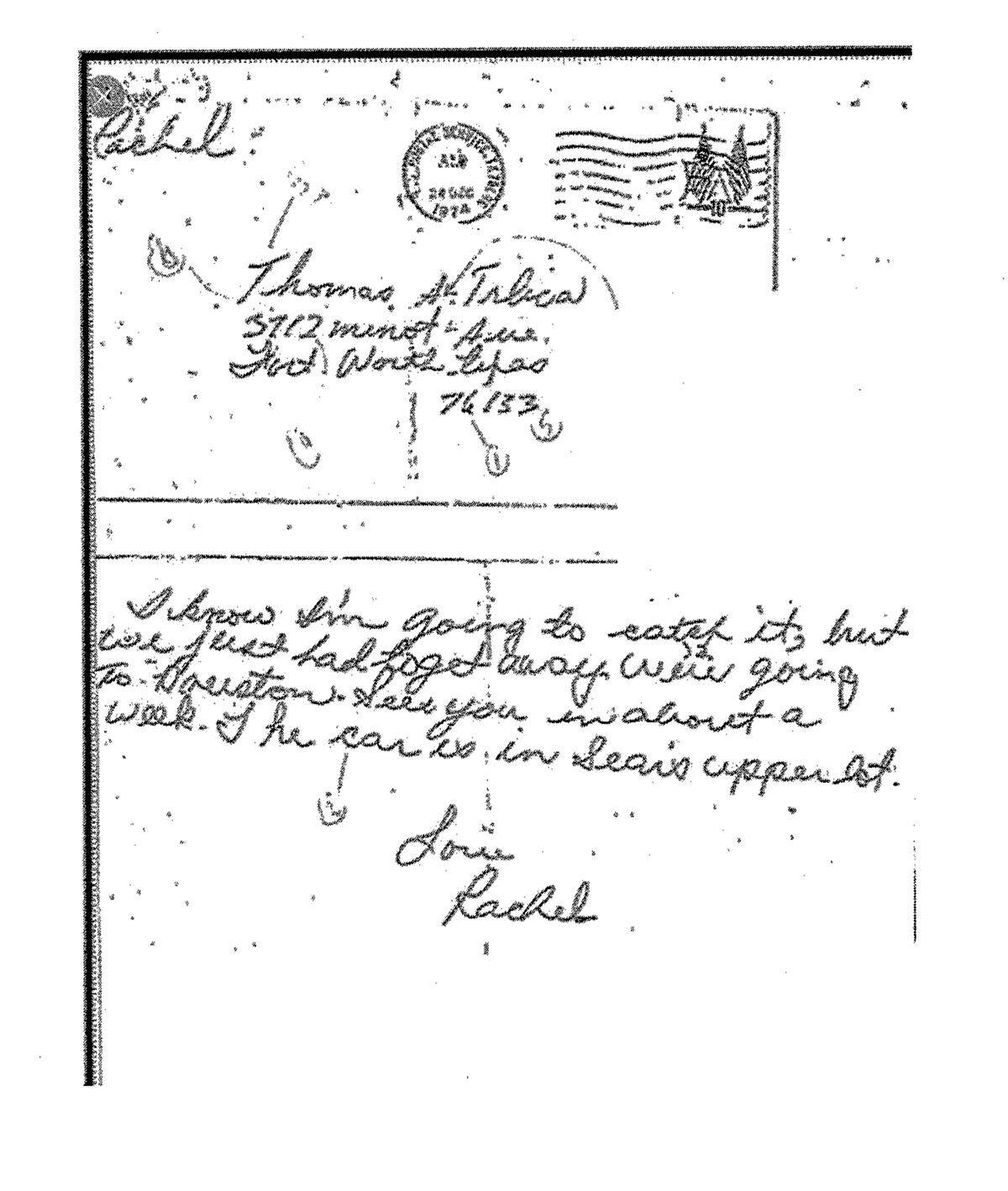
The letter, which was handwritten in ink, reads: “I know I’m going to catch it, but we just had to get away. We’re going to Houston. See you in about a week. The car is in Sear’s upper lot. Love, Rachel.”
The envelope was addressed in pencil. Police initially believed the handwriting in the letter was Rachel’s. They didn’t know if she’d been forced to write it. The writing on the envelope didn’t match that of any of the missing girls, they said.
The families immediately raised questions about the authenticity of the letter. They doubted the three girls had run away, and Rachel’s name was originally misspelled as “Rachee.” The mistake was still obvious, even though the second “e” had been gone over with an “l.”
“In the back of our minds, we wanted to believe they ran away, but the logic part of us, we know they didn’t,” Debra said.
When the week mentioned in the letter passed and there was still no sign of the girls, Judy Wilson was sure something had happened to her daughter, Renee.
The Wilsons had searched frantically, Judy Wilson told the Star-Telegram on Dec. 30, 1974, “but we just don’t know where to look.”
Police sent the letter to FBI handwriting experts three times in an effort to determine if Rachel wrote it. Each time the results were inconclusive, said investigator George Hudson in 1978.
A copy of the letter was sent to a handwriting expert in 2017, but the results didn’t yield information that the district attorney’s office believed they could use, according to Rachel’s family. Terry Moseley understands the letter was also examined by the Texas Rangers, but nothing came of that analysis, either.
“That letter has never helped us in any way,” Terry said.
In 2022, the Moseley family and Richard Wilson, who died later that year, signed a letter requesting that the envelope and stamp be sent to Othram Inc. Othram specializes in forensic DNA technology, and in 2020 the lab uncovered DNA evidence that solved Fort Worth teen Carla Walker’s 1974 murder.
As far as Terry knows, the envelope and stamp were never sent to the lab.
The parking lot
Fort Worth police initially investigated the disappearance as a routine missing persons case, saying they had no reason to suspect foul play. Detectives visited bus stations and talked to people who said they may have seen the girls.
According to the families, police believed the girls had just run away, and there wasn’t any great cause for concern. The investigation was handled by the department’s Youth Division for several months before being assigned to homicide detective, and later major case investigator, George Hudson.
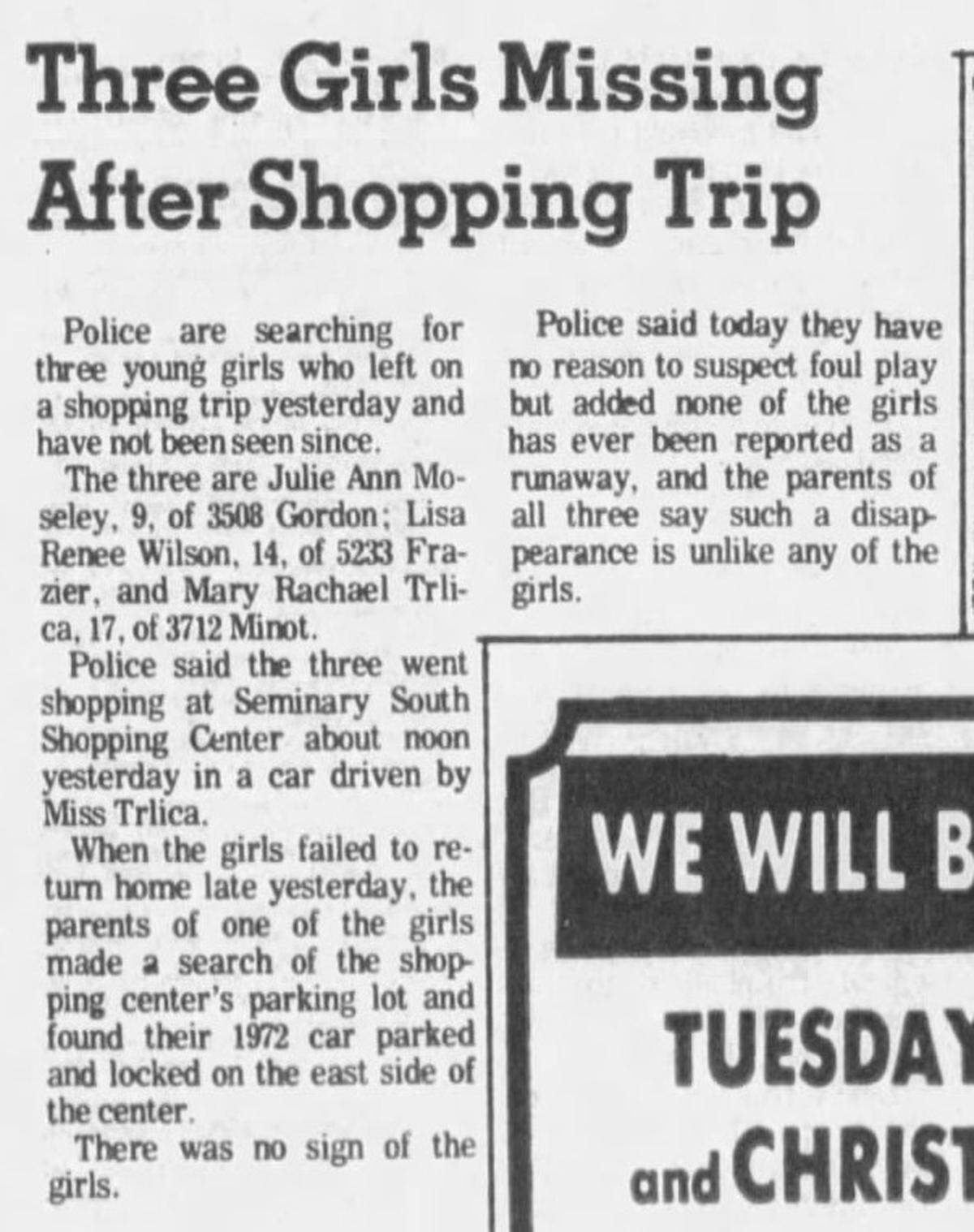
In following the trail of the missing trio, police confirmed the girls stopped by an Army/Navy store to get some jeans out of layaway. Two pairs of jeans were found in the trunk of the Oldsmobile.
After their first stop, it’s believed the trio headed to the shopping center where their car was found. It’s been reported that the vehicle was full of Christmas gifts, but both Debra and Terry said that wasn’t the case. The only gift was a wrapped present for Rachel’s stepson that Renee had brought with her from her grandmother’s house.
Terry wonders if the girls even made it to the mall. His sister Janet and one or two friends were supposed to meet the girls at Seminary South for lunch around noon that day, he said, but the trio never showed up.
“No one immediately went, ‘Oh, something’s bad happened,’” Terry said. “I mean, you didn’t think that way, especially back then.”
Someone who said he was an acquaintance of Rachel’s claimed to have talked to her in a store. A woman told a clerk she’d seen three girls being forced into a yellow pickup. Detectives were never able to find the woman.
“Several people think they may have seen them, but at Christmas time with thousands of people at that mall, nobody can say for sure,” detective Hudson said in 1979.
Seminary South opened in 1962. It was open-air construction, and the parking lot was open as well. As Fort Worth’s first mall, the shopping center boasted a supermarket, bowling alley, at least two restaurants and several major retailers. It later became Town Center, and in 2004, La Gran Plaza.
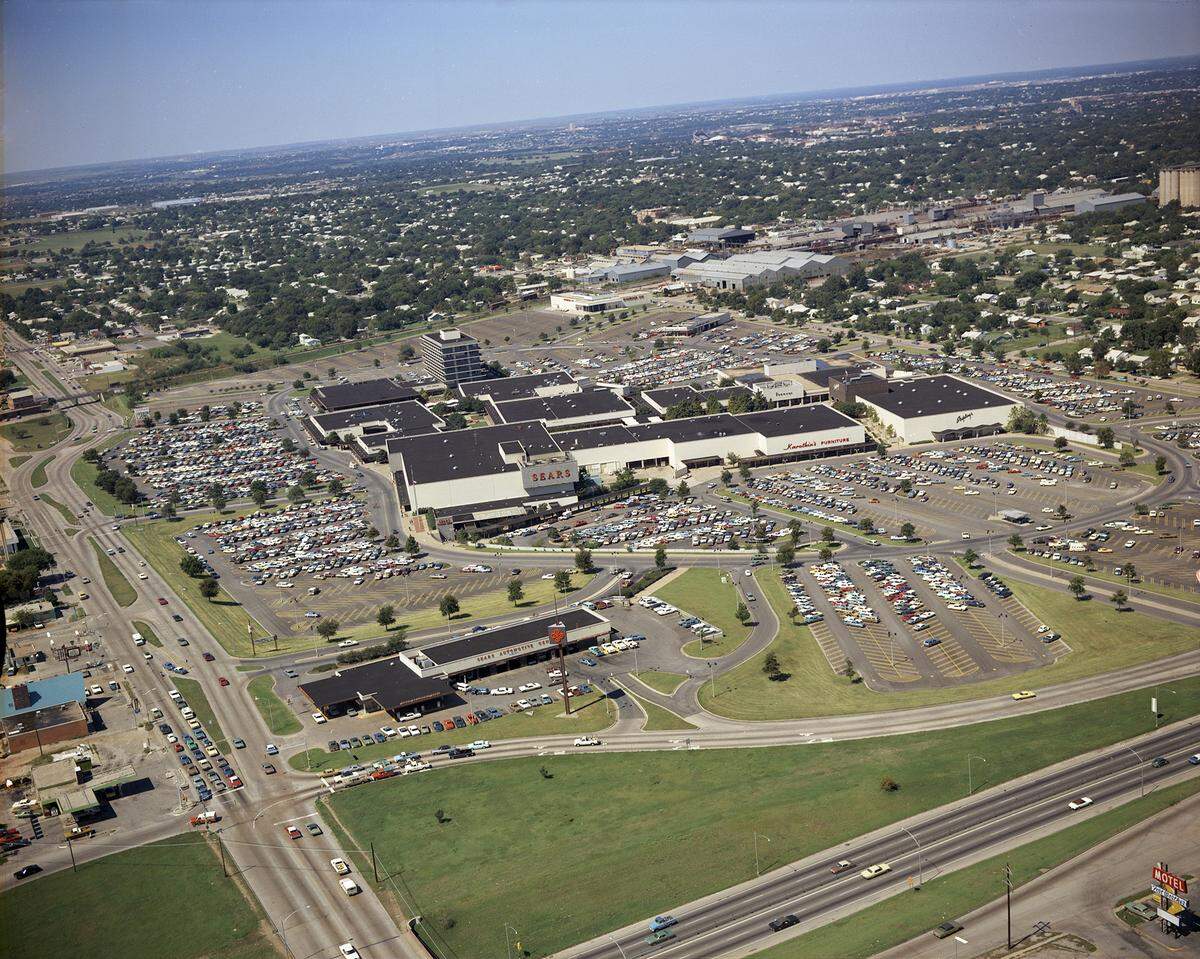
A week after the girls disappeared, police admitted they had reached a dead end.
“We just can’t get any farther than that parking lot,” an officer told the Star-Telegram.
Hudson would say the very same thing five years later. He took over the case around eight months after the trio went missing. By that time, leads and memories were cold.
In the spring of 1981, Hudson and another investigator spent several weeks searching a stretch of swampland in Brazoria County near Houston where the remains of three girls had been discovered. The remains were eventually identified but were not the missing Fort Worth trio.
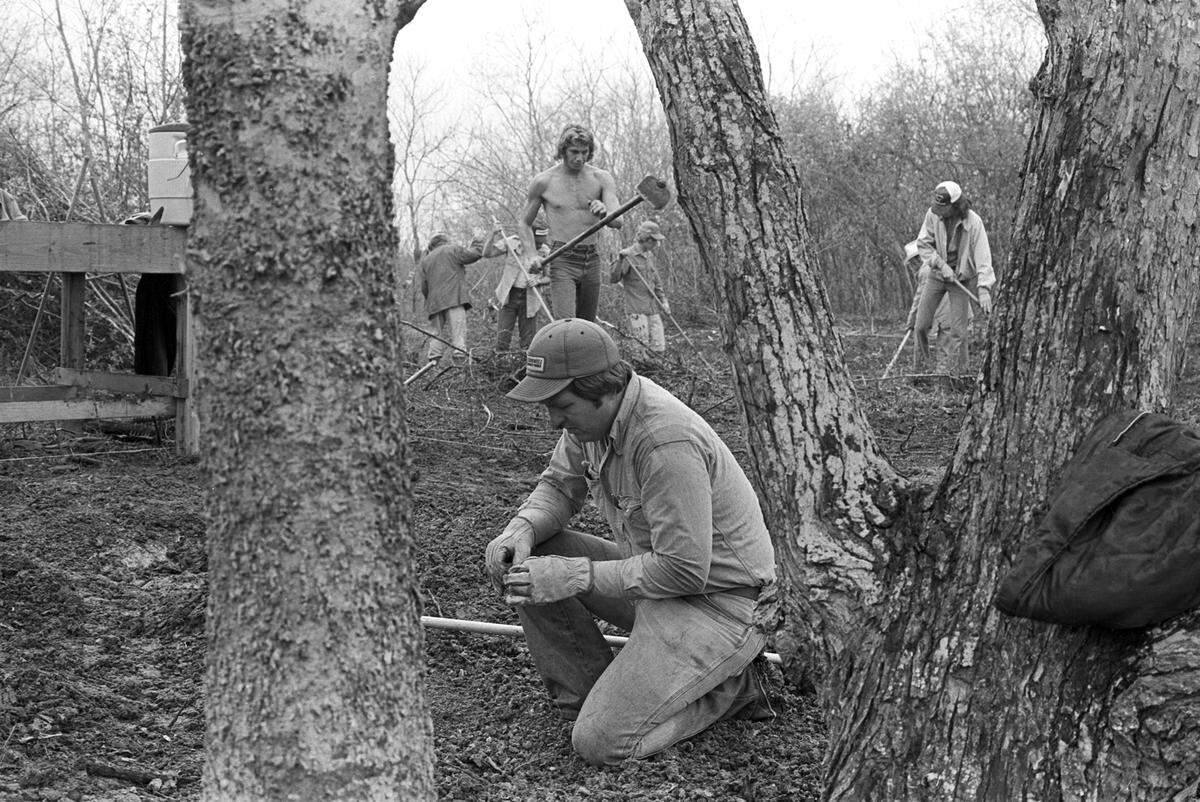
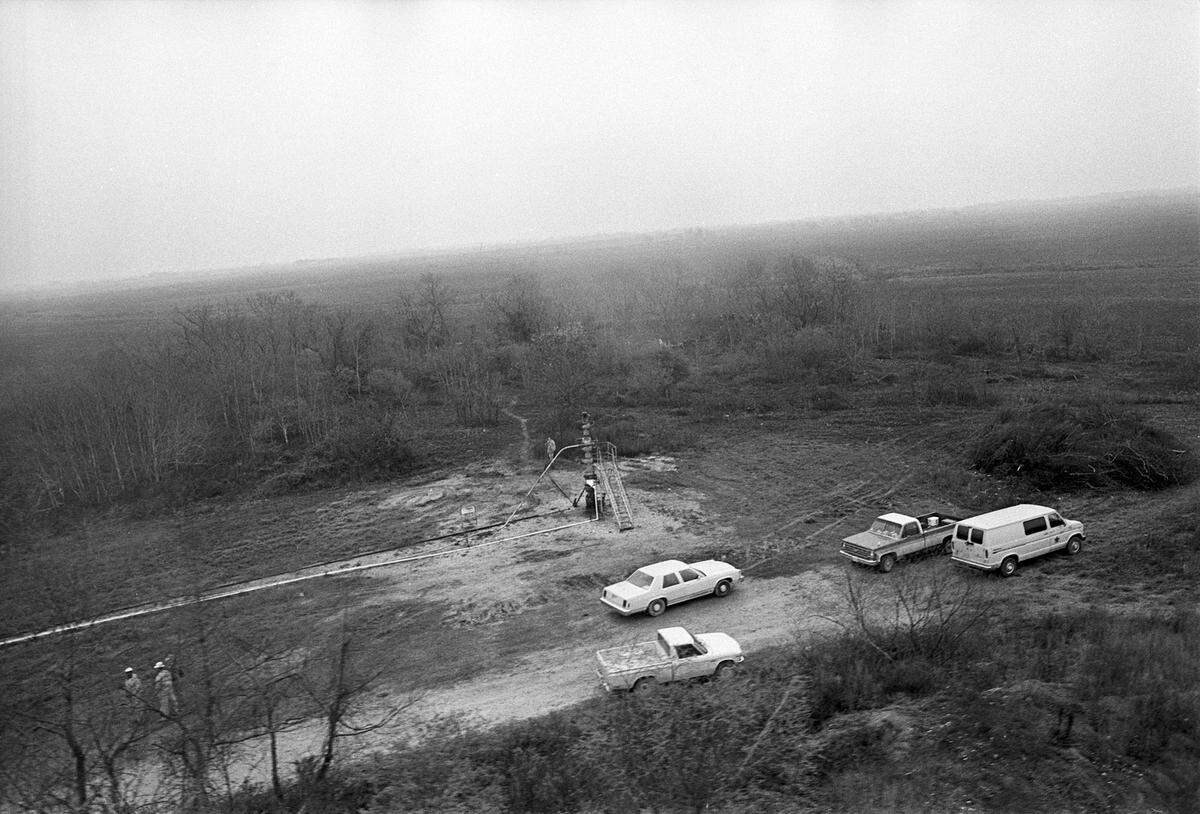
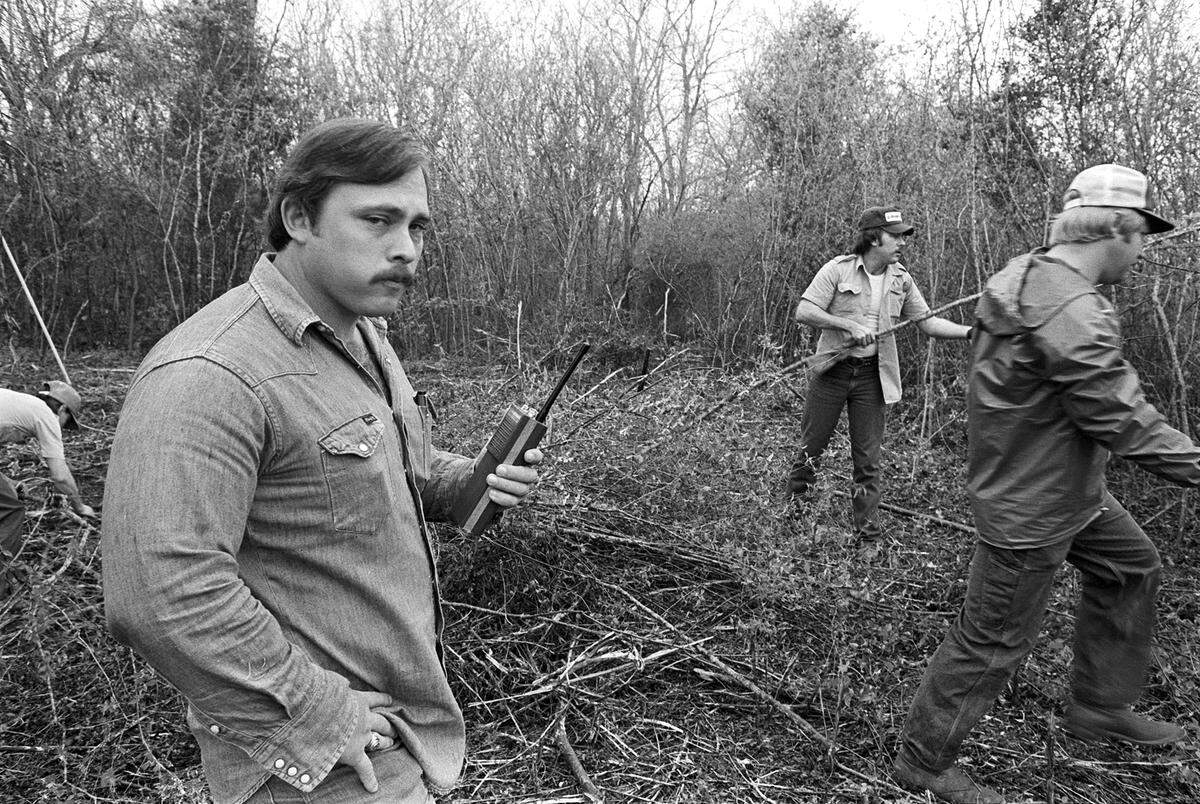
By the time the 15th anniversary of the disappearance rolled around, the case had circled back to the Fort Worth Police Department’s Youth Division. Hudson’s successor, Lt. John Ratliff, told the Star-Telegram that the lack of results was due to the quality of the clues, not the investigative work.
“We don’t have anything more on that case today than we did on Dec. 23, 1974,” Ratliff said.
Private investigators have also tried their hand at the case, but with no more results than police. The families retained Jon Swaim in March 1975. A few months later, Swaim received a tip that the girls’ bodies were buried under a bridge near Port Lavaca in Calhoun County. A group of searchers found nothing.
An unidentified man promised Swaim that his friend could lead investigators to the missing girls. After sending the private detective to 17 different phones around the city to make sure the call couldn’t be traced, and refusing an in-person meeting, the caller dropped from sight.
Another potential informant came forward the following year, but nothing came from that lead.
“It’s like they just vanished,” Swaim said in December 1975. “I don’t know of another case even close to this one.”
Swaim died from an apparent drug overdose in 1979. At his request, all of his files, including those on the three missing girls, were burned.
Even though he didn’t find the girls, Rachel’s family said Swaim was instrumental in getting the case moved out of the police department’s Youth Division and into Major Case.
Fifty years later
Today, the missing trio is considered a cold case. The police department’s Cold Case Unit is part of the main Homicide Unit, and one homicide detective is assigned to the unsolved cases full-time.
According to the FWPD Cold Case Support Group, a nonprofit organization that’s not affiliated with the police department, there are 970 unsolved cold cases in the city.
Terry said he has a hard time believing that a 50-year-old case with no clues is going to get investigated by police, especially when “there’s not hardly anyone there to investigate it.”
“We don’t get any responses,” Terry said. “We don’t get any updates. We don’t get any interaction whatsoever with the Fort Worth police.”
Calzada, the police spokesperson, told the Star-Telegram that cold cases are actively investigated every time new evidence comes in. Regarding the missing trio, he said that some information was recently shared with detectives, but it wasn’t any physical evidence.
“We are investigating those leads,” he said.
Calzada stressed that the department needs new clues, not theories or hearsay. And if somebody out there knows something, now is the time to speak up.
“Even if you’re the one responsible, just come forward,” Calzada said. “Get it off your chest. Get it off your heart, and give some positive resolve to this family.”
‘No stone unturned’
Rusty Arnold was 11 when his sister Rachel disappeared. That night, his mother took him to every store at Seminary South to have the girls paged on overhead speakers.
“(She was) worried that we wouldn’t find them,” Rusty remembers. “And we never did.”
Their mother, 86-year-old Fran Langston, is the only parent of the missing girls who is still living.
Fran said she’s worried the public has forgotten about the girls. Even 50 years later, she still gets emotional when she talks about them.
“You just wake up some mornings, and you can’t bear it,” she said.
Every Christmas, three angels representing Rachel, Renee and Julie light up the yard in front of Fran’s home.
Rusty has spent nearly his entire adult life looking for the trio. He’s dug countless holes, plumbed the bottom of North Texas lakes and followed lead after lead in his quest to leave “no stone unturned.”
Now he doubts they’ll ever be found, at least not in his lifetime. He said he’s “close to just letting the police handle it.”
“I’ve exhausted every avenue I know how to exhaust,” he said. “I’m tired, I’m old and I just want to spend the rest of my life with my wife and grandkids and my family.”
At times, he seemed close. Like when a woman called him at work several years ago and said she thought she might be Julie Moseley. The people who raised her weren’t her biological parents, and she didn’t know who she was, Rusty said. She sent him a photo of herself, and the resemblance to Julie was startling.
“This is crazy. After all these years, I think we found Julie,” Rusty said of his reaction to the photo. “We didn’t, we didn’t. But hey, but I turned that stone over.”
Another time, Rusty got a tip from someone who claimed he knew where the girls were buried. Before starting to dig, Rusty said they used ground-penetrating radar over the location and got three hits in a row. He called his wife crying.
“I said, ‘I think we found them, baby. I think we found them,’” Rusty said. “And we dug that up. Dug up some car parts. I mean, talk about letdown after letdown after letdown — every search.”
About 10 years ago, Rusty turned his attention toward Benbrook Lake. The 3,635-acre body of water is about eight miles from the shopping center where the girls disappeared, and even closer to the former home of a person of interest in the case.
Sonar showed vehicles at the bottom of the lake, and Rusty said he thought one of them might be connected to the girls’ disappearance. A team of divers raised the first two vehicles in 2018, but neither proved to be connected to the missing trio.
Attempts to raise the third car in September 2019 failed when it began to break apart. Divers made an underwater search of the vehicle several months later and found nothing.
“I tell myself, after 50 years, we’re not going to find them,” Rusty said. “But then they found Melissa (Highsmith), you know, and living right here in Fort Worth, right by where she was kidnapped.”
Highsmith was 21 months old when she was abducted by a babysitter in 1971. She was found 51 years later through DNA testing. She had lived most of her life in Fort Worth and never knew she’d been kidnapped, according to her family.
Highsmith’s case has given Rusty hope.
In the meantime, a Gibson SJ-200 acoustic guitar stands in the living room of his home. Gibsons aren’t cheap, and owning one has been one of Rusty’s life-long dreams.
This particular guitar holds more than monetary value for him, however. He named the instrument after his lost sister, and Rachel’s actual signature — taken from a card she’d given her mother — has been laser-etched on the truss rod cover.
“After 50 years, I brought Rachel home,” he said.
A $50,000 reward from an anonymous donor has recently been offered for information leading to the arrest and conviction of the person or persons responsible for the girls’ disappearance, or who can tell where the bodies are.
Anyone with information about the missing trio is asked to contact the Fort Worth Police Department at 817-392-4307 or 817-392-4308.
This report contains information from the Star-Telegram’s archives.
This story was originally published December 13, 2024 at 5:50 AM.