
She was told she would fail in college as a Latina student. Gosh, did she prove them wrong
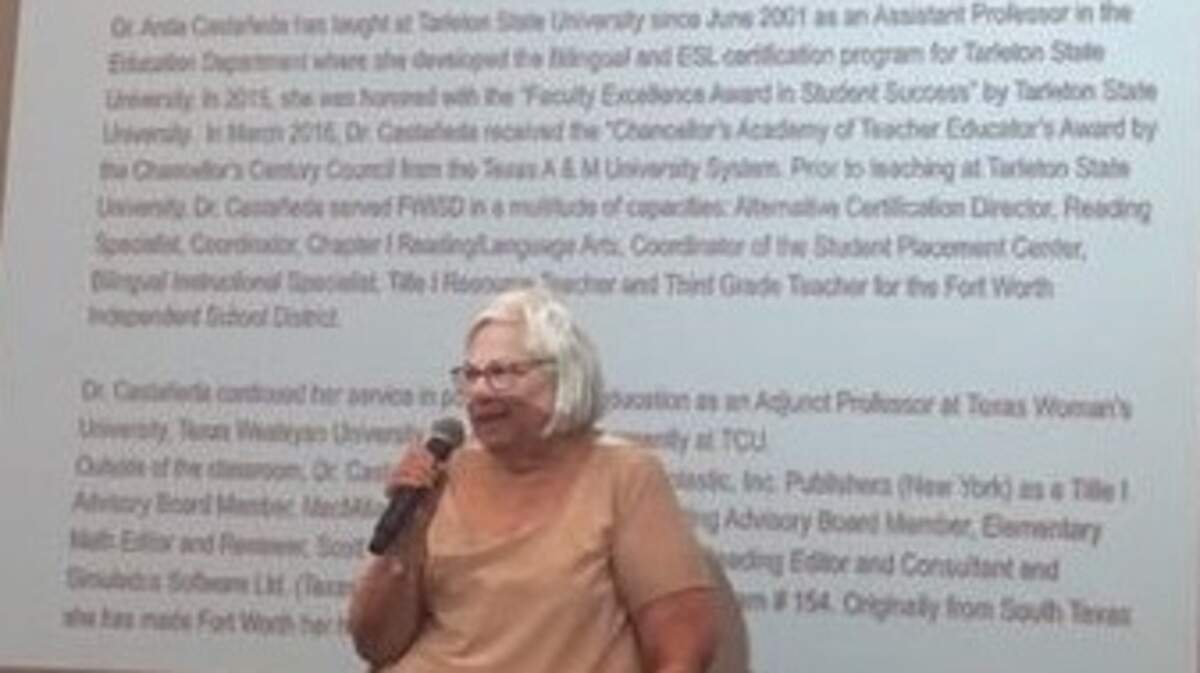
In the 1960s, South Texas teachers hit students like Anita Castañeda with rulers for speaking Spanish in the classrooms, halls or on the grounds of their schools.
On her senior trip, the white and Latino students rode in separate buses to the beach. Overcoming white parental discouragement, the seniors freely mixed with one another once off the buses.
Students also received different career advice. The counselors routinely directed Latino/a students to enter vocational programs for stenography or car mechanic work. Castañeda’s counselor told her she couldn’t succeed in college.
But Castañeda recalled the Spanish words of her Mexican immigrant grandfather Genaro Castañeda: Get an education and rise above what people think about you. After Castañeda received her PhD in reading and bilingual education, she mailed copies of her degrees to her Raymondville High School counselor.
Ironically, the messages of both her grandfather and her counselor motivated her as she moved from the Rio Grande Valley to the Denton campus of Texas Women’s University with a scholarship, majoring in bilingual education.
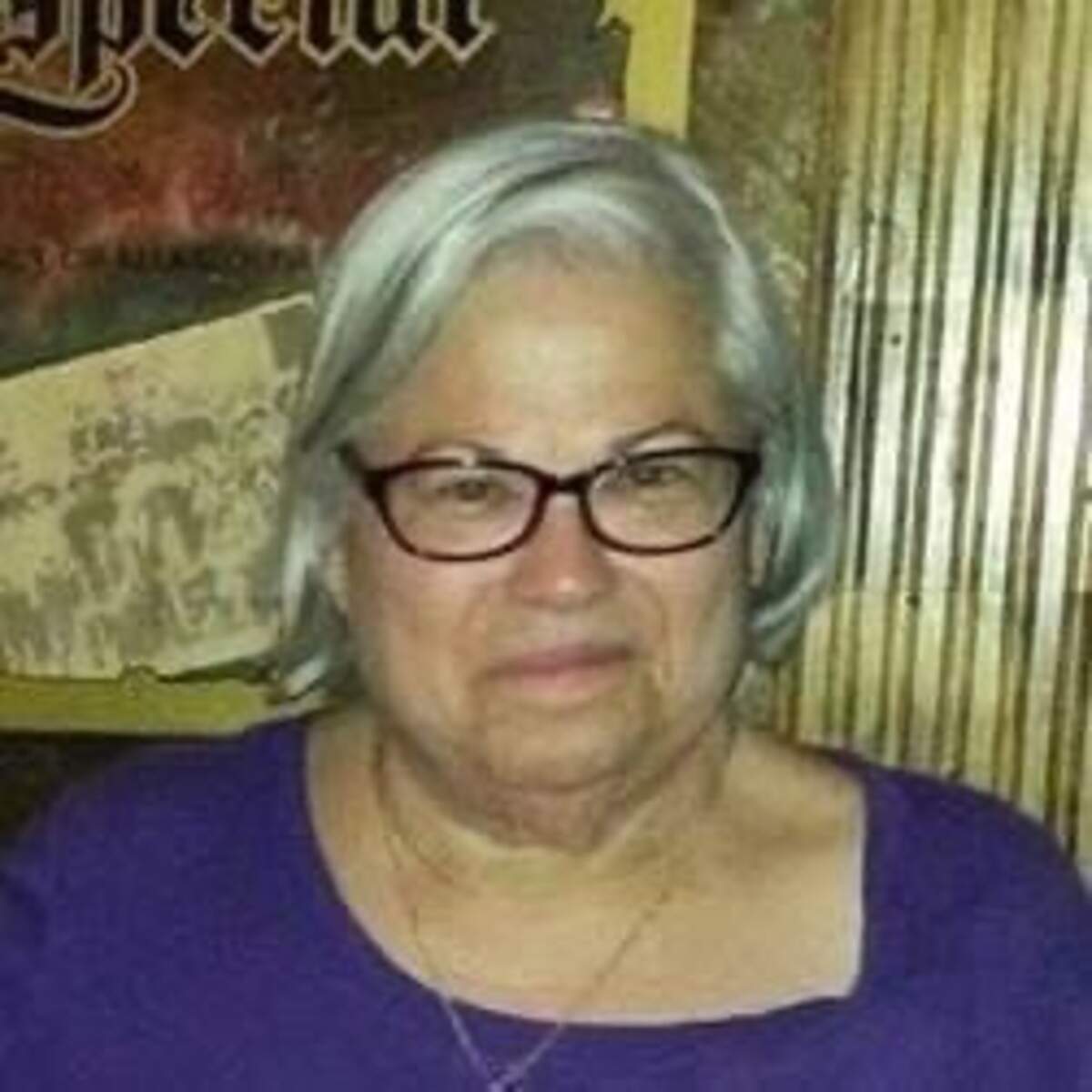
As the taxi drove her from the bus station to the campus, she rode in fear. She lived in the dormitory with an Anglo roommate, adding to the culture shock. Castañeda soon adapted and excelled academically. The first gen student and eldest of nine siblings, she worked part time in the school cafeteria, knowing that her dirt-poor family couldn’t help financially. In her junior and senior years, she rode a Teacher Corps bus from Denton to Fort Worth for her student-teacher internship at Denver Elementary School in 1969-1971.
Rudy Rodriguez, director of the Fort Worth ISD bilingual department, had secured federal funds to pay interns $300 per month to prepare them to teach bilingual classes. Before students started school for the day, Castañeda helped teachers prepare lesson materials. Her favorite internship activities were home visits in the fall and spring to every student she taught. She learned that to teach students well she needed to know the whole child and his or her family setting. Most families spoke Spanish as the primary language at home and undocumented, Mexican immigrant parents feared participating in school activities.
In 1971, Denver Elementary School Principal James Nott hired her as a full-time, certified bilingual teacher. She continued the home visits for the next eight years and encouraged parents to come to their child’s school. She sought to dispel their worries of possible arrest and deportation with assurances the school was safe for them.
With families that sent more than one child to Denver Elementary, she consulted with their teachers to relay any concerns or inquiries. She brought art materials for the parents to make stars, garlands, and other holiday-themed decoration for the classrooms. Their assistance saved her from staying up late and formed a parental partnership for the child’s success. Soon families viewed her as an extended family member. She improved her understanding of regional Spanish, depending on their Mexican geographical origin. Castañeda’s cultural brokering bridged family-school language and confidence gaps.
She explained that bilingual education focused on teaching in the child’s primary language for them to master reading and math skills early. The goal, however, was for the child to master English fluency. Studies have shown bilingual individuals tend to develop a high degree of literacy, good problem-solving skills, improved career opportunities, and heightened cultural awareness.
The biggest challenge bilingual teachers faced in 1971 was the lack of teaching materials. In the summers, Rodriguez organized the bilingual teachers and staff to translate curriculum from English language text books. They adopted some teaching materials from Miami-Dade County Public Schools.
Castañeda admired community leaders like businessman Manuel Jara, activist Rufino Mendoza, and others who attended PTA meetings and school functions. They continually offered financial and political support to teachers and administrators to find needed resources, change policy, or recruit more bilingual teachers and principals. In gratitude, community and family members successfully advocated to change the school name of Circle Park Elementary School to Manuel Jara and Denver Elementary to Rufino Mendoza.
Developing her own skills, Castañeda earned a master’s in reading and bilingual education, and a doctorate in bilingual education. Her dissertation focused on the influences of teachers, parents, and peers to motivate children to read books. Her findings showed teachers were the biggest motivators.
In 1984, Castañeda, Rodriguez (director of the Fort Worth ISD bilingual department), Frank Davila, and several local bilingual teachers and administrators founded the Bilingual/ESL Educators Association of the Metroplex (BEAM).
Through their own early educational experience, Rodriguez and Davila wrote in the 40th annual BEAM symposium program of 2024, “That initial drive to support the underserved students and school leaders was influenced by their experience in having gone through a very rigid, punitive, racist, English-only system that stifled the academic and linguistic growth of Chicano kids and families.”
Castañeda was tempted to send the Raymondville High School counselor the teaching excellence awards she’s received in her 31-year career. She especially cherished the Texas A&M University’s Chancellor’s Academy of Teacher Education award she earned in 2016 while teaching bilingual education at Tarleton State College. The recognition is bestowed on individuals “who are making noteworthy and exemplary contributions to quality, innovation, and continuous improvement in teacher preparation.”
Castañeda’s bilingual mind heard two voices: “You can’t do it” and, “Yes you can.” Throughout her career, she believed her grandfather’s Spanish words “Sí se puede,” and that made all the difference for her and her students.
Author Richard J. Gonzales writes and speaks about Fort Worth, national and international Latino history.