Stagecoach Ballroom, the Fort Worth old school honky-tonk, just made ‘history’
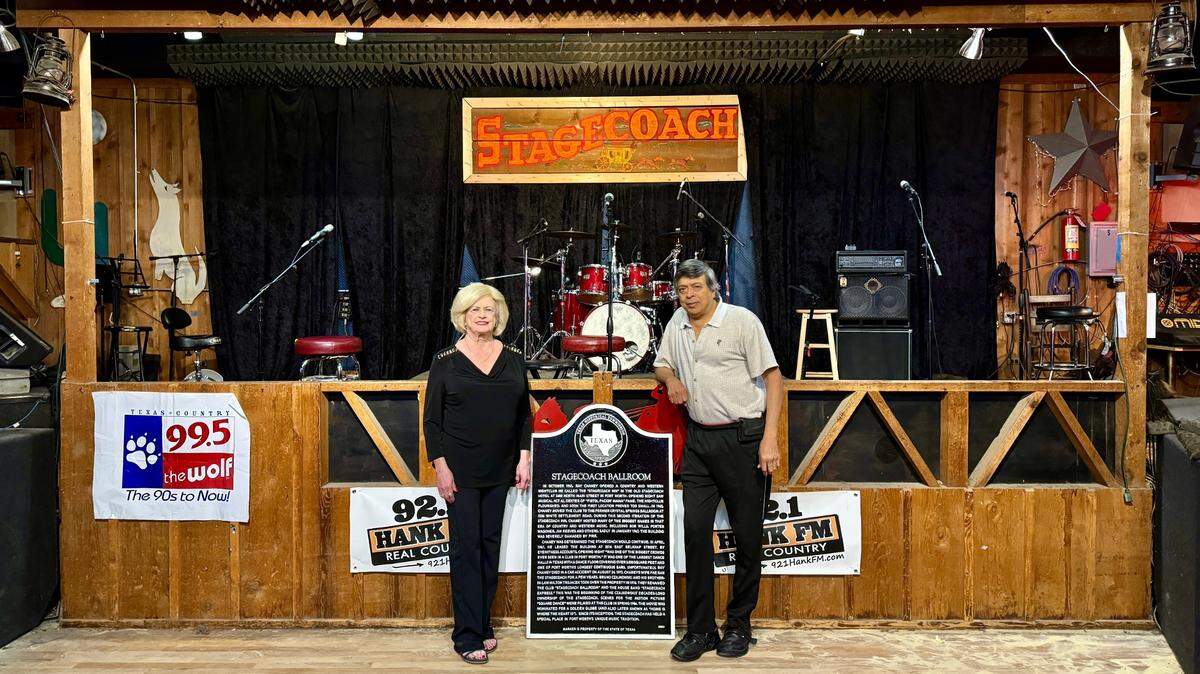
The honky-tonk dance hall Stagecoach Ballroom has survived for 63 years in despite devastating fires, three moves and all the changes that Fort Worth has seen since 1961.
As a testament to its rich history, as a venue where some of country and Western music’s biggest stars have performed, the Stagecoach is getting some special recognition.
The Texas Historic Commission has awarded the dance hall with an official historical marker, a recognition that celebrates the ballroom’s legacy as a mainstay in Fort Worth’s music scene for three generations.
Jean Czajkowski-Desai and Kiran Desai, whose family has owned the Stagecoach for nearly 50 years, will host an unveiling celebration of the marker on Aug. 26, featuring free live music and food. The marker will be hung in front of the building on East Belknap Street between a mural and display case.
In 1961, Ray Chaney opened the country music venue called The Stagecoach Inn at the old Stagecoach Hotel at 2408 N. Main St., near Exchange Avenue in the Stockyards. The business outgrew the space and moved two years later to the former Crystal Springs Ballroom on White Settlement Road.
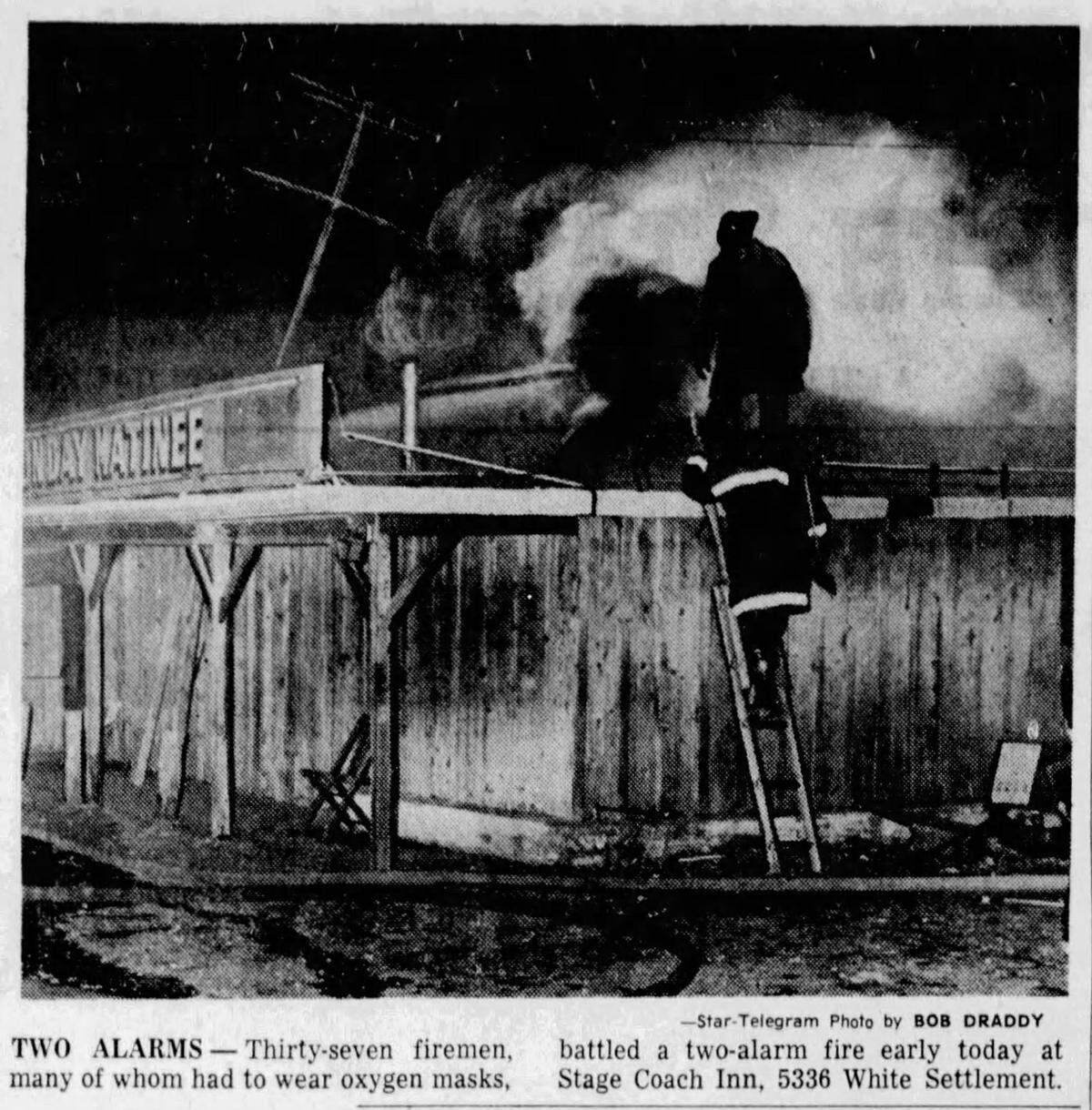
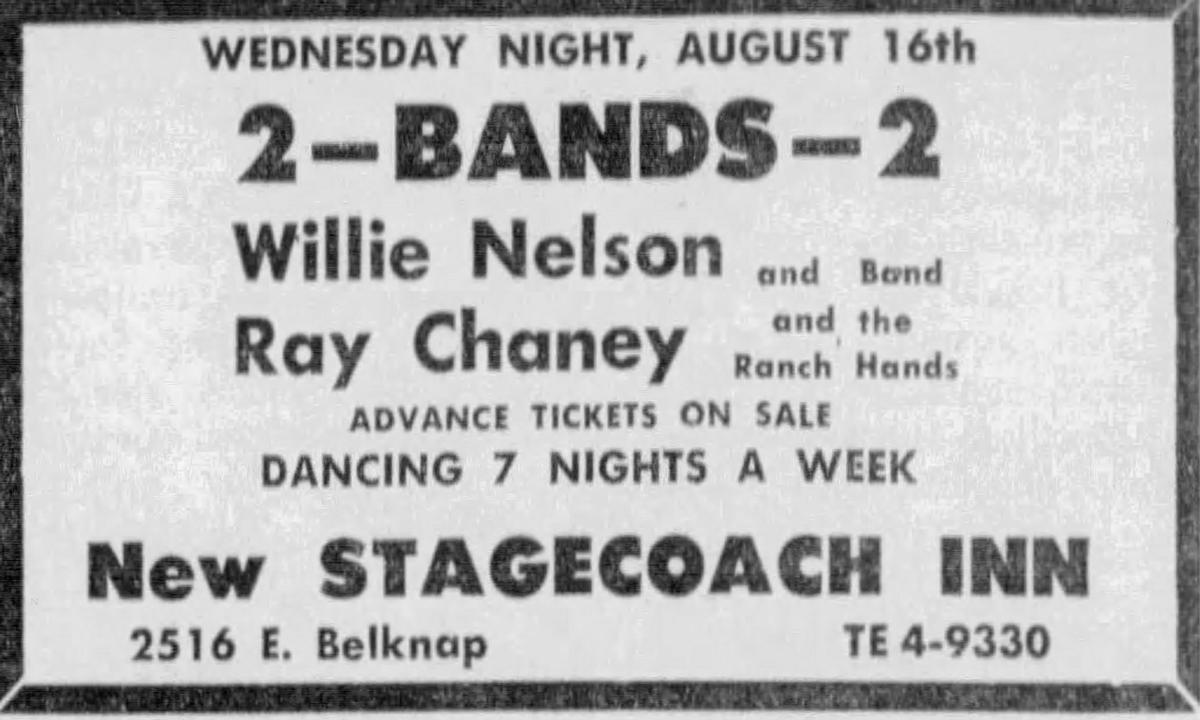
A late-night fire in January 1967 severely damaged the White Settlement Road building. Chaney relocated into a former supermarket at 2516 E. Belknap St., just east of the Trinity River bridge from downtown.
The grand reopening on a Friday night in April 1967 drew its biggest crowd yet, establishing the venue as a hot spot for country and Western music lovers. With a dance floor over 3,000 square feet, it was one of the largest music halls in Texas.
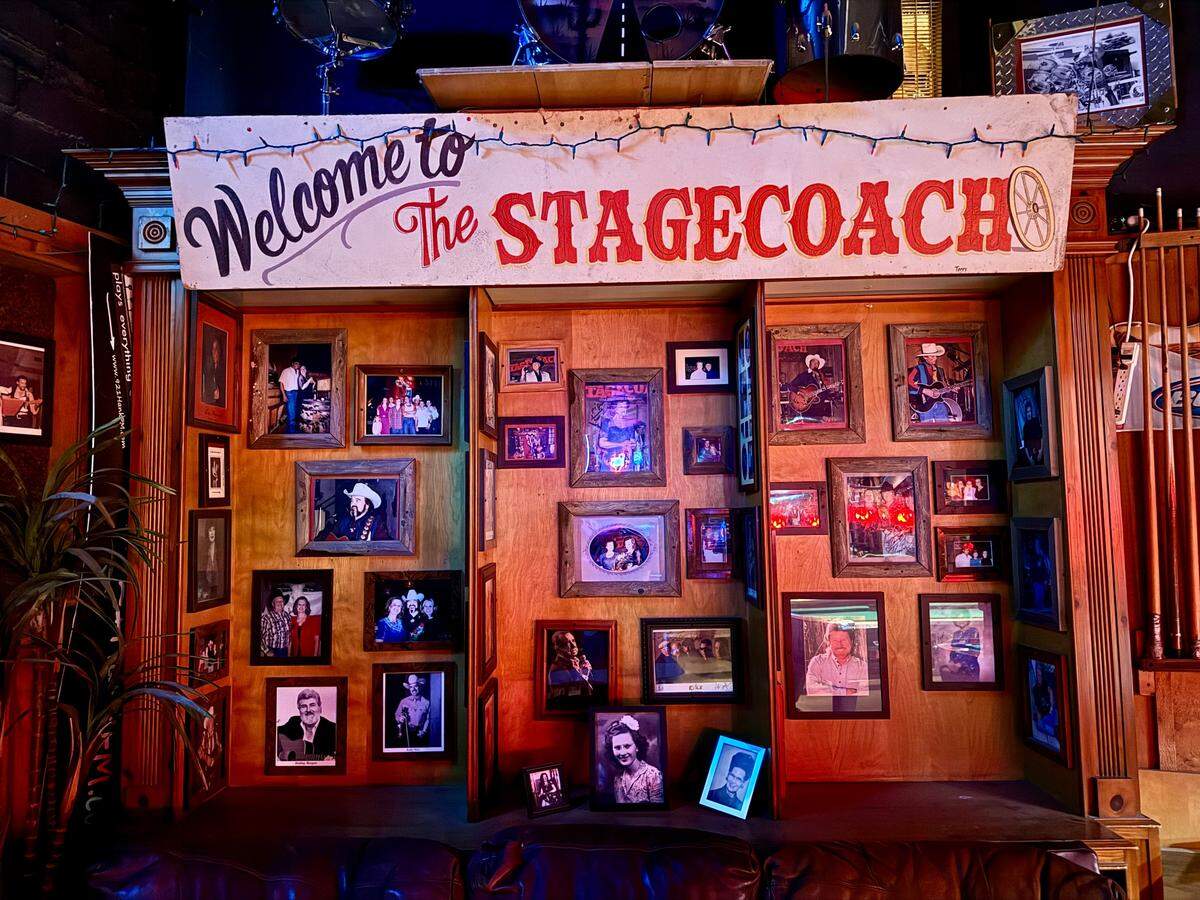
“We want to keep it as a traditional honky-tonk place. That’s what attracts people, and it’s been maintained that way since the 1960s,” Kiran Desai said.
Throughout the 1980s, the ballroom was the place to be, with performances by country music icons like Willie Nelson, Mickey Gilley and Tracy Byrd.
“In terms of what honky-tonk should be, we rank first,” Desai said.
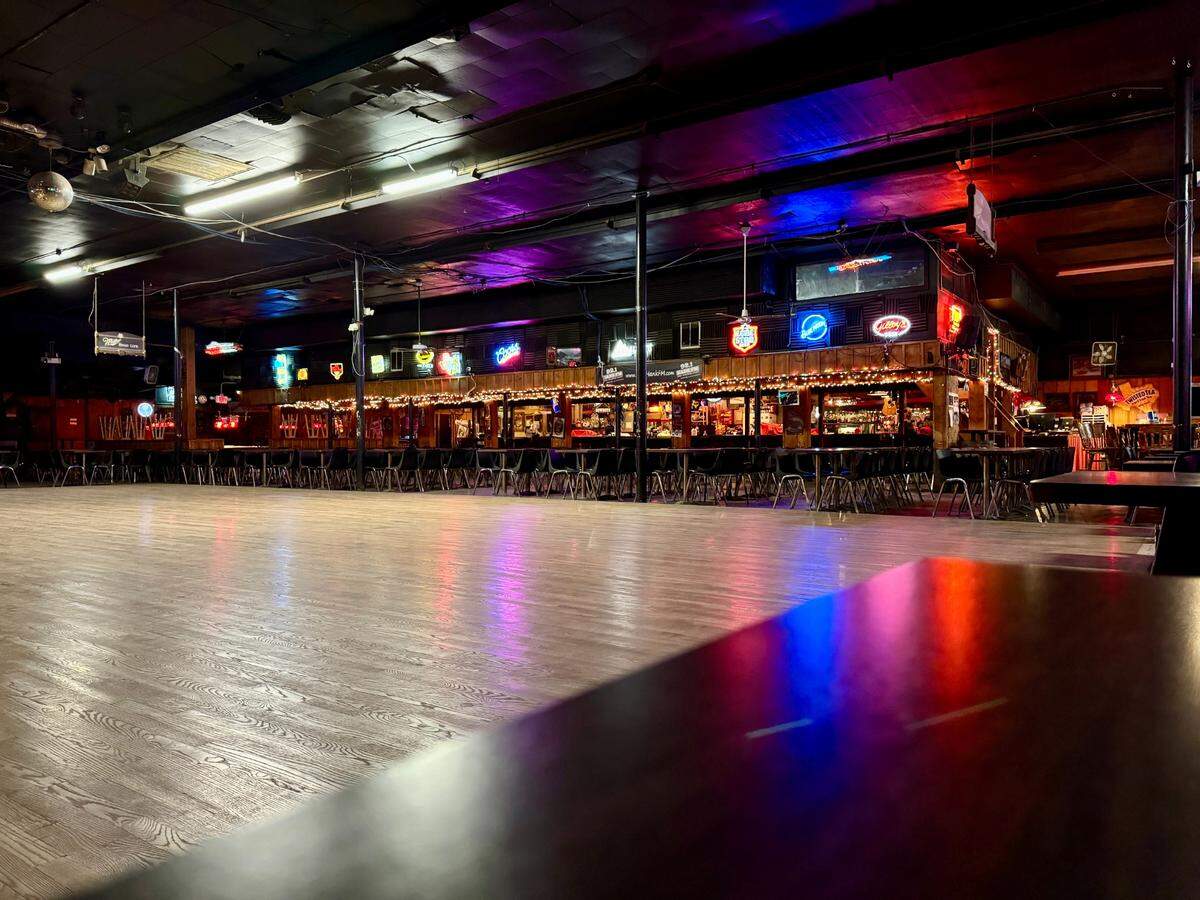
In the spring of 1986, the Stagecoach Ballroom became a filming location for the movie “Square Dance,” starring Rob Lowe and Winona Ryder. The film was nominated for a Golden Globe.
The club’s historical significance was further recognized when TBS filmed a segment of its series “America’s Music: The Roots of Country” at the Stagecoach in 1994. The series was nominated for an Emmy in 1997.
The honky-tonk club has evolved while still maintaining its charm and tradition. The house band, The Coachmen, continues to play every Sunday, and Fridays are dedicated to a weekly concert series and dance lessons.
“We kind of do stuff old-school here, and we’ve had five generations of the family that have worked here,” Jean Czajkowski-Desai said.
From its humble beginnings to its current status, the Stagecoach Ballroom holds a special place in Fort Worth’s unique music tradition, and the owners plan to keep it a family business.

This story was originally published August 8, 2024 at 9:56 AM.