
Mechanical skill, drive to provide stoked this Fort Worth billiards businessman’s career
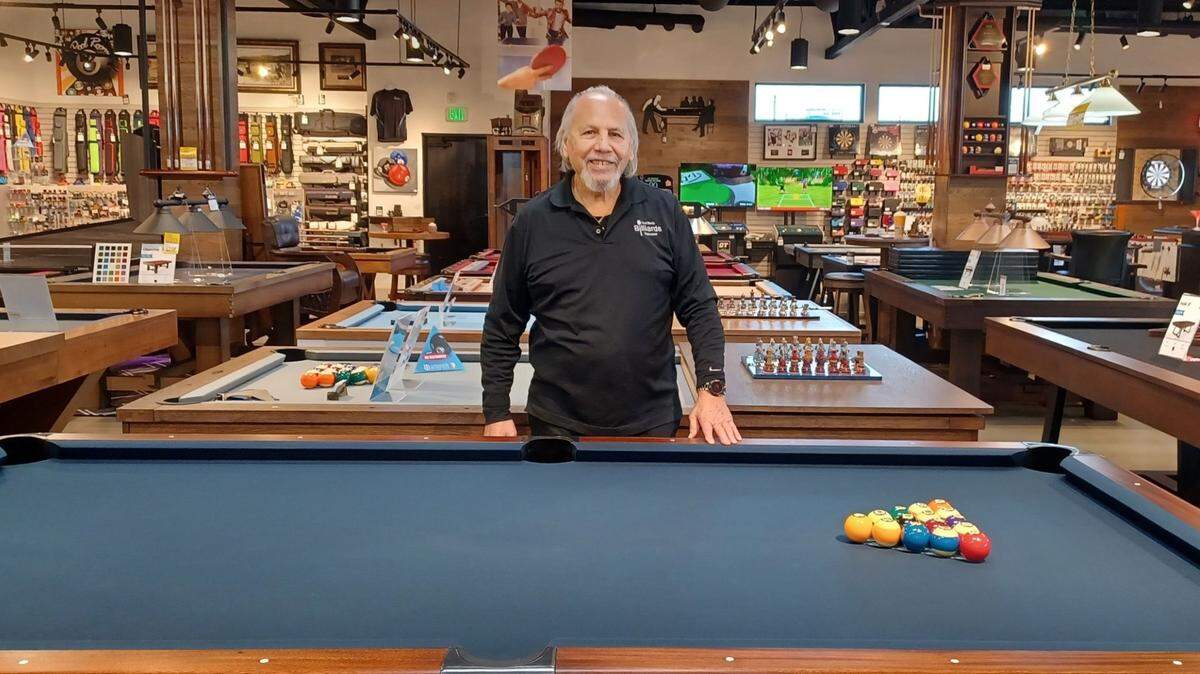
Ernest Lazo Sr. took apart a pool table in 1958 and carried it down a downtown Fort Worth hotel back fire escape just ahead of a police raid. Several of the dice and pool playing gamblers helped tote the 250-pound table to the exit, but on looking at the metal stairs, they set the parts down.
Lazo, then 18, and Marshal Walker, another employee of Fort Worth Billiards, worried the metal staircase would collapse. Lloyd Miles, owner of the billiard company, had connections with the local underworld gambling crowd and city hall. Aware of police surveillance of the hotel, Miles sent the pair to hide the pool table in the alley.
Lazo, raised on Fort Worth’s north side, met Miles when Miles recruited Lazo and Mike Martinez to play for the North Side High School football team. Star players on the 1956 JP Elder Junior High team, Lazo and Martinez helped the team win the FWISD championship that year. Impressed with their gridiron skills and toughness, Miles hired Lazo and paid him $20 every Saturday for a half-day’s work at his Fort Worth Billiard shop. Accustomed to getting $5 to $6 a day for part-time work, Lazo accepted the offer. Miles sweetened the deal, offering to teach him how to assemble and maintain pool tables, a full-time job, and a vehicle with gas card after he graduated from high school.
Lazo married Mary Lazo, both 18, and soon had two children, motivating him to finish high school and provide for his family. Admitting that his academic grades were mostly “fines and dandies,” Lazo attributed his mastery of the pool table assembly to his keen common sense and determination.
After watching a mechanic tighten bolts with a power wrench, Lazo applied the same wrench technique to billiard table bolts. On learning that English mechanics used beeswax to seal the slate seams in the tables, he applied the same substance and improved the table’s durability. He taught himself to sew billiard pockets by hand, adding a distinct feature to antique tables. His attention to detail and excellence earned him a reputation as one of the best pool mechanics in North Texas. After Miles raised Lazo’s salary to $65 per week, he quit his other night, part-time jobs and focused on his billiard mechanic work.
In the 1960s, the popularity of billiard table playing grew across the country, boosting Miles’ business. Lazo, and at times Walker, traveled to many jobs in towns and cities in a 300-mile radius from Fort Worth. Some jobs took him to Oklahoma or as far as Montana and Colorado. For an assignment in Odessa, Lazo left at 2 a.m. to meet the customer by 8 a.m. He estimated he drove a million miles without a single speeding ticket. As customers specifically requested Lazo for his near-perfect craftsmanship, he convinced Miles to hire more mechanics, who Lazo trained to relieve his demand.
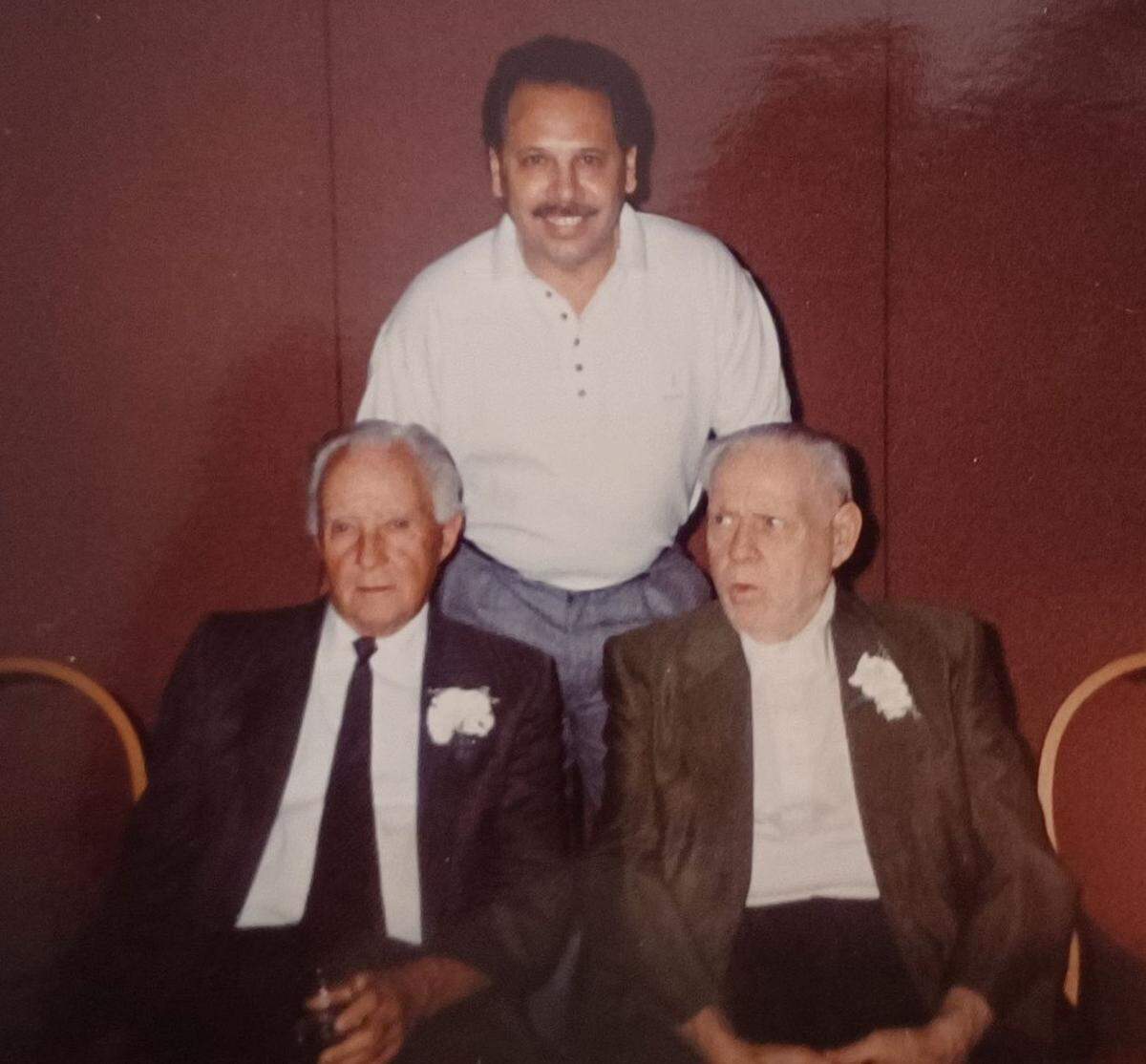
In some Texas towns, Walker, who was Black, sometimes slept in the pool halls since hotels wouldn’t rent to him. After the sun set and in early morning, Lazo snuck Walker in and out of the hotel. He’d buy meals and drinks and bring them to him to eat in the room. On one occasion, they went to a Black-owned restaurant where they refused to serve Lazo. Walker expressed his disapproval in strong terms and stormed off to another Black-owned café where they served them. Lazo observed that he was the only Latino billiard mechanic he knew; the rest were Black.
After Miles died in 1989, he left Albert Trujillo, who was the Fort Worth Billiard store manager, Lazo, and a bookkeeper $250,000 to continue the business. The bookkeeper decided to sell her share to them. Lazo surmised that since neither he nor Trujillo had college degrees, the bookkeeper concluded they couldn’t sustain the venture. In 1993, Trujillo and Lazo became co-owners, set weekly earning goals, never took a day off nor took vacation, lived frugally, and invested their full energy and skills in the enterprise. With Trujillo’s salesmanship and Lazo’s technical savvy, they grew the business.
Miles was forced to move the store from its 30-year downtown Fort Worth location when the city bought his building in 1988. At a Montgomery Street location, the property owner raised the rent and refused to sell Lazo and Trujillo the structure. Rebounding, they bought land at 3970 W. Vickery Blvd. and built a new store, Fort Worth Billiards Superstore, in August 2019. The showroom displayed state-of-the-art billiard tables, cue sticks, and a wide assortment of gaming equipment. They offered professional set up and maintenance of tables.
At 83, Lazo works 10-hour days, four days a week. He attributes his rise from poverty to financial success to a steadfast belief in the business and a strong desire to provide for his family. Anglo acquaintances who were disgruntled with their jobs talked about finding new work. As a Latino, Lazo didn’t have the luxury of job hopping and sometimes found himself behind the eight ball, but banked life with the finesse of a pool champion.
Author Richard J. Gonzales writes and speaks about Fort Worth, national and international Latino history.