New program will fight fentanyl overdoses, opioid addiction in Fort Worth. Here’s how
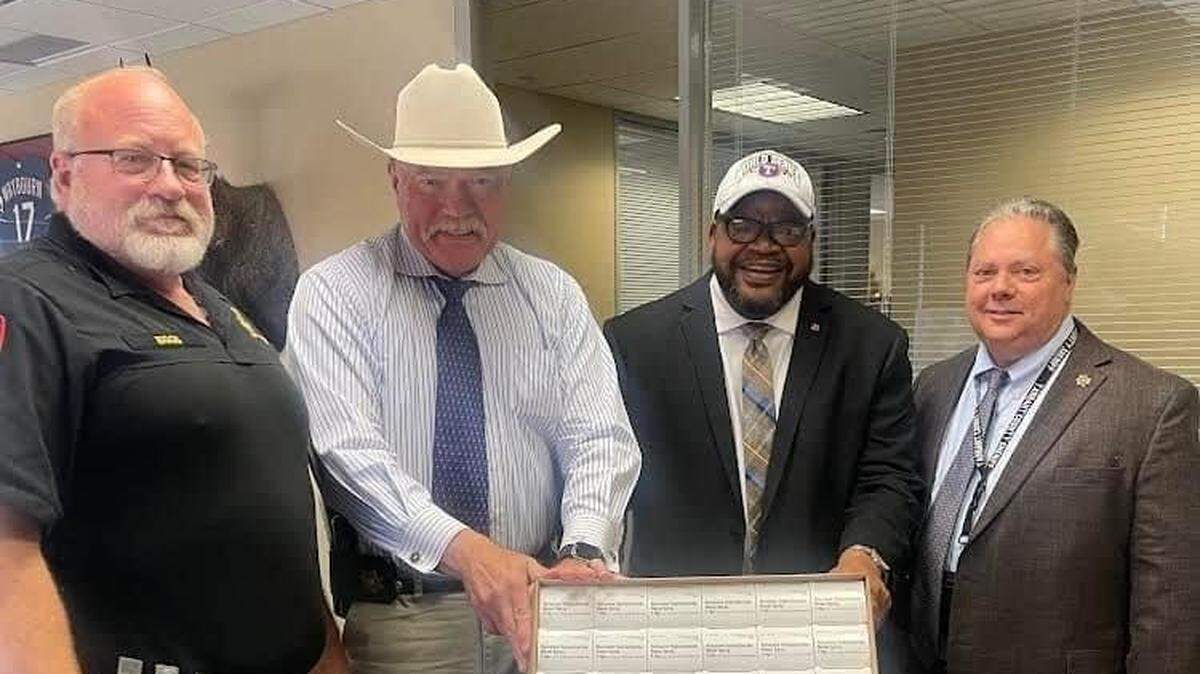
A new community training program will target the growing problem of opioid drug overdoses in Fort Worth.
SaferCare Texas, a department of the University of North Texas Health Science Center at Fort Worth, was awarded a $310,339 grant from the city of Fort Worth to provide opioid intervention education. SaferCare Texas works to eliminate preventable harm through advocacy, education, innovation, and service.
The program will address problems caused by fentanyl, a synthetic opioid that is similar to morphine but about 50 to 100 times more potent.
From 2020 through last summer, 672 people have died from fentanyl in the Fort Worth area. The drug has caused or contributed to deaths of at least 100 teenagers and young adults in the area since 2019, which is about 15% of all fentanyl-related fatalities.
The grant focuses on the use of Narcan, which counteracts the effects of opioid overdoses, bringing people out of a respiratory crisis and allowing them to recover. The grant will allow SaferCare Texas’ nurses or health professionals to reach out to community based organizations, schools and home-based care settings.
The goal is to provide proper training to organizations, which can then reach deeper in their communities and train resident themselves.
A second part of the grant will fund virtual reality training of healthcare professionals by the UNTHSC College of Nursing. Participants will be trained on how to recognize addiction, have conversations with patients about it and develop intervention plans.
Teresa Wagner, interim director of SaferCare Texas, says she hopes both of the training opportunities raise awareness from a health literacy perspective and help people get treatment.
“Our intent with this particular grant is to reach out to communities that are underserved,” Wagner said. “So particularly communities that experience low income or low resources that may not have the opportunity otherwise to receive these types of training, and really to work with community based organizations that are housed within those organizations in those communities.”
The grant will cover rent venues, mileage, doses of Narcan and supplies for training, among other expenses.
There will be, on average, three training sessions a month starting in March, with the goal of having 25 sessions before November. The number of training sessions each month will be based on demand.
The Ministers Justice Coalition of Texas, which has an initiative called Faith Over Fentanyl, is interested in the program. The organization’s mission is to inform and engage the faith community about overdoses and how to prevent them.
Kyev Tatum is president of Ministers Justice Coalition of Texas and pastor of New Mount Rose Missionary Baptist Church. He says the group works without funding and focuses on the 76104 ZIP code, where majority Black and Hispanic neighborhoods lack adequate access to resources. People in the 76104 ZIP code had the lowest life expectancy in the entire state of Texas, according to a 2019 UT Southwestern study.
Tatum says people in the 76104 ZIP code deal with systemic problems related to violence, low life expectancy, and a high infant mortality rate, which can cause them to turn to drugs to cope.
The Ministers Justice Coalition of Texas has worked with the Tarrant County Sheriff’s Department, which has provided the group with Narcan supplies, spoken with the organization and residents about opioids, and connected the coalition with other organizations combating opioid drug overdoses.
Prevention measures like SaferCare Texas’ training program will help address systemic problems, Tatum said.
“All I get to do is share our story with the rest of the world,” Tatum said. “ I’m gonna keep sharing our story in hopes that someone will give us some relief.”
This story was originally published February 15, 2024 at 5:00 AM.