These medics bring care to Fort Worth’s homeless, treating people at camps, parks and more
Ronald Northern picked up a large rock, planning to use it as a counterweight to keep a tarp from blowing away in the wind.
The night was cold, and Northern, who lives outside in a clearing north of Interstate 30, was using the tarp to shield himself from the weather. But as he lifted the rock, he felt a sudden spasm of pain in his left hand, and dropped it.
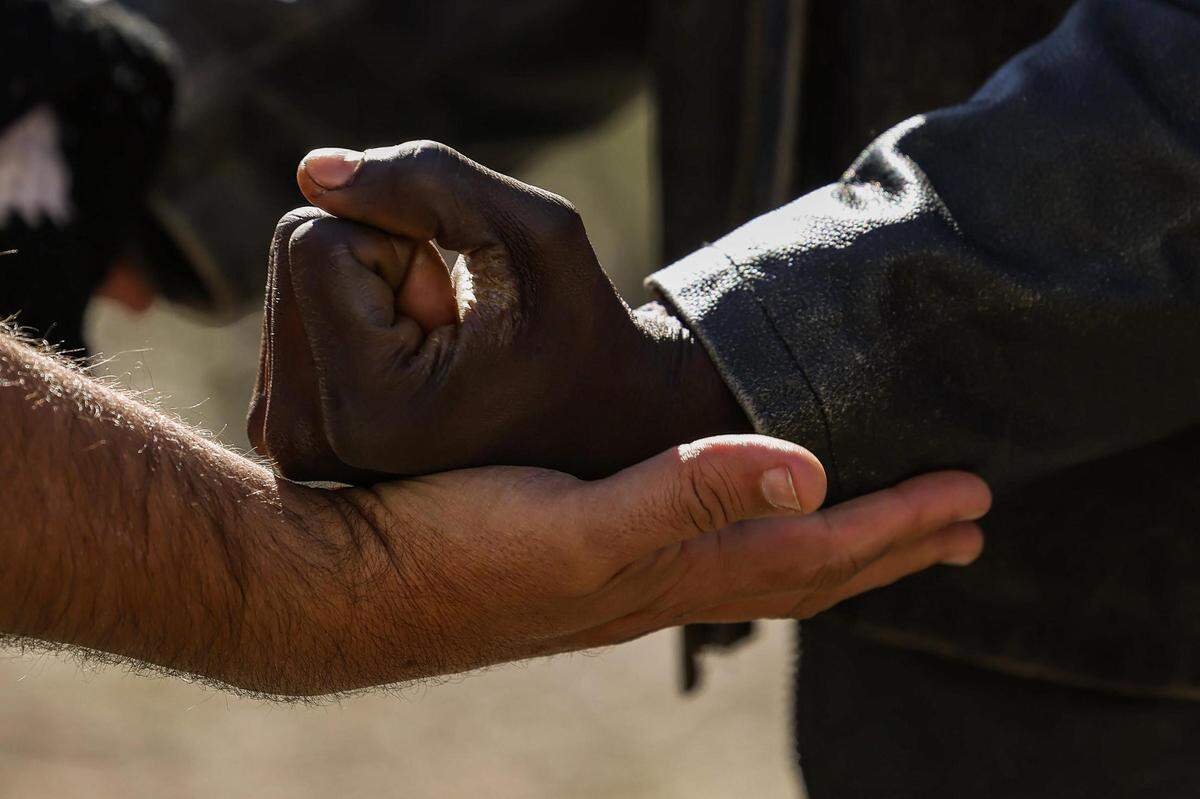
A few days later, Northern tells this story to Joel Hunt, physician assistant and director of Fort Worth’s street medicine team. Northern’s left hand has been hurting him for a while, making it harder for him to work. Hunt had Northern make fists with both hands, then checked his grip strength and reflexes. They talked about what could be causing Northern’s pain, and the options to alleviate it. The two stood together in the clearing, just a few feet from Northern’s campsite, which decades ago was the site of a drive-in movie theater.
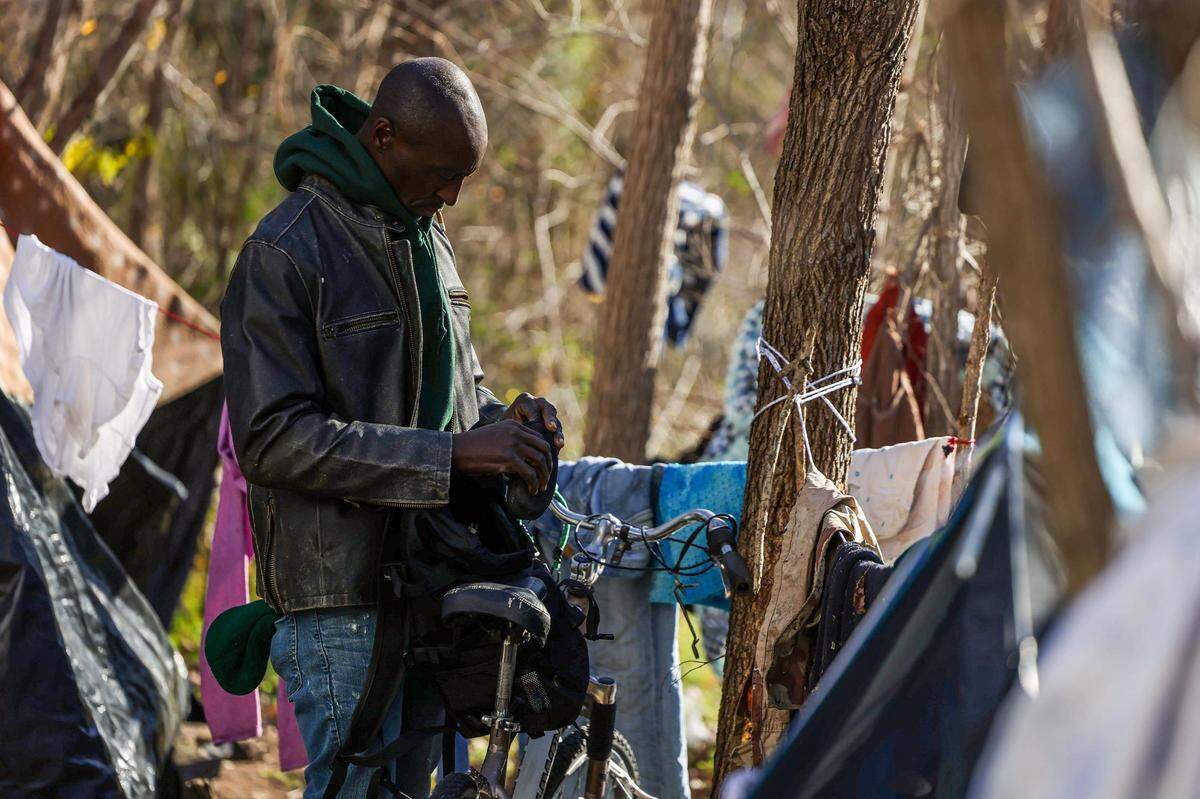
The street medicine team does most of its work in places like this: Campsites, parks, and gas station parking lots where their patients live or spend time. They carry medical gear in their backpack and use the nearest QuickTrip as their break room. Almost all of their patients live outside, and many of them are transient, moving to new locations depending on the weather and on the enforcement of Texas’ camping ban.
High rates of death and disease
Their work is part of a growing national recognition that people who live outside face rates of disease and death much higher than Americans with stable homes. And early research also shows that people living outside also die sooner than their homeless peers who spend their nights in emergency shelters. A 10-year study of unsheltered residents in Boston — sometimes referred as “rough sleepers” in the street medicine community — found that the death rate for those living outside was 10 times as high as for the general Massachusetts population. Street medicine teams like the one in Fort Worth have existed for years, but are increasingly being recognized as an essential tool to reduce suffering among people who are homeless.
Northern, 49, has been living outside for several years, since he left the state prison system, he said. He was sentenced to 15 years after he pleaded guilty to a robbery charge. Now, he works odd jobs and is on a waiting list for housing. Sometimes, he has enough money to get a hotel room for himself and his girlfriend. But most nights, he lives in the home he has built for himself outside. A lot of the basic needs in life are harder for Northern to access living outside, he said, like regular meals, transportation, and a quiet night of sleep.
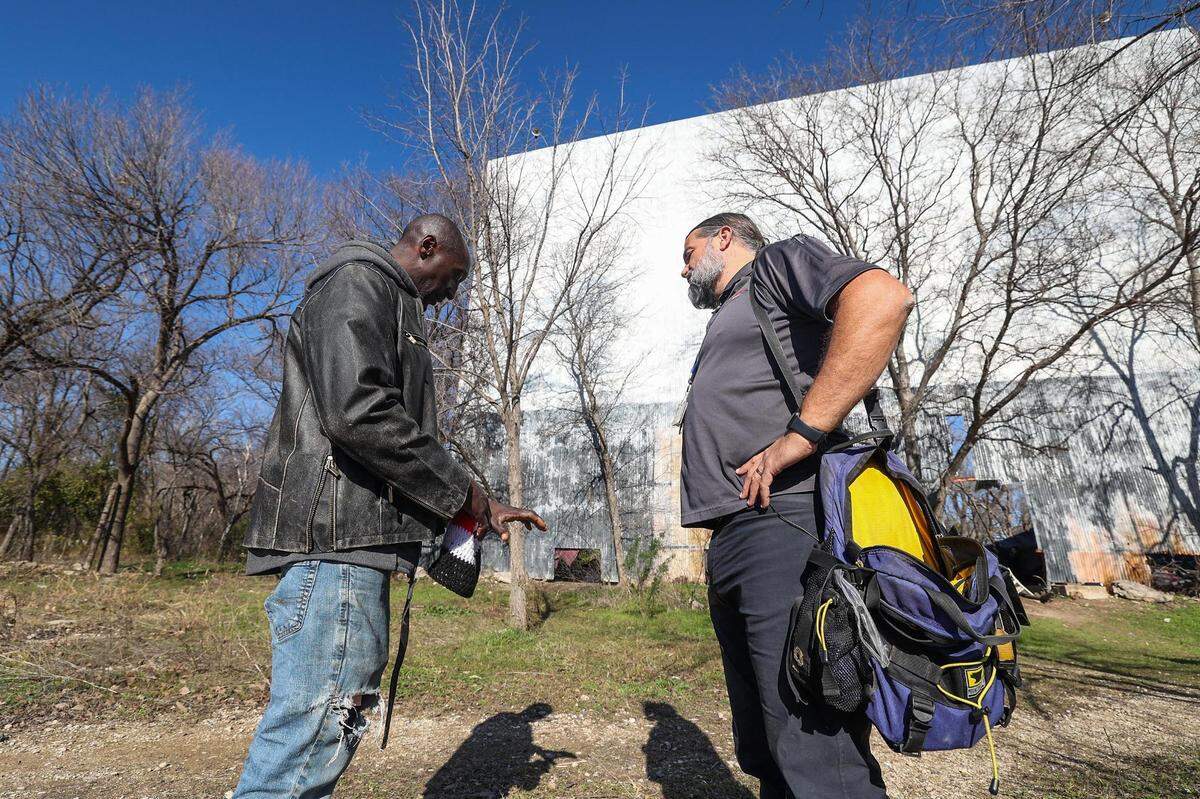
But medical care is more accessible for Northern through the street medicine team. Without them, he said, he’d have to find a way to get to JPS Health Network’s emergency room, a trip that would be challenging for him and potentially a poor use of the ER’s resources, he said. Northern said his visits to the ER have decreased since he began working with the street medicine team, and that the last time he went to the ER was in May. For Northern in particular, the team is critical to his ability to keep working.
“Without them, I wouldn’t be able to cure these ills that ail me and move around and do the things that I have to in order to get myself back in standing in society,” Northern said.
If he was in pain, Northern said, he would miss the required meetings he needs to attend in order to qualify for housing.
“I’m not making these appointments if I’m hurting,” he said. “I’ll probably just be lying there like a big, 49-year-old baby.”
Northern took photography classes while he was incarcerated, and hopes one day that he’ll be able to document his life and the lives of his peers on the street through photographs.
Common health conditions
After years of working on the streets of Fort Worth, the street medicine team has come to know thousands of people. Some people they treat regularly. Others will be here one week, gone the next.
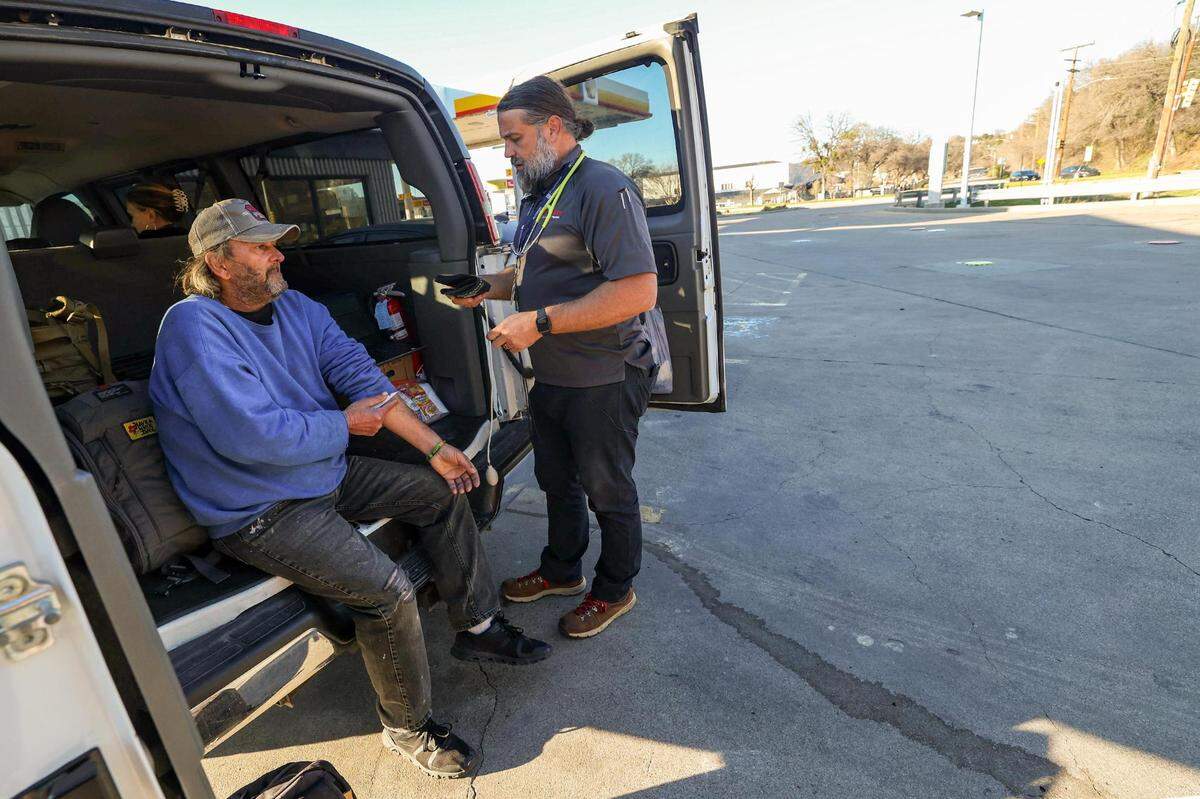
The street medicine team started at JPS Health Network as part of the public hospital’s initiative to provide health care more effectively. When the program began in 2013, its goal was to decrease emergency room visits among homeless people. Now, the team is supported by Acclaim, the medical practice that staffs JPS and is owned by the health system.
The team typically is on the road treating patients for two shifts a day, five days a week. In addition to Hunt, the team includes a mobile health coordinator, a nurse, a community health worker, and a social worker. Together, the group works to get patients as much medical care as they can provide on site, as well as linking them to other service providers throughout Fort Worth and more advanced medical care as needed. The team is also regularly joined by new doctors who are training at one of JPS’s residency programs, as well as a street medicine fellow. The fellowship, which began in 2021, is the nation’s first to allow for an emergency medicine doctor to obtain advanced training in street medicine.
Street medicine providers say the most important aspect of their relationship with patients is trust. The majority of their patients have had a negative experience with an institution in their lives, be it time in prison or jail, the foster care system, or the health care system.
That’s part of why street medicine is so powerful, Hunt said: It flips the traditional power dynamics of a patient seeking care in a large hospital system. Advocates of the practice note that street medicine is more than just a mobile clinic because it puts unsheltered people in the driver’s seat of their medical care.
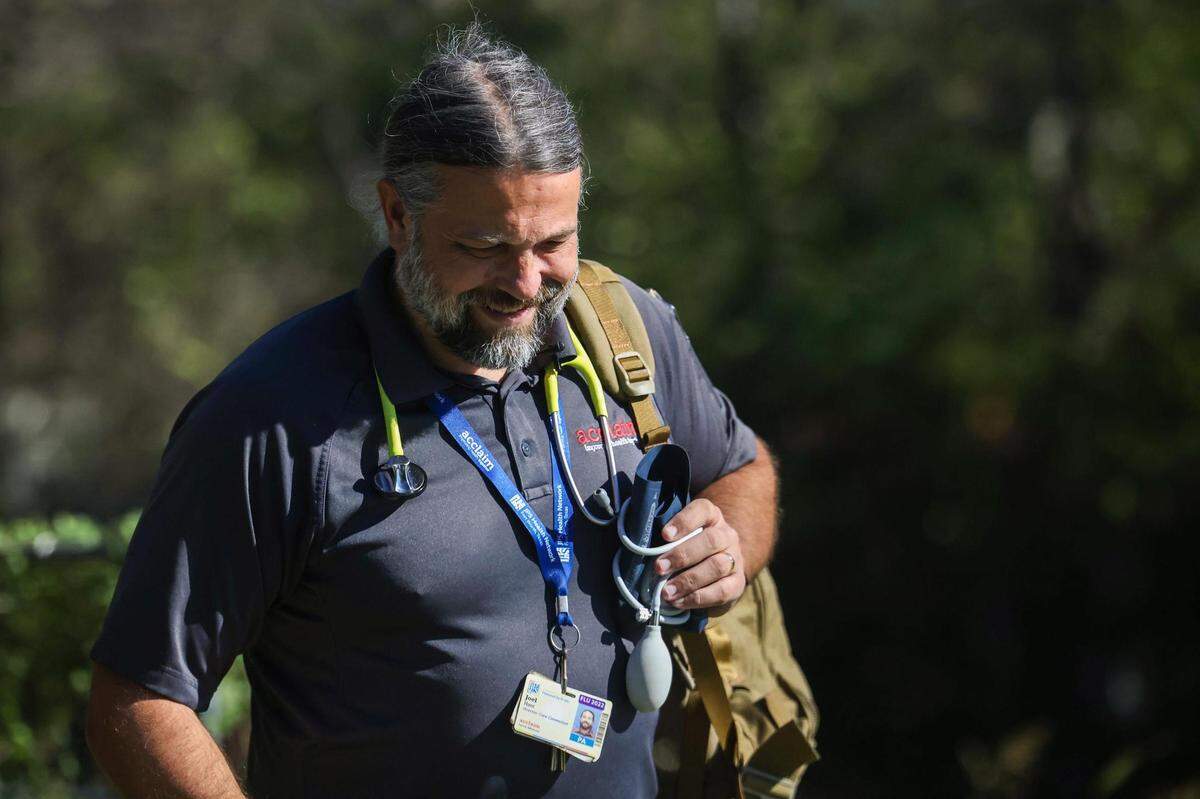
“We’re in their home. They’re the ones that are in control of the environment,” Hunt said. “When they come into the clinic, we’re the ones in control and they’re yet again reminded of their powerlessness.”
Northern, the team’s patient with joint problems, has relatively few diagnoses, particularly given the increased risk for people who are homeless. Some patients have more complex needs. Generally, Hunt said, unhoused patients have many of the same conditions that ail the general population, but those conditions often go untreated for longer and become serious issues sooner.
When one patient is grappling with a string of diagnoses like congestive heart failure, depression and substance use disorder, the team’s priority is letting the patient identify their most important needs.
Sometimes, that means the care they offer can look a little different than the traditional doctor-patient relationship. For Ace Diamond, a homeless woman who asked to go by her street name, some of the most vital support she’s received from the street medicine team are the conversations she’s had with them as she has navigated depression and a history of substance use disorder.
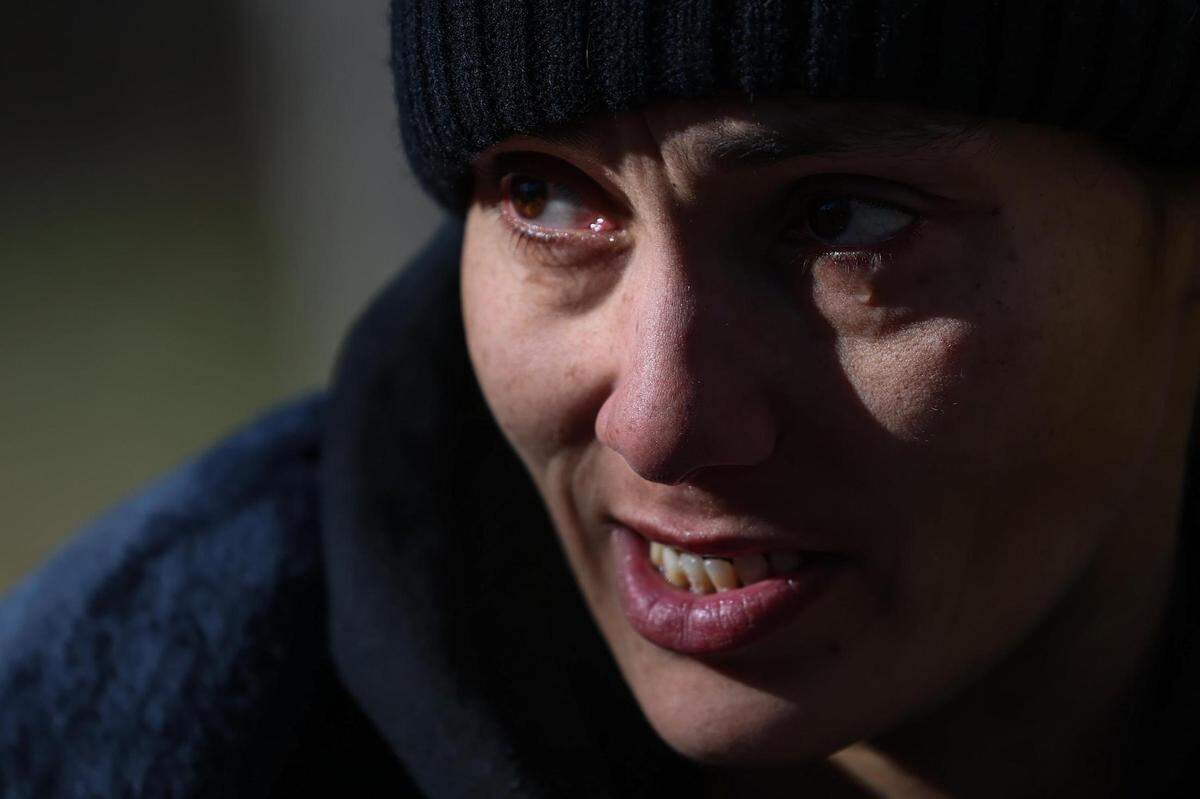
Ace, 35, has experienced regular trauma living on the streets. She recently found a friend of hers, also unhoused, had died. She’s in recovery from substance use disorder, and has been diagnosed with depression and epilepsy. Her children are being raised by her sister in Paris, TX. Last year, her beloved puppy, Tiberius, died from an infection.
Some days it’s difficult for Ace to handle all of the pain she’s experienced. That’s when, she said, she turns to Hunt or community health worker Karen Cain, both of whom are good listeners, she said.
On a recent Tuesday, Cain pulled up a photo of Tiberius that had been taken before his death to show Ace.
“I’m going to get it printed out for your new place,” Cain told Ace.
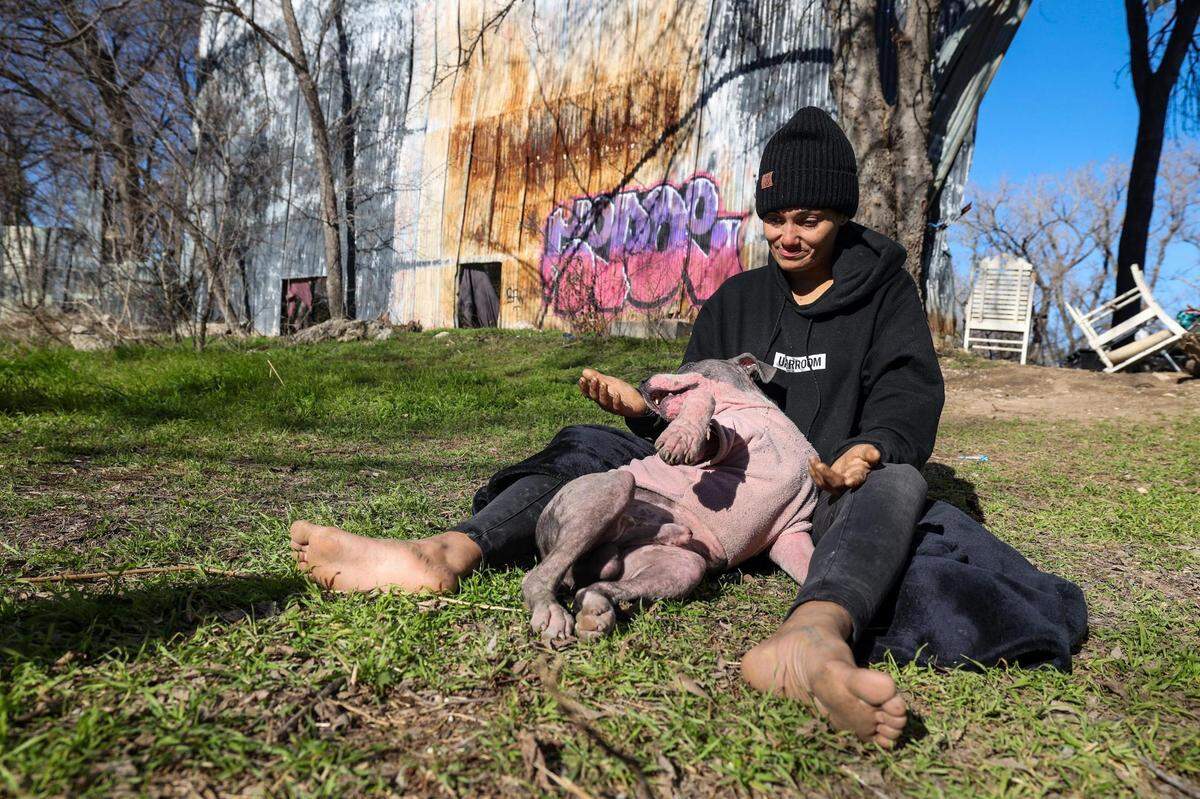
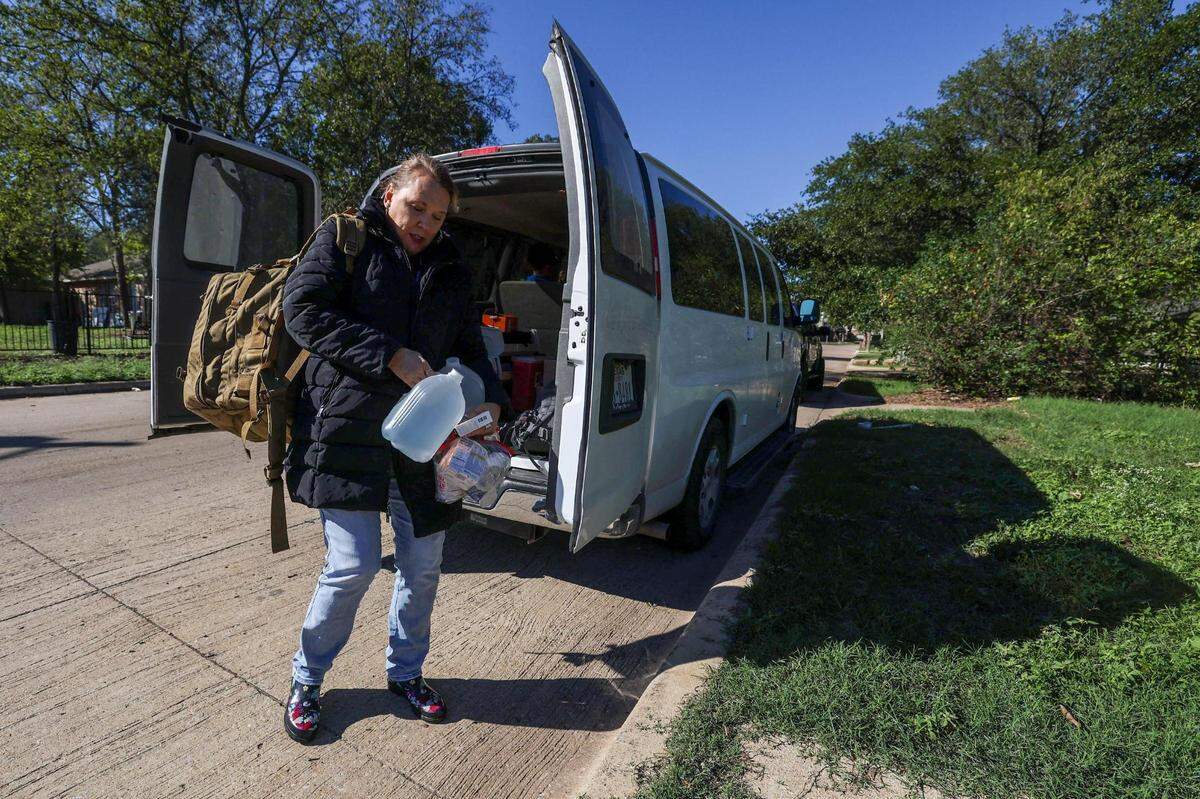
Cain also promised Ace that next time, she’d bring glow-in-the-dark stars for Ace to stick on the ceiling of her new home. Ace hopes to move into a new apartment, her first stable home in years, sometime in the next few weeks.
Once she’s moved in, she said, she’ll stick the stars on her ceiling.
This story was originally published February 2, 2024 at 6:00 AM.