
Cabbage, nuts once got more attention than candy in Fort Worth Halloween celebrations
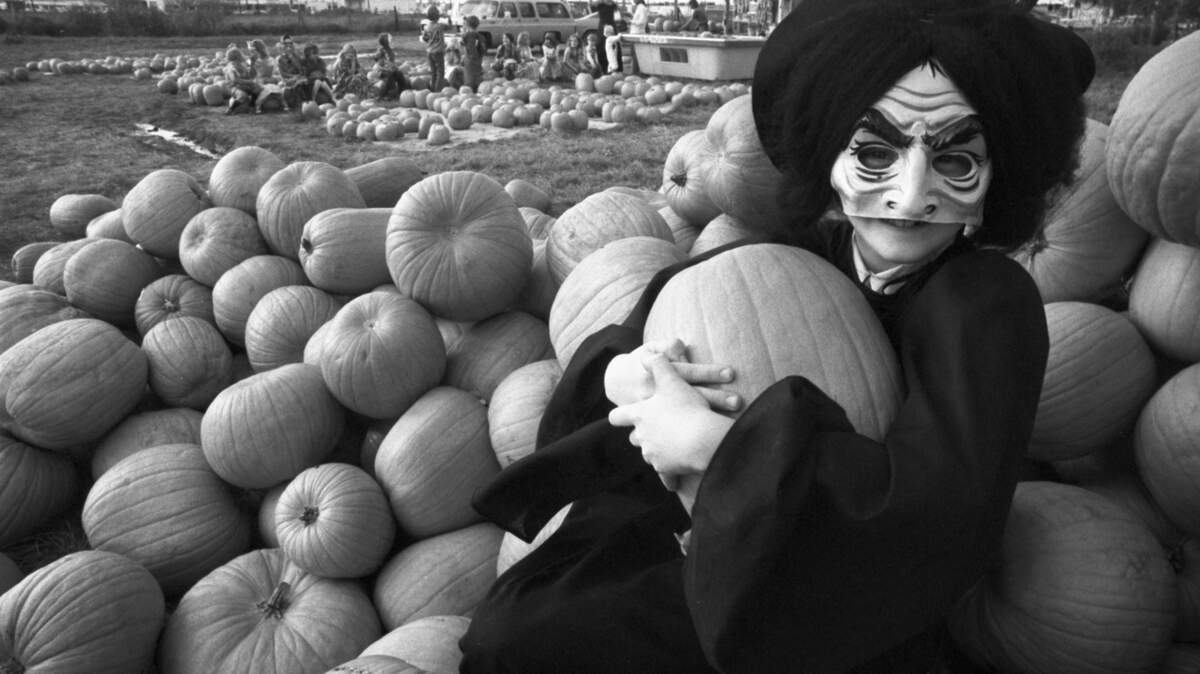
The earliest mentions of Halloween in Texas newspapers focus not on local celebrations, but on descriptions of Queen Victoria’s celebrations and discussions of Robert Burns’ poem, “Halloween.”
There are cursory mentions of demons and spirits, but a discussion about the seasonal use of cabbages as a predictor of courtship and betrothal are far more popular. Supposedly, if a girl placed a cabbage over a doorway, she was sure to marry the first young man to pass through.
In 1881, the Fort Worth Daily Democrat reproduced Burns’ poem, which listed a number of ancient spells – including the use of cabbages – to predict who would marry. One, which eventually turned into a party game, involved writing names of potential suitors on unshelled nuts. The nuts were tossed into a fire to see in which order they burst.
In a variant, the names of two suitors were written on chestnuts and placed beside the fire. If they roasted slowly, then the marriage would be happy. If the nuts cracked and “jumped apart,” there would be stormy quarrels.
As Fort Worth matured from a frontier town into a city, the Halloween party became popular.
During the late 19th and early 20th centuries, a wide variety of organizations including Fort Worth University, Broadway Presbyterian Church (now St. Stephen’s), First Baptist Church, the Lions Club, Hadassah, and TCU all sponsored Halloween parties. TCU’s party featured impersonations of prominent faculty members, and Brite College sponsored a “Chamber of Horrors.”
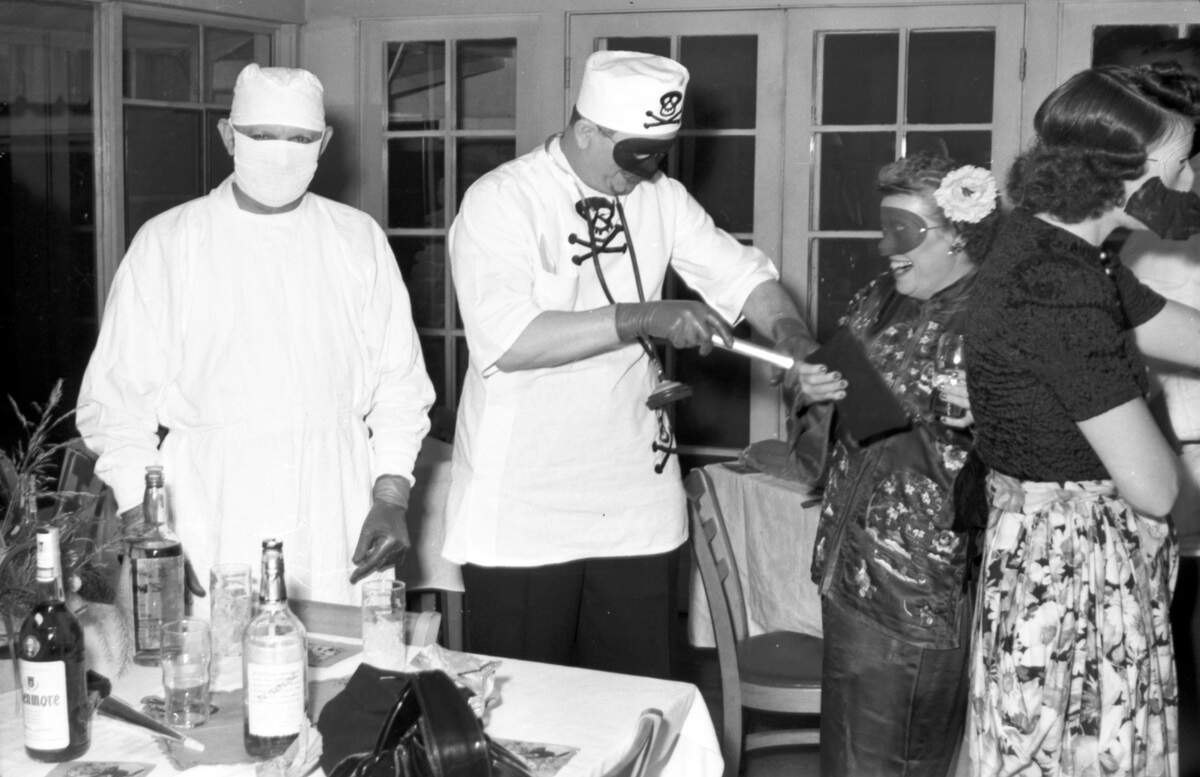
Private parties were also fashionable. Most included typical features such as costumes, buffet dinners, and fortune telling, but there were more unusual offerings. An 1899 party chaperoned by Mr. and Mrs. Frank O. Barron and Mr. and Mrs. Stuart Harrison included a trip through a new North Side oil mill with, “an inspection of its fine machinery.” There was no mention of any hired goblins but, given the location, it might have been Fort Worth’s first House of Horrors.
Commercial parties were also popular. In 1922, the Hotel Texas held a party on its roof garden, which featured three witches as greeters, a musical troupe from the Majestic Theater, and fortune teller “Senorita Amorita.” She was probably a throwback to the older tradition of predicting marriage partners.
Trick-or-treaters don’t get much coverage until the late 1940s, as suburban neighborhoods grew and downtown merchants struggled to stay afloat. In 1949, over 8,000 trick-or-treaters swarmed the central business district, getting candy from businesses along Main and Houston streets.
.jpg "20130219_Valerie_Brants_and_dog_in_costume_1952_FWST_UTA - Copy (2).jpg")
Households dispensed both store-bought candies and homemade treats. One strange recipe used prunes, almonds, and crystallized sugar colored orange. It probably wouldn’t get too many takers today.
The city didn’t take chances with Halloween celebrations. Police officers were out in force, just as they were on New Year’s Eve. In 1952 that involved 300 police officers, including all 47 motorcycle officers and an extra 50 auxiliary officers.
Television brought new publicity opportunities, and coverage. UNT has made some news stories from WBAP, Texas’ first television station, available online through the Portal to Texas History.
This 1961 Halloween story (https://bit.ly/3Fy7LY3) doesn’t have sound, but shows trick-or-treaters on the East Side, a Jaycees Halloween party at John Peter Smith Hospital, a James Junior High School choir practicing songs like “Trick or Treat,” and Hogue the clown showing his rabbits to Peggy McQueen.
All in all, it’s still treats and fun rather than any threats from ghosts or goblins.
Carol Roark is an archivist, historian, and author with a special interest in architectural and photographic history who has written several books on Fort Worth history.
This story was originally published October 28, 2023 at 5:00 AM.