
Fort Worth Airbnb, Vrbo operators sue the city over new rules regulating their businesses
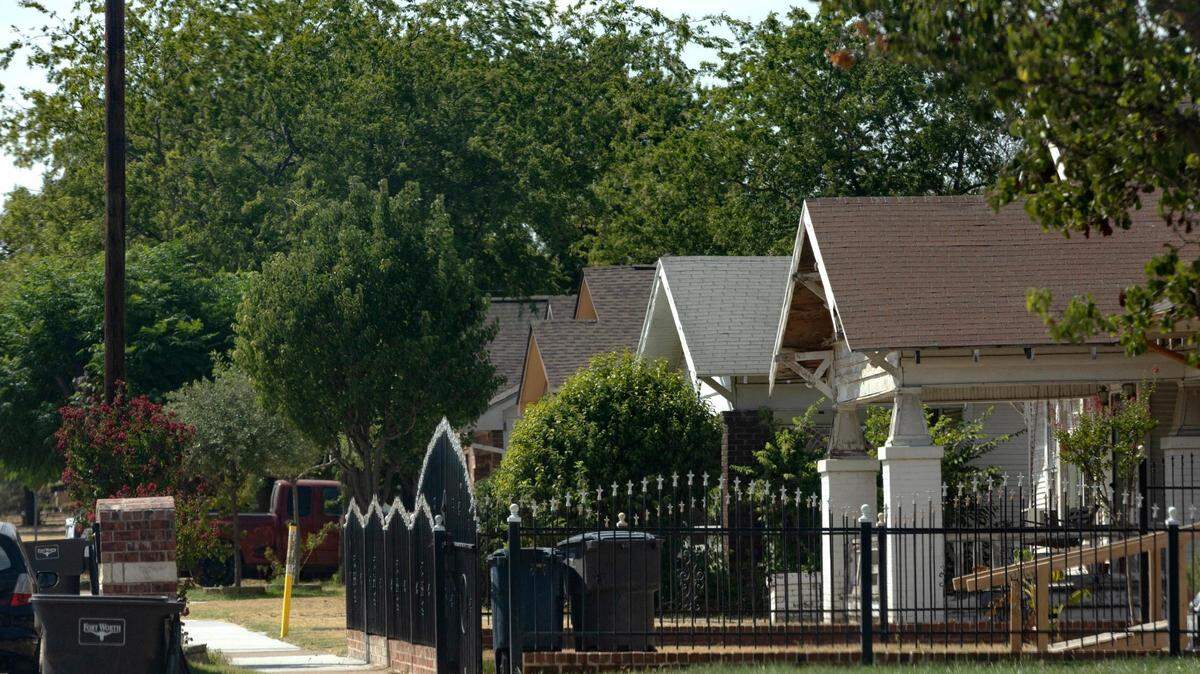
Fort Worth’s short-term rental operators are suing the city over new rules they say violate economic liberty and private property rights.
It comes five months after the Fort Worth city council passed new rules requiring short-term rentals, like those listed on platforms Airbnb and Vrbo, to register with the city, pay hotel taxes, and comply with city zoning regulations.
“Property rights are fundamental, protected by the Texas Constitution and the path city council members and staff has chosen is not only an overreach, but it’s unconstitutional,” said a press release from the Fort Worth Short Term Rental Alliance, a nonprofit advocacy group.
Over 100 property owners and limited liability companies have signed onto the lawsuit, including Lauren Brady, founder of the short term rental alliance. The group’s press release alleges more would have joined, but feared harassment from the city officials.
“Unfortunately, and disturbingly, code compliance officers using monitored surveillance have wrongfully accused me of being uncompliant when evidence proves otherwise,” Brady said in the press release.
The group is asking the court to block the city from enforcing its short-term rental rules.
The city’s short-term rental rules balance the preservation of neighborhoods with support for tourism, a spokesperson wrote in an email to the Star-Telegram, adding, “the City looks forward to vigorously defending this lawsuit.”
The city did not respond to a question about Brady’s harassment allegations.
Fort Worth defines short-term rentals as any property rented out for less than 30 days. The city passed rules in 2018 banning short-term rentals from residential neighborhoods, like Arlington Heights or Como, but allowing them in mixed use districts like the Near Southside and downtown.
Those rules were difficult for the city to enforce, requiring code compliance officers to dedicate exhaustive investigative resources to prove individual violations, according to a December 2021 city report.
The city council tried to simplify enforcement by adding new registration rules in January. It’s now a code violation to advertise a short-term rental in Fort Worth without first registering with the city.
So far 27 properties have registered with the city, according to a page on the city’s website.
The city’s rules to not entirely prohibit short-term rentals from operating in residential neighborhoods. Property owners in residential neighborhoods who want to operate a short-term rental can petition the city for a zoning change.
The city denied the first of these petitions in May after the Como neighborhood rose up in opposition.
This story was originally published June 15, 2023 at 4:29 PM.
.jpg)