Clergy urge federal probe into Tarrant Jail death after Star-Telegram investigation
[Lea este artículo en español]
Nearly two dozen clergy are urging Tarrant County commissioners to seek a U.S. Department of Justice investigation into the death of Robert Miller, who died in 2019 after being pepper-sprayed three times in the county jail.
A Star-Telegram investigation in October cast doubt on the county medical examiner’s findings that Miller, 38, died of natural causes from a sickle cell crisis. A review of medical records and interviews with sickle cell experts found that Miller almost certainly didn’t have the disease. The newspaper uncovered evidence that suggests Miller may have died as a consequence to how he was treated in jail.
After the story published, county leaders said they would enlist an outside medical examiner to review Miller’s autopsy results. Commissioner Roy Brooks said that the review would determine “what the next courses of action are.” On Tuesday, County Judge Glen Whitley said commissioners will vote on a contract to hire the third-party examiner during their next meeting on Dec. 6.
The clergy are pushing for action sooner.
Their letter, signed by 23 members of the Circle of Clergy, was sent to county commissioners on Monday, according to Ryon Price, Broadway Baptist Church’s senior pastor.
“We write to you as members of the Circle of Clergy, an interfaith collaboration working for racial justice and unity in Fort Worth and beyond,” the letter starts. “Having read the recent Star-Telegram reporting of Nichole Manna, we are deeply troubled over the circumstances of the 2019 in-custody death of Mr. Robert Miller and call upon the County to request a Department of Justice investigation of the death in the Tarrant County Jail and its initial review by the Tarrant County Medical Examiner and the Texas Rangers.”
The letter points to several questions raised by the Star-Telegram that an external investigation could answer, including when jail staff sought medical attention for Miller, why an initial report failed to mention he was pepper-sprayed multiple times, and why the call to medics was put out as a possible drug overdose.
“The Star-Telegram article suggests Mr. Miller’s civil and human rights may have been violated and that criminal negligence could be culpable in both his death and the subsequent review of his death,” the letter says. “Given these grave considerations, an independent DOJ review is both appropriate and necessary.”
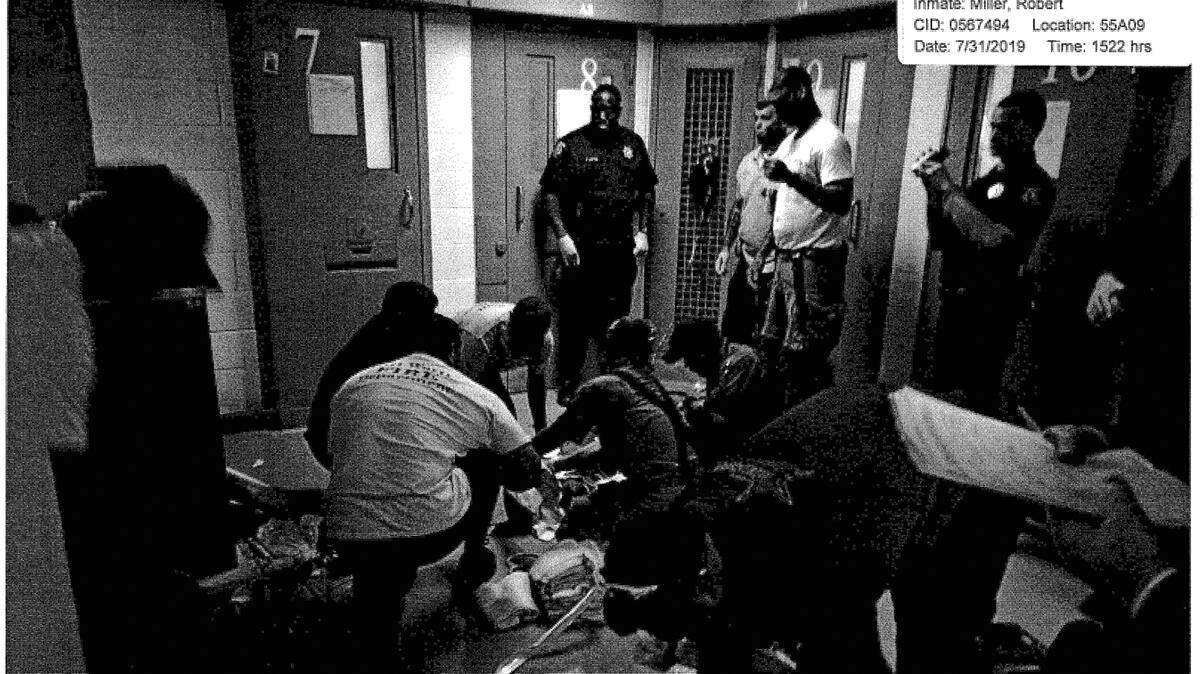
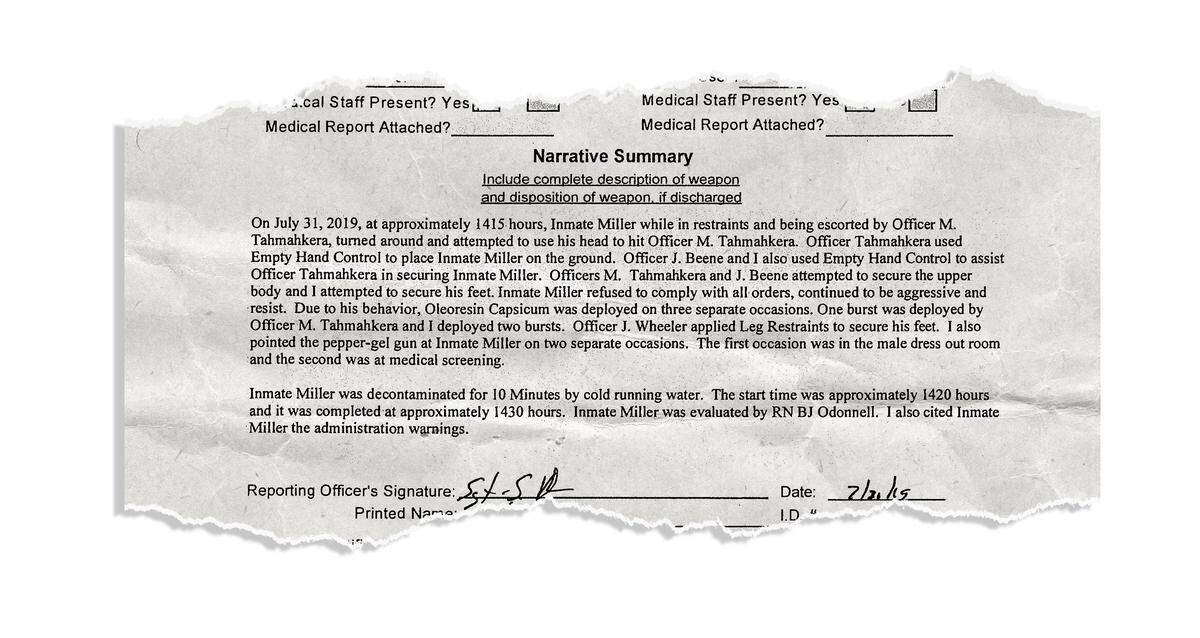
Sheriff’s officers had pepper-sprayed Miller, who was homeless and suffered from mental illness, at least three times at close range while he was being booked. He was found unconscious and face-down in his cell 38 minutes later.
The Star-Telegram consulted with outside experts in medicine, pathology and sickle cell anemia who said Miller almost certainly did not have the blood disease.
Star-Telegram’s investigation
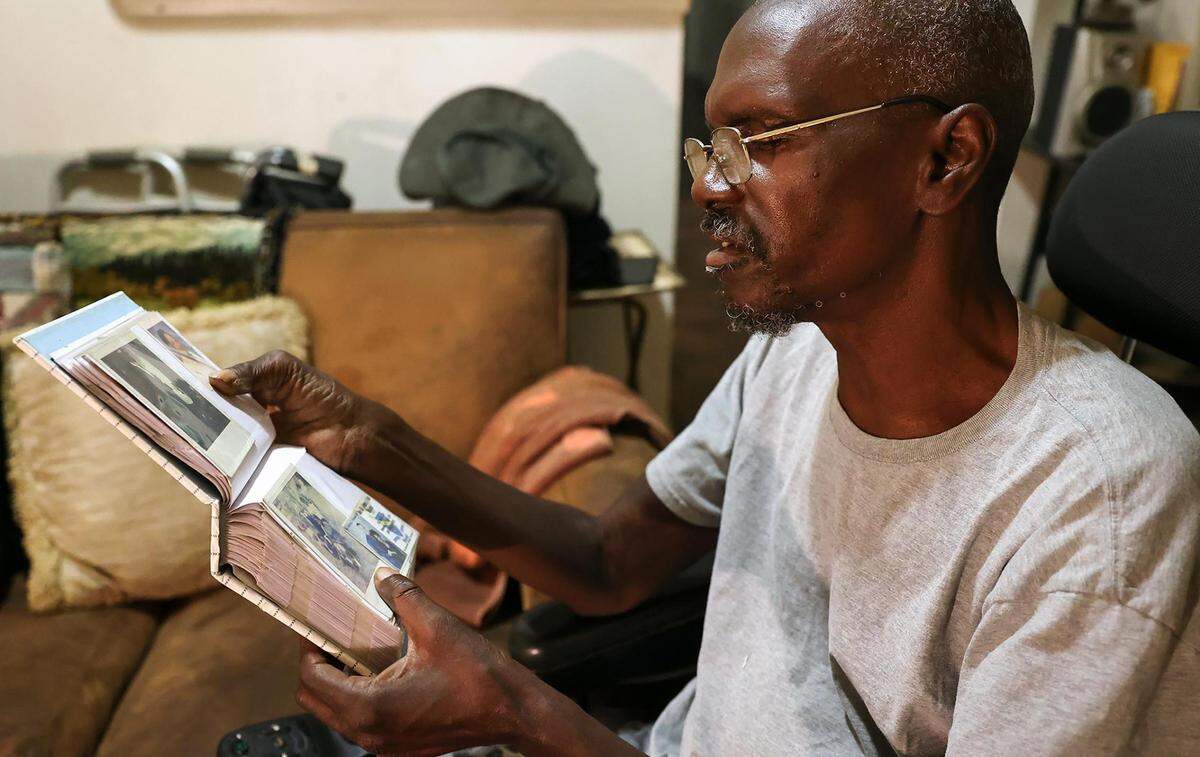
In reviewing the case, the Star-Telegram obtained jail witness statements, Miller’s hospital records and other documents that were part of an internal Texas Rangers report. The medical experts consulted by the Star-Telegram said it would be nearly impossible for an adult to have sickle cell anemia and not know it. Miller’s wife and father confirmed that he was not afflicted with the disease.
Hannah Lichtsinn, an internal medicine doctor and sickle cell expert in Minnesota, is one of the experts who reviewed Miller’s hospital records. Lichtsinn said the doctors at John Peter Smith Hospital in Fort Worth tested Miller’s blood and noted his red blood cells were healthy, not anemic where they could deprive him of oxygen.
“I can tell you his kidneys were healthy until he had his cardiac arrest,” Lichtsinn said, describing her observations from the hospital records. “I can tell you that his blood counts were pretty normal until he had his cardiac arrest, and so was his liver. I can tell you that he wasn’t on drugs. And I can tell you he didn’t have sickle cell anemia.”
The newspaper’s findings also question the thoroughness of Texas Ranger Trace McDonald’s investigation into Miller’s death, which was closed when the autopsy report found natural causes. Records don’t indicate whether McDonald discussed Miller’s condition with JPS Hospital, where Miller was treated and died. McDonald’s report also contained inconsistencies between the jailers’ accounts of what led to the pepper-spraying.
How Miller ended up in jail
Fort Worth police arrested Miller on July 31, 2019, after someone complained about a panhandler.
The officers discovered that Miller had years-old misdemeanor warrants related to his homelessness and intended to take him to a city jail, where he likely would have been cited and released.
But Miller grew angry when the officers wouldn’t allow him to clean up his camp. He repeatedly kicked a patrol car door and said he hated the police. An officer got an estimate from the city’s body shop on the damaged door that was $1 over the threshold to charge Miller with a higher misdemeanor and book him in the Tarrant County Jail.
He was pepper-sprayed during the intake process and complained to a nurse that he couldn’t breathe. He went into cardiac arrest shortly after.
The Sheriff’s Office declined to answer questions about the Star-Telegram’s investigation. The Medical Examiner’s Office and the Department of Public Safety, which oversees the Texas Rangers, also declined to comment.
This story was originally published November 22, 2022 at 7:36 AM.