
This South Side Fort Worth icon used baseball to keep kids out of trouble. Here’s how.
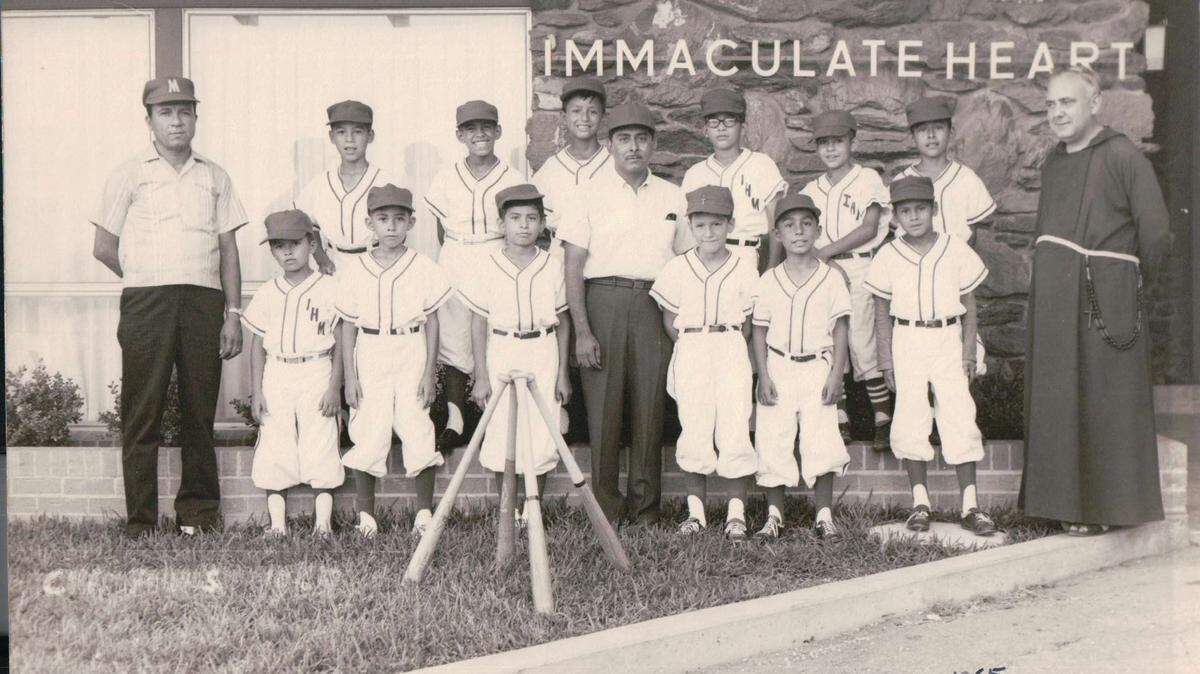
The sight of idle youth running Fort Worth’s South Side streets in the early ‘60s troubled Ciquio Vasquez, a life-long Worth Heights resident.
Latino south and north side gang fights and a shooting at Technical High School roused him to action. As a devout member of Immaculate Heart of Mary Catholic Church on Pafford Street, and baseball enthusiast, Vasquez surmised that supervised ball field competition offered barrio youth redemption.
A machinist for Martin, Sprocket & Gear, he worked an eight-hour shift, five days a week, unlike many other Worth Heights dads who worked 12-14-hour shifts at North Texas Steel. Without fathers who could play ball or interact with their children after school, youth lacked adult male supervision. Vasquez was aware that other Fort Worth neighborhoods had Little League teams like the West Side Lions and University League. Worth Heights was an after-school baseball desert, lacking ball fields, equipment, teams, and coaches.
Vasquez spread the word throughout Worth Heights that he and his brothers Paul, Magdeleno, Ernest, and Pasquel were coaching Immaculate Heart of Mary baseball teams. Youth gathered, including his sons David and Victor, in front of the church on game days. Vasquez and his wife Josefina transported a team in two cars, his ’62 Chevy Impala, and her ’55 Bel Air. In the ‘60s, the Immaculate Heart team won the Catholic Athletic League championship several years in a row.
Vasquez solicited donations and discounts from sports stores and businesses to buy uniforms, gloves, balls and bats. Jim Bridges Sporting Goods proved a generous sponsor. Dick and Gabriel Salinas, south side entrepreneurs and neighbors, donated funds.
After the Worth Heights teams joined the Fort Worth Park & Recreation Program, they played at Rockwood, Bunche and Forest Park baseball fields. Although the Fort Worth Zoo was three miles away and offered free admission, many Worth Heights youth had never been to the zoo. When the zoo expanded its entrance parking lot, demolishing their ball fields, Vasquez hustled for other ball parks.
Vasquez built several neighborhood fields with the help of barrio volunteers, the Fort Worth Police Association and the Fort Worth ISD. They first played in an empty lot at Pafford and May streets. Then they moved to the 3200 block of Jones, and with FWISD board approval, they built a field at Worth Heights Elementary School.
Vasquez sought to expand the baseball enrichment by chartering with Little League Inc. He formed the South Side Little League in 1976, which included teams from Rosemont, Near South Side and Carter Park neighborhoods. However, Little League stressed they had to play in a regulation size field for official standing.
Vasquez first applied with the city of Fort Worth through a bond package in 1970 to purchase Echo Lake for the development of a ball field. When the bond package failed, he turned to County Commissioner Dick Anderson for assistance. Echo Lake at the time was an illegal dump yard filled with abandoned cars, refrigerators, and high weeds. Anderson successfully secured a Texas Park & Wildlife grant in 1975 for the south side ball fields. In 1976, Anderson issued a proclamation, naming one of the Echo Lake Park ball fields for Ciquio Vasquez.
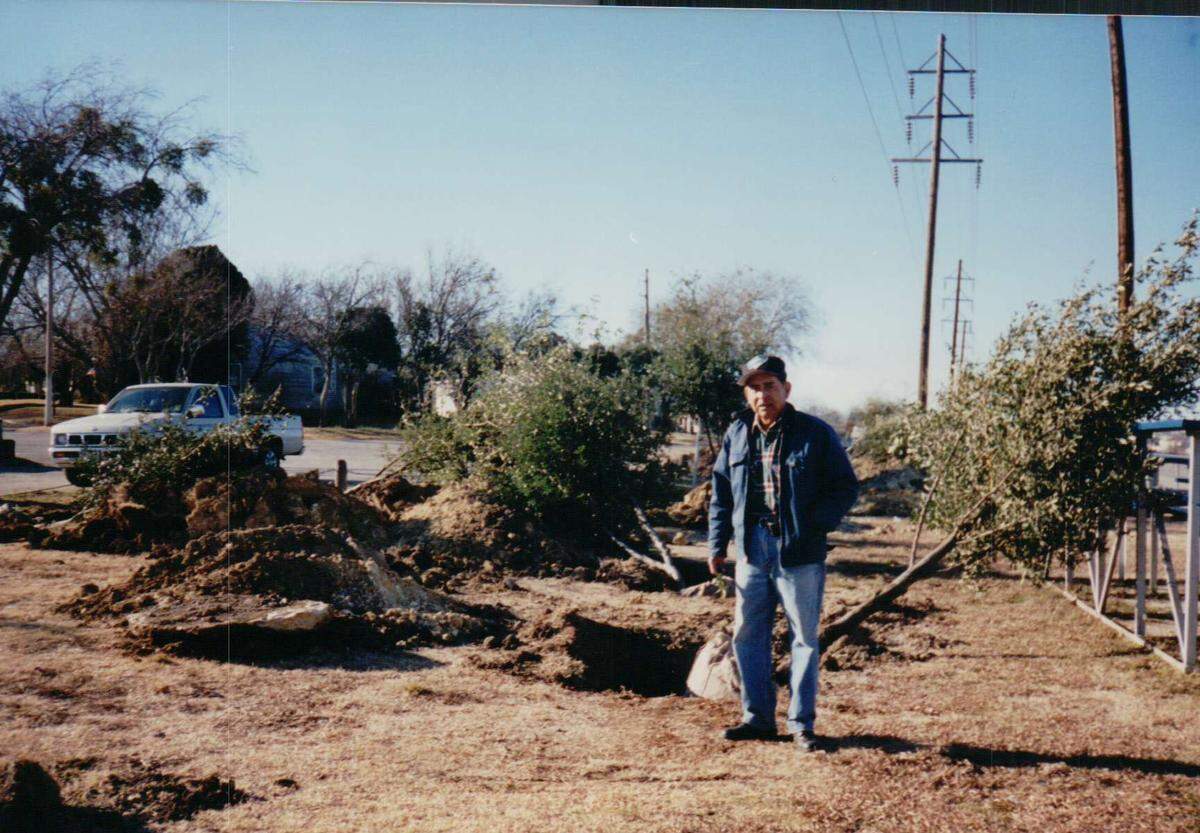
Through the years, Vasquez grew the South Side League, recruiting coaches, parents, and community volunteers to manage teams, and maintain fields. He beautified the park with the planting of trees that he obtained through a grant from Fort Worth Tree in 2002.
Hundreds of Latino youth who would not have had the chance to play ball without Vasquez’s leadership enjoyed the excitement of regulation Little League ball playing. The experience prepared barrio youth to play on high school, college, and minor league teams. Worth Heights youth now participated in a school activity that stressed earning good grades, staying in school, and learning how to play as a team member.
Some former players have asked Vasquez’s son David Vasquez, “How’s the ‘62,” referring to Ciquio Vasquez’s car. They also confided that Ciquio Vasquez was more of a father than their own dads. Latino Little Leaguers grew into successful businessmen, elected officials, fire fighters and police officers. Paul Gonzalez, who played in the South Side Little League, was recently appointed as the Australian Baseball League general manager.
The Fort Worth City Council renamed Echo Park for Ciquio Vasquez on June 14, 2022. It also voted to name the soon to be built baseball field complex for Patrick Zamarripa, a Dallas police officer who was killed in the line of duty on July 7, 2016. A Fort Worth native, Zamarripa also played in the South Side League.
Ciquio Vasquez died on July 31, 2012, working to the end, maintaining Immaculate Heart of Mary Church and ball fields for la buena vida/the good life.
Author Richard J. Gonzales writes and speaks about Fort Worth, national and international Latino history.
This story was originally published July 23, 2022 at 5:00 AM.