
Pro baseball in Fort Worth was once a brawling affair - for players, fans and umps.
In recent years hardcore baseball fans in Fort Worth have lamented that their fellow citizens don’t support the local team. The major-league Rangers often play to half-empty stadiums, and the minor-league Cats folded in 2014.
It was not always so. In the early 20th century, Fort Worth baseball meant the Panthers of the Texas League (aka, the “Cats”). Fort Worth was a charter member of the league when it formed in 1901. In the years following, 5,000 or more fans regularly turned out for games in a city of just 73,000 population – but never on Sundays because that was the Lord’s Day in the Bible Belt.
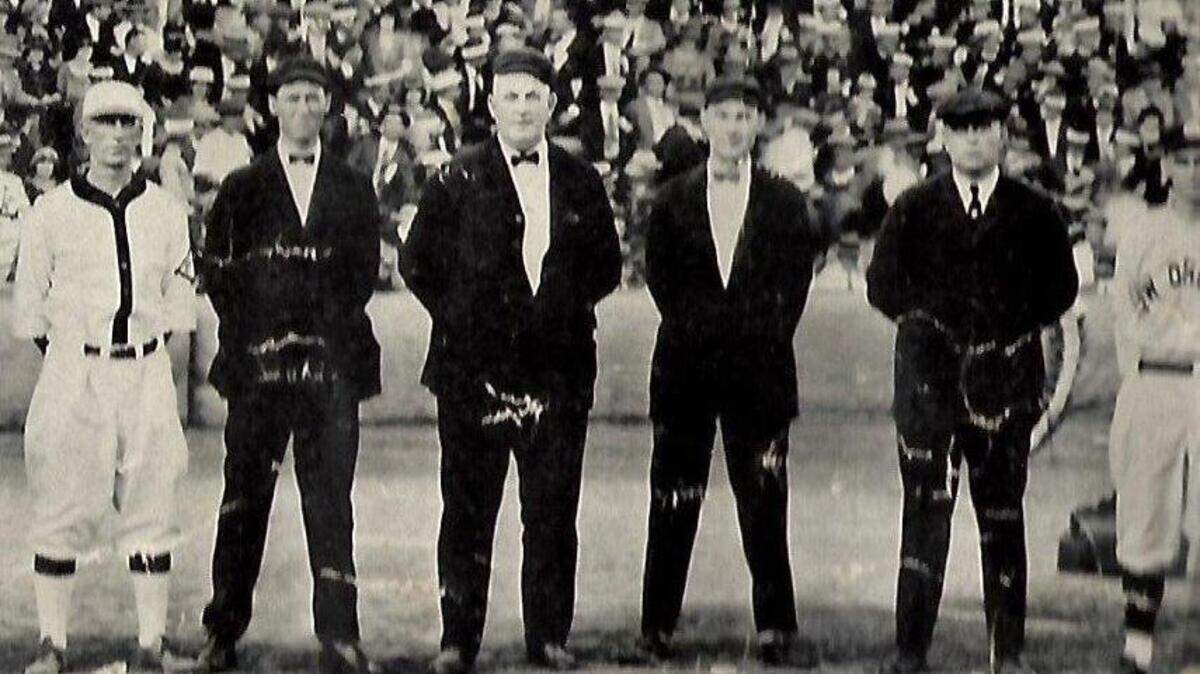
Fans cheered the local boys and sometimes stormed the field to express their team loyalty more directly. Described as “rumpuses,” “brawls,” “mix-ups,” and sometimes “riots,” those dust ups earned the local boys the name “rowdy Panthers.” Brawling, it seemed, was part of the minor league experience for fans, most likely to occur when the Panthers played their cross-Trinity rivals, the Dallas Giants. Those altercations were so serious, two or more police officers were assigned to every game.
Fans became most demonstrative over what they considered bad calls, and newspaper reporters who covered the games made it a practice to stir the pot, excoriating an umpire for “losing” the game for the hometown boys. Not only did reporters question the eyesight and integrity of umpires, they named names, and no umpire was more hated by Fort Worth fans between 1908 and 1912 than Frank Harbuck. Panthers President William H. Ward, whose principal business was running the White Elephant Saloon, begged the league president to fire him, or at least not assign him to Panther games. Harbuck kept his job and continued to work Panthers games.
It didn’t help that Texas League baseball rules allowed umpires not just to eject a player but to fine him on the spot – as much as $5. If he didn’t pay up, he faced suspension. A questionable call followed by the ejection of the protesting player or manager plus a fine could provoke a donnybrook on the field. Texas League baseball resembled the modern description of the fan experience with hockey: “I went to a fight and a hockey game broke out.”
Harbuck was involved in perhaps the worst on-field altercation in Fort Worth baseball history on Friday night, May 29, 1908. It started in the fifth inning when Harbuck ejected and fined Panther pitcher Ed Griffin for objecting a little too heatedly to a call. At the time Griffin was coaching third base. “Angered beyond control,” according to a Fort Worth Telegram reporter, Griffin charged the umpire and began pummeling him. Two fans ran onto the field and joined the attack, one beating Harbuck over the head with the broom used to sweep off home plate. The umpire gamely fought back until officers led by Detective Sebe Maddox managed to “quell the disturbance.” Afterward, Maddox filed charges against both Griffin and the two fans.
On Saturday, the three were arrested and ordered to appear in police court on Monday. Ward, the Panthers’ president, promptly posted bond for Griffin so he could be on the mound Monday. Harbuck who was scheduled to be behind the plate again Saturday demanded that Robbie, the league president, suspend Griffin. Ward “strenuously” objected to his pitcher being suspended, and Robbie decided
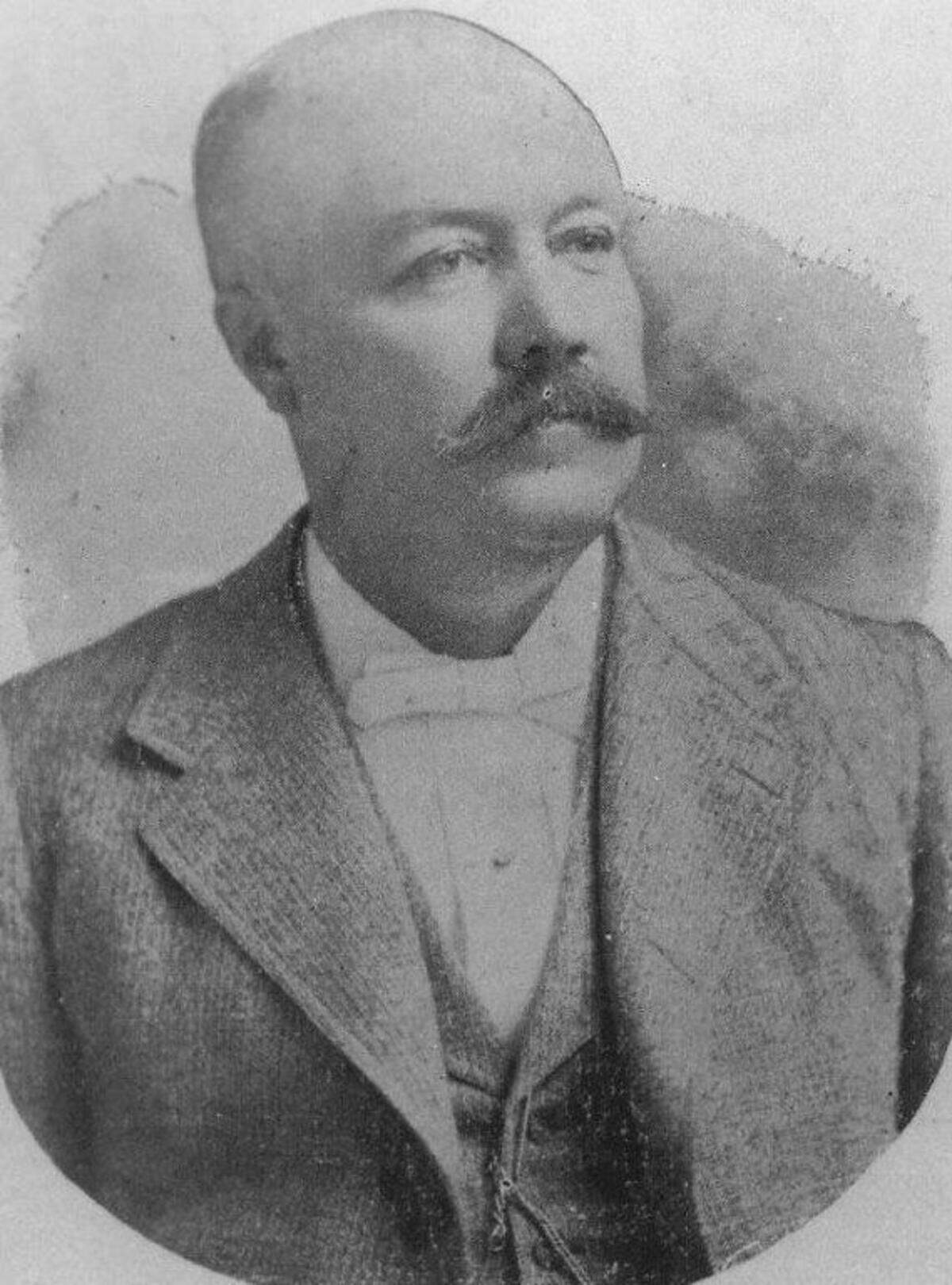
He did lament to the Telegram that getting good umpires was “the greatest trouble I have,” understandable under the circumstances. On Saturday, attracted by the news of the previous night’s brawl, a bigger-than-usual crowd showed up for the game. Many of them came to boo Harbuck, hoping to see him “get his face punched again.”
For nine innings they razzed him mercilessly, chanting, “Get the broom!” as soon has he appeared. If they were hoping for extracurricular action, they were disappointed, though the Telegram reporter said afterward Harbuck continued to make “bad decisions,” meaning against the home team. The reporter wrote the umpire was “lucky” he didn’t get a second beating.
When the case came up in court, Judge George Steere fined the fan who wielded the broom $1 plus costs and dismissed the charges against the other. He set a trial date for Griffin.
Meanwhile, the Panthers next game was in Shreveport against the Pelicans, where they found Harbuck behind the plate again. When the Pelicans won the game, the Fort Worth reporter wrote that he spitefully threw the game to the Shreveport boys. Peace reined on the field, however. Perhaps fortunately, the game was called in the sixth inning on account of rain. The Fort Worth writer reported the score as “5 to 1 in favor of Harbuck.”
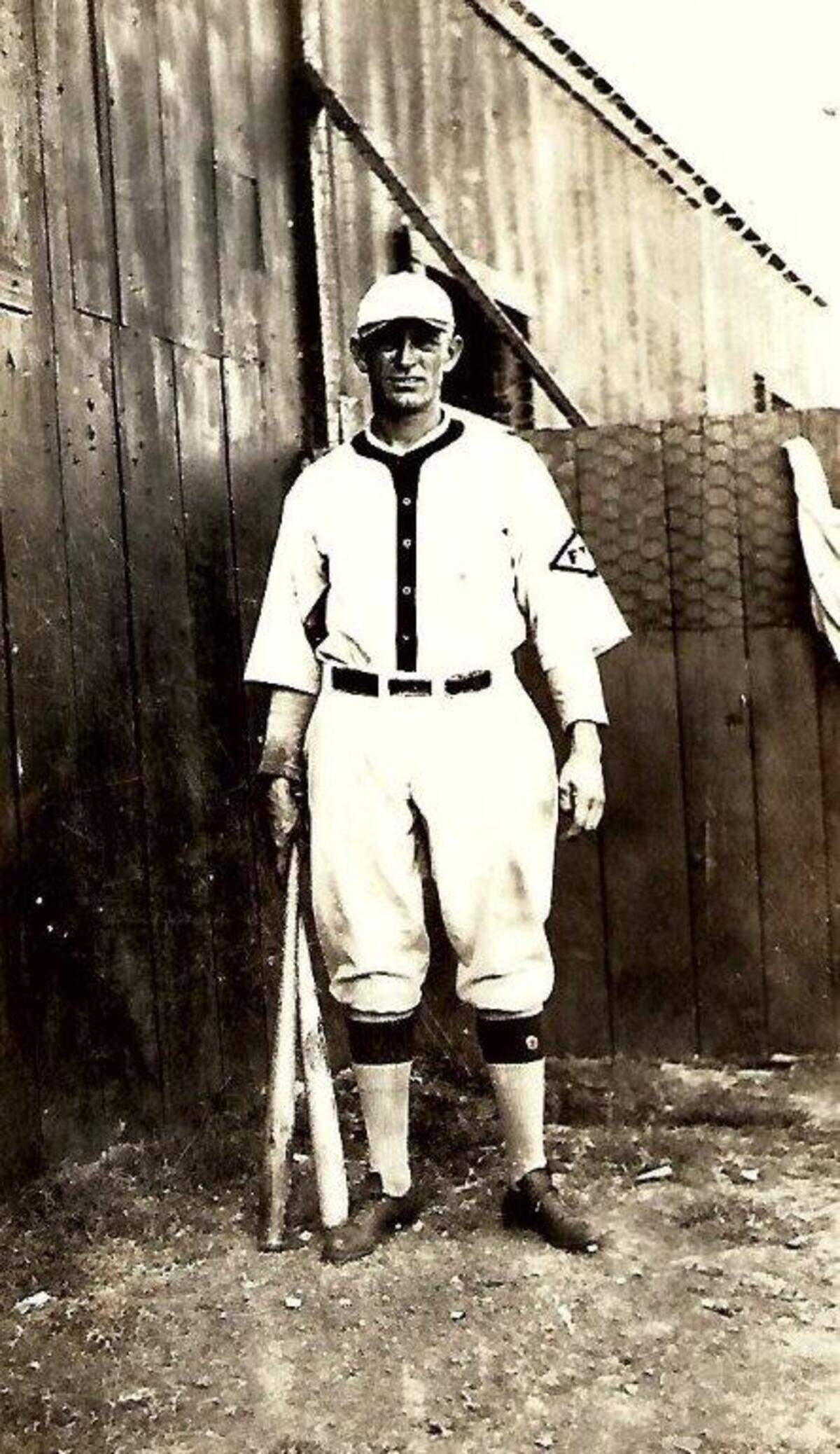
The “rowdy Panthers” were back in action on Sept. 4, 1910, when they “walloped” the Dallas Giants and “tried to annihilate” the game’s umpires. The Star-Telegram reporter said the umps had been “huge jokes” all season, and the hometown boys “lost all control of themselves” as a result. It turned into another “free-for-all” as fans poured out of the stands, and it took police 10 minutes to bring things under control. Not coincidentally, Fort Worth was on the losing end of the score.
The Panthers and Giants made the news again in April 1917, though not on the sports page. Fort Worth officers assigned to the game included veteran officer Bill Dearing. All was quiet until the fourth inning when a Dallas batter was hit by an errant pitch. He started toward first base, but the umpire ordered him back to the plate to continue his at-bat. The Dallas manager came out to protest. After a brief argument, the umpire tossed him and when he refused to leave the park motioned for Officer Dearing to enforce the ejection. Chaos ensued. Dallas fans stormed the field in support of their manager, and in the resulting scuffle, Dearing suffered a beating that included a dislocated knee.
Things did not improve much in the years following. In July 1921, the Panthers were playing the Dallas Giants again, and Panther manager Jake Atz was on the sideline “making life miserable” for Dallas pitcher Dan Tripple. Without warning, Tripple turned and fired a fastball at Atz’s head. Atz ducked, the crowd howled, and the Fort Worth reporter at the game led off his report with the incident before getting around to describing the game itself. He also called for Tripple to be prosecuted by the authorities. But of course, that didn’t happen.
This was just Texas League baseball.
Author-historian Richard Selcer is a Fort Worth native and proud graduate of Paschal High and TCU.