
Baseball fever spread through Fort Worth’s Mexican neighborhoods in the 1950s and ’60s
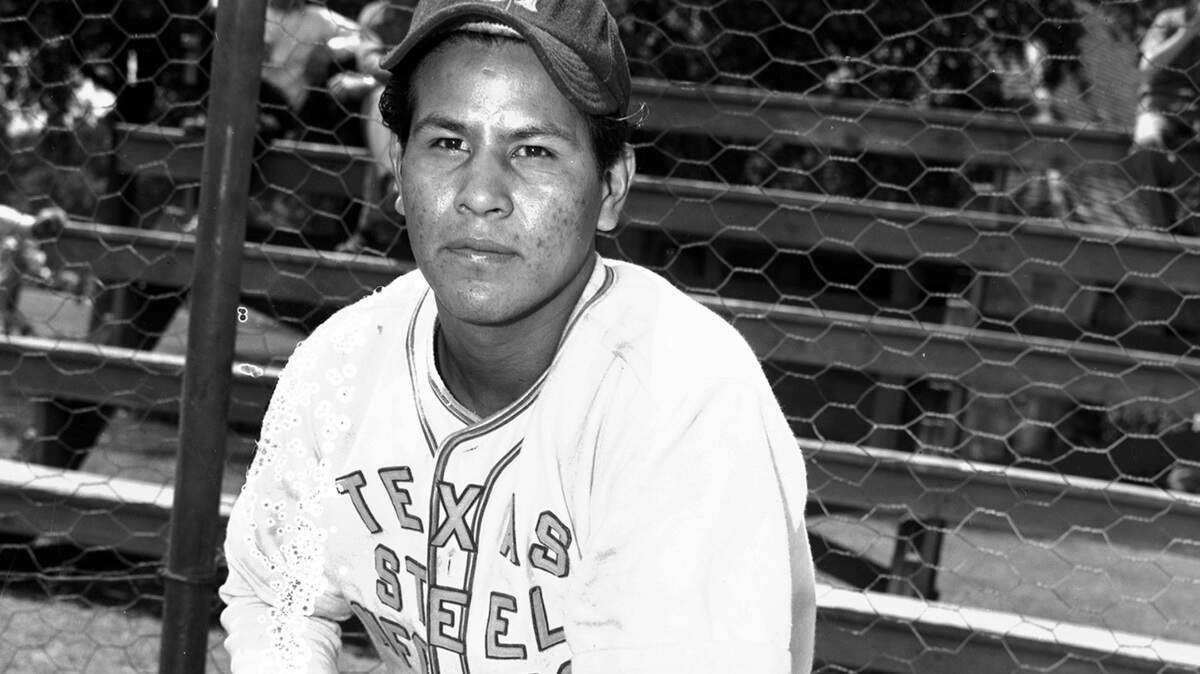
Since the 1930s, Fort Worth Mexican immigrants and their descendants have enjoyed playing baseball in sandlots, open fields, and sometimes on city diamonds.
After watching white and Black people hitting the ball, running bases, and sliding into home plate, Latinos took up the game with brio. Initially, they used sticks for bats, stones for bases, and makeshift gloves. In time, they raised money to purchase proper gear.
Mexican workers from Texas Steel on the south side played in a field at the corner of Alice and Pafford streets. On Sunday afternoons, howls and cheers erupted during fierce games between Latino teams from city barrios: Northside, TP, Rock Island, Worth Heights. They also played white and Black teams from Dallas, Mansfield, Arlington, and from surrounding towns like Wichita Falls, Bridgeport, Mineral Wells, and Cleburne.
As baseball fever spread to the Fort Worth barrios in the 1950s and ‘60s, more teams took to the field: Los Lobos, Knights, Tigeres, Braves, Diablos, Motorolas, Indios, Apaches. Some Fort Worth Black ball clubs that played Mexican teams included the Warriors, Comets, Tigers, and Stop Six.
Tony “Mocker” Castillo, 75, born and raised in Fort Worth, recalled his uncle Angel Castillo, also a Fort Worth native, coaching the Apaches from the 1940s to the 1960s. His uncle mentored him on baseball skills and how to manage a team. He was a demanding coach, telling his players it was never acceptable to strike out.
His Mexican players called Angel “Cuate” or twin because he had a twin brother. Black players called him Angelo and Tony Little Angelo.
When the work day ended at Texas Steel at 3:30 p.m., baseball-playing steel workers ate a quick taco and practiced for two hours on Tuesdays and Thursdays. Mocker Castillo later learned his uncle secretly paid better players $20 a game.
Angel Castillo attracted talented white players to the Apaches, including high school and college coaches and a police officer. When someone asked Angel why his team wasn’t all Mexican, he answered, “The Yankees didn’t have an all-white team.”
A brief article in the Fort Worth Star-Telegram, June 4, 1960, reported the Apaches would play a double-header with the Equipe 22 de Piedras Negras of Coahuila, Mexico at La Grave Field. Bob Waggoner was scheduled to pitch the first game for the Apaches. Admission was $1.25 for adults and 50 cents for children.
Angel Castillo hustled every year to raise money to buy baseball equipment for the Apaches’ playing season: May to Labor Day. As a teen, Mocker Castillo accompanied his uncle while he solicited money mainly from Mexican- and Black-owned bars. Sitting at a table with a 7UP, he observed his uncle pitch the request and offer to print the business’ name on the uniforms. The most generous donor was the Mexican-owned bar, Presidio, located at Lancaster and Interstate 35, catering to Black patrons.
Mocker Castillo found his uncle and baseball a welcome relief from what was at one time an abusive home life. Raised later by his grandmother in Worth Heights, he found work at Texas Steel at 17 as a result of his uncle’s request to the owners.
After three generations of playing barrio ball, the Mexican sandlot enthusiasm waned. In its halcyon days, Fort Worth Sunday béisbol brought multi-racial teams together in a mutual love for the game and Mocker Castillo a chance for a better life.
Author Richard J. Gonzales writes and speaks about Fort Worth, national and international Latino history.