Fort Worth hospital creates ‘chief diversity officer’ position. Here’s what that means.
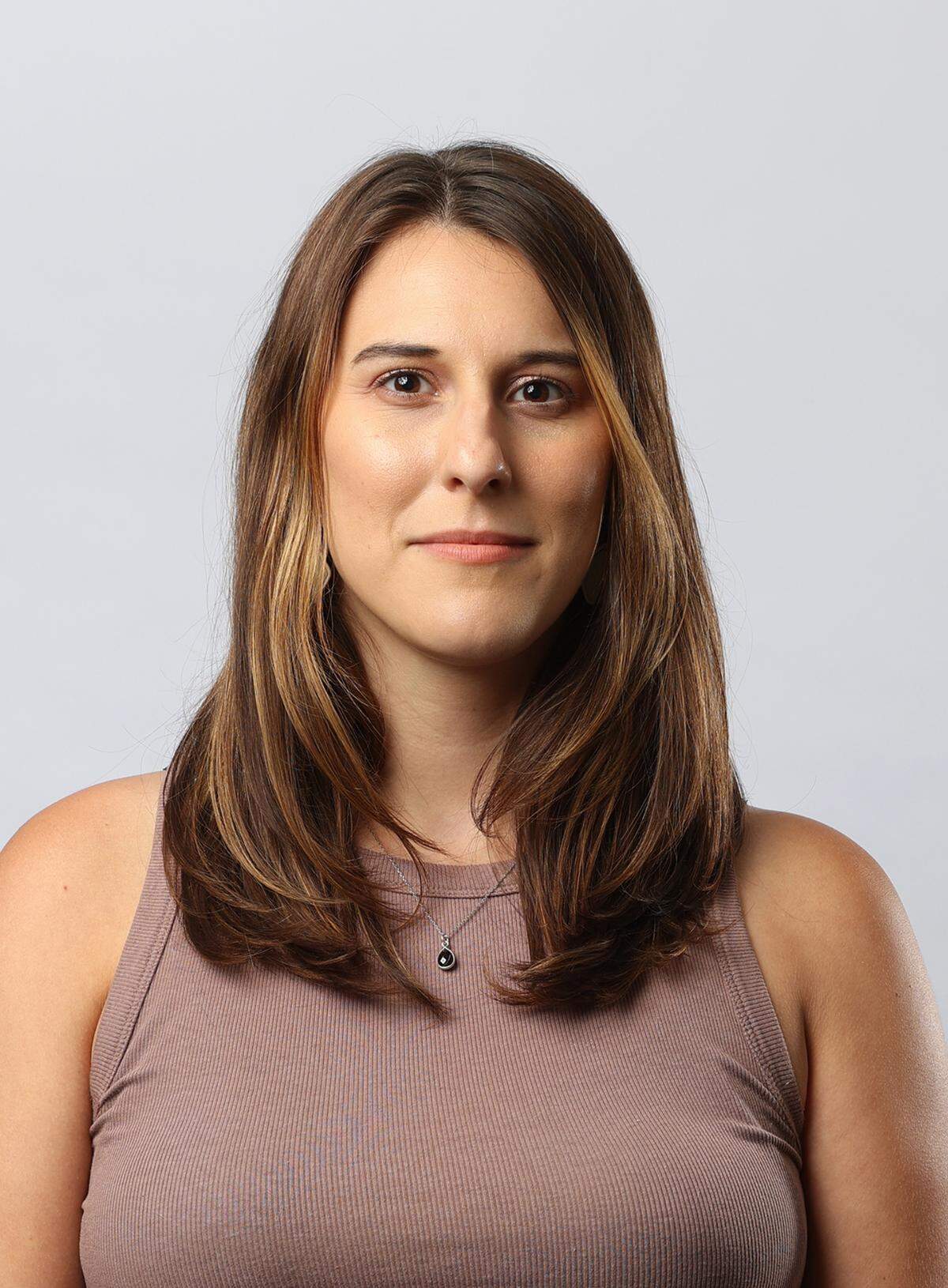
The title “chief diversity officer” might be new for Cook Children’s Medical Center in Fort Worth, but the position seems like a role Winifred King was always meant to take.
After George Floyd’s death and the subsequent protests, Cook Children’s decided to further its efforts of creating equity and inclusion in Fort Worth, King said. In August, the hospital’s CEO announced the creation of the diversity officer position, and later revealed that King would be the one to fill it.
“I’ve always been impressed with Wini’s love for Cook Children’s and her desire to do the right thing for our patients, their families and our staff,” said CEO Rick Merrill in press release. “She understands the importance of honest conversation and has always pushed for the integrity of this institution. I believe she will bring her passion for this place and its people to this new role.”
And King, who has worked at Cook Children’s for 13 years, already has big plans for how her role will help the entire Fort Worth community.
“We’ve always given good care, but now we’re going to give exquisite care,” she said. “We’re going to put our arms around (patients) in a way that we never have before.”
Originally from Oklahoma, King has jumped from being a TV reporter to doing PR work for Walt Disney World to her most recent position as assistant vice president of public relations, corporate communications and social media for Cook Children’s. All of her roles have centered on one of her greatest passions — telling stories. She plans to approach her new position the same way.
“Storytelling can be very, very powerful,” she said. “I think utilizing that expertise will help us tell a story about people and how they feel and the way they live in a way that our internal audience has never seen before.”
The purpose of the diversity officer role is to look inward at Cook Children’s and analyze how the company is doing — and how it can improve — in terms of diversity, equity and inclusion.
“Cook Children’s is 102 years old,” King said. “And I’m the first person to sit in this chair. It’s a weighty responsibility for me.”
King is already moving full-steam ahead to shoulder that responsibility. She wants to start by hosting listening sessions with Cook Children’s staff members, from the executive board to the nurses. As she said, she wants to “really take a pulse” of how employees feel at Cook Children’s and if they feel “respected and valued.”
From her experience at Cook Children’s and the research she’s done already, King already has some ideas of areas of improvement, such as increasing the percentage of Black people in the nursing program, hiring more men on the nursing side and employing more women at the executive level.
But King’s job does not stop at the walls of Cook Children’s, and she wants to extend the hospital’s compassion into the community.
A custom-built plan
King wants to tackle the health disparities of Fort Worth. The average life expectancy of a person living in the 76104 ZIP code in Fort Worth is 66 years — the lowest in the state. Move north by one ZIP code to 76102, and that average jumps to 75 years, according to an analysis from UT Southwestern Medical Center.
“We want the kids in this ZIP code to have as good of an outcome as kids who are living in Southlake,” King said.
To do so, the hospital needs to analyze what is leading to such large health disparities in the city and how that can be fixed. A physician will be hired to deal specifically with those inequities, King said. She wants to ensure that patients feel related to and listened to at the hospital, and one factor in that is ensuring patients can be treated by “people who look like them, people who relate to them, and people who better understand them.”
Recent research suggests a link between patients feeling understood and the race of their doctor — a 2018 clinical trial, for example, found that Black men were more comfortable revealing health concerns to a Black doctor than a white one.
She also wants to encourage general dialogue about inclusion and race in Fort Worth, and create a custom plan for the hospital that fits the city.
“I do not want to just pull this off a shelf,” she said. “I want to be strategic, I want this to be deliberate. I want this to be change. I don’t just want this to feel good.”
King did not initially apply for the position of chief diversity officer. She advocated for and was thrilled by the position, but did not consider herself qualified.
Shortly after the position was created, King’s boss, the chief administrative officer at the hospital, approached her and said they were no longer looking for someone to fill the position.
“I was thinking, ‘Oh, I hope they haven’t changed their minds.’ And he said, ‘No, we just know who we want for the position, and we want you,’” she recalled. “After I picked my pen up off the floor, I said but I don’t know enough about diversity and inclusion. He said, ‘We believe you know Cook Children’s.’”
When asked what being selected meant to her, King started to choke up with emotion.
“I love Cook Children’s,” she said. “And I’m so humbled by the fact that it’s me. This little girl from Oklahoma … it’s just overwhelming. It really is.”
This story was originally published September 15, 2020 at 6:00 AM.