Asylum-seekers may soon be heading to Fort Worth shelters. Here’s why.
A handful of temporary shelters to house migrants seeking asylum in the United States are ready in Fort Worth — if they are needed.
As the number of migrants seeking asylum in Texas has grown, emergency management officials here and statewide have been ramping up plans to help if border cities such as El Paso are overwhelmed and no longer handle the load.
“There is an asylum-seekers crisis currently underway across the United States,” according to an online post by Catholic Charities Fort Worth, which is helping with the shelters. “There is an overflow of families and individuals entering Border States and a need to move some of these families across the United States.”
“We are actively preparing to serve asylum-seekers that may be arriving in Fort Worth.”
Catholic Charities Fort Worth is one of several agencies ready to help with the shelters if the need arises.
If these shelters are activated, families and individuals seeking asylum would head to a handful of churches where they could get clothes, food, medical treatment and rest.
Officials estimate that no more than 50 people would arrive on a bus at a time. Migrants would stay in Fort Worth between six hours and three days before heading on to family or sponsors in other areas of the state or country.
City officials stress these are legal asylum seekers waiting for a court date who have been vetted by federal agencies, including the U.S. Immigration and Customs Enforcement, known as ICE.
They also note that the shelters — and they are not identifying the locations where they will be — will have security. They will be similar to, but smaller than, shelters opened in the past to help victims of Hurricanes Harvey and Katrina.
For storm victims, shelters were opened at city facilities such as the Wilkerson-Greines Activity Center, where rows of cots were set up to accommodate people who evacuated their homes and communities because of those storms and flooding.
The shelters, if needed, are different from the shelter for unaccompanied minor children in Fort Worth that has been operated by Catholic Charities Fort Worth for years until management shifted to Catholic Charities-Dallas earlier this month.
The Fort Worth shelters for asylum seekers could operate for two weeks at a time. The city does not have a timeline for needed involvement.
“Currently, we have not yet been asked to serve outside of the daily operations Catholic Charities already has in place,” according to a statement from the city of Fort Worth.
The Tarrant County Volunteer Organizations Active in Disasters has taken the lead in planning these shelters.
Immigrant families at the center of the nation’s debate are largely Central Americans who maintain they are escaping threats at home and hoping to get asylum in the United States. The policy by President Trump’s administration has resulted in children being separated from their families at the border.
Migrant journeys
For many migrants, their journeys are dangerous treks that start in El Salvador, Honduras or Guatemala.
Families travel through Mexico and to the Texas border, where they expect to start an asylum process after turning themselves into immigration authorities.
“We are committed to helping asylum-seekers because of our beliefs, regardless of creed or ethnicity,” according to the Catholic Charities post. “We do this because of our call to welcome the stranger (Matthew 25).”
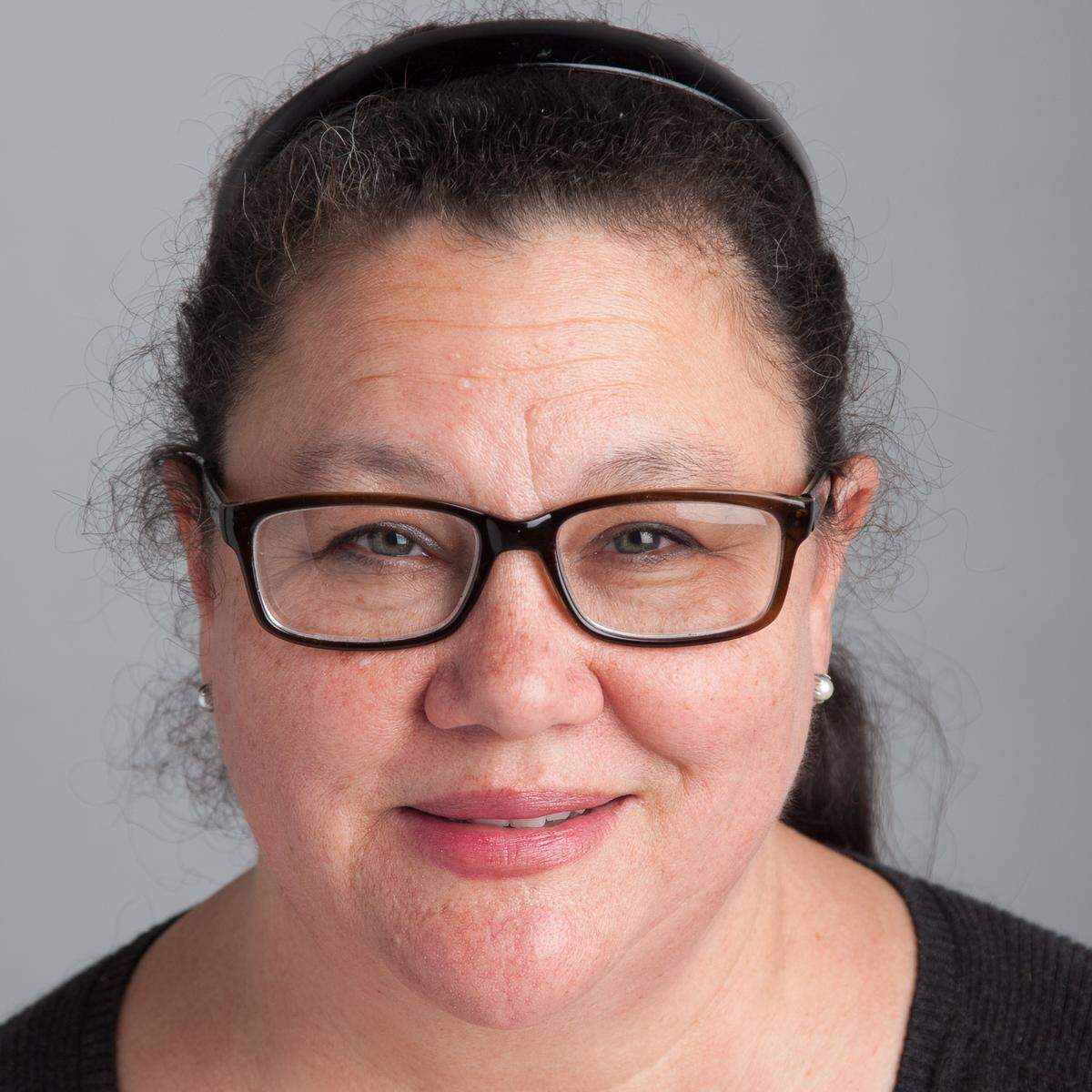
Elisa O’Callaghan, a board member of the migrant assistance organization, Justice For Our Neighbors-Dallas/Fort Worth, has been helping asylum-seeking families in Brownsville, El Paso, Homestead, Florida and the Mexican border city of Matamoros.
O’Callaghan’s efforts included helping families similar to those who could potentially end up in Fort Worth. In El Paso, for example, people who are released to communities to await their court dates need help, she said.
“I’m very glad. I am very happy. This is what should happen,” said O’Callaghan, explaining that communities need to come together to help these families.
They are typically in need of food, shelter and other resources as they wait for family members to figure out how to get them from Texas to other points across the country, O’Callaghan said.
“They have to stay somewhere,” she said, explaining that earlier this year she helped migrants awaiting their transportation plans who were staying in a high school gym in El Paso.
“I was there to prepare food,” she said, explaining how the only food available was canned vegetables and hot sauce.
O’Callaghan said she is pleased that Fort Worth has an emergency plan in place, but she’s also wary.
The city, she said, hasn’t “been very receptive to the needs of immigrants and minorities.”
“I’m very surprised.”
She said immigrant leaders and allies have pushed city and county leaders to usher policies, practices and programs that take into account the concerns of immigrant communities to no avail. These calls have intensified as federal immigration policies zeroed in on Central Americans seeking asylum at the U.S.-Mexico border.
O’Callaghan, who lives in Southlake, said she can’t ignore the need she has found at the border. She continues to work with other volunteers to help people impacted by the current crisis at the border.
She formed a group, Creating A Loving Memory (CALM), that makes dolls and pillows for migrant children on the border and plans to make a delivery next week.
“They have nothing to hold on to,” O’Callaghan said, adding that she wants to find out how she can help with the emergency efforts in Fort Worth. “They have nothing to play with.”
This story was originally published July 25, 2019 at 12:58 PM with the headline "Asylum-seekers may soon be heading to Fort Worth shelters. Here’s why.."