What Fort Worth is doing to thwart the ‘summer slide’ for elementary students
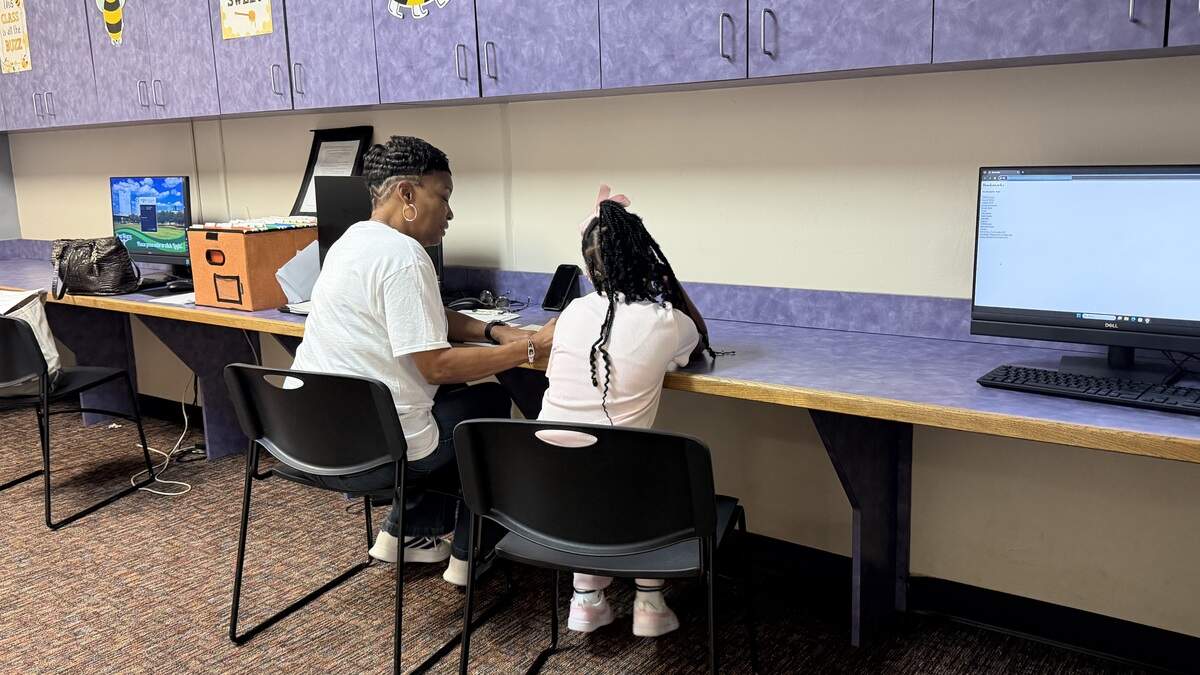
Fort Worth leaders are running several literacy programs this summer for elementary and middle school-aged students to fight what is known as the “summer slide,” a common regression of academic skills that students experience over summer break due to a lack of instruction and reading.
In Fort Worth and across Texas, thousands of students return to school in the fall at a lower reading level than they did when they left their previous grade at the end of the school year. That is because they are not forced to read or think critically on a daily basis and do not have the structured learning routine of a classroom. On average, students lose one to three months of reading proficiency during summer break, according to the Northwest Evaluation Association, an organization that develops academic assessments for K-12 students.
The city is holding literacy and reading instruction during summer day camps at Camp Fort Worth this year to thwart that trend, hiring certified teachers as “literacy support specialists” who deliver 45 minutes to an hour of daily literacy instruction at over 20 community centers, alongside other summer camp activities like athletic events, crafts and games.
The key is to deliver literacy instruction to fight the summer slide without making it feel like school, said Nick Deitering, Fort Worth’s community center superintendent.
“If you were to drop into one of these centers and walk into an LSS instructing a class, it wouldn’t appear as a class,” Deitering said. “No one is sitting in desks. We don’t want to turn this into a year-round school effort where we’re expanding this to multiple hours because we do still want these kids to feel like they’re still on summer break.”
Literacy support specialists use creative game-like activities to engage students instead of traditional classroom instruction. That could include music-based learning, performing plays, scavenger hunts, word games and other group activities. The main emphasis is on small groups, movement and competition.
“We want kids to have reading and literacy become part of their lifestyle,” Dietering said. “We don’t want it to be something that just happens during school hours during the school year.”
Fort Worth has been able to expand literacy services at summer camps this year because of a $330,000 donation from the Rainwater Charitable Foundation. As a result, LSS hours have been able to increase from 20 to 25 per week, and there has been an expanded supply of “activity bins,” which are pre-packaged totes that include word games, phonics cards, and books for the specialists to use at their sites.
The city tracks summer slide data through an eight-week, three-phase structure for summer literacy activities, Dietering said. The first two weeks include a pre-assessment of a student’s reading ability by giving them a passage and scoring their comprehension. Weeks three through six feature more literacy instruction, focusing on small groups and other reading activities. The final two weeks before the school year resumes include the same assessment the students took at the beginning of the summer to measure their progress.
A national study published in the American Educational Research Association in 2022 found that over half of U.S. Students lose ground every summer, forfeiting nearly 40% of their school year gains during summer break. Further data shows that students drop around 28% in reading during the summer.
The same study found that by fifth grade, students who are consistently affected by severe summer learning loss can lag up to three years behind peers who remain engaged during the summer.
“It takes a village,” Dietering said. “We all need to be doing our part, whether that’s at home or at our summer day camps or in the classroom. We have a limited eight-week window to provide instruction for kids, and we are seeing that in those eight weeks that our kids are maintaining or growing their reading levels, so I think that in itself is all the data that I personally need to know that this eight-week instruction that we provide is working.”
Camp Fort Worth holds summer day camps at community centers across the city. Locations include: Atatiana Carr-Jefferson, Betsy Price, Andrew Doc Sessions, Fire Station, Como, Chisholm Trail, Eugene, McCray, Handley Meadowbrook, Highland Hills, Martin Luther King Jr., Northside, Thomas Place and Victory Forest community centers.
Several school districts in and near Fort Worth are below the state average in reading proficiency rates, according to data from the Fort Worth Education Partnership. Those districts include Fort Worth ISD, Lake Worth ISD, Castleberry ISD and Everman ISD
Over the last few years, Camp Fort Worth’s summer literacy programs have helped more than 90% of students either maintain or grow their reading levels, Dietering said.
In addition to summer literacy instruction, the city partners with Literacy Roundup, which tests campers for reading difficulties and dyslexia risks and reports results to parents. Literacy Roundup’s dyslexia screening test takes about 15 minutes. When a child shows signs of being at risk for dyslexia, Literacy Roundup walks parents through their options, and its staff also show up with parents at meetings at their child’s school to help create an Individualized Education Program.
“Right now we are just doing literacy and reading activities for an hour a day during the summer,” Dietering said. “This is something that is working and is something that we should continue to work on, continue to improve on, while also keeping in mind that it’s a summer camp so we don’t want to turn this into a year-round school effort. We want students to be having fun in a summer camp with their friends and not have them regress, which will hopefully allow them to step into a classroom in the fall and continue on a good path and keep up with their reading levels.”