
Grapevine-Colleyville hires law firm for superintendent search
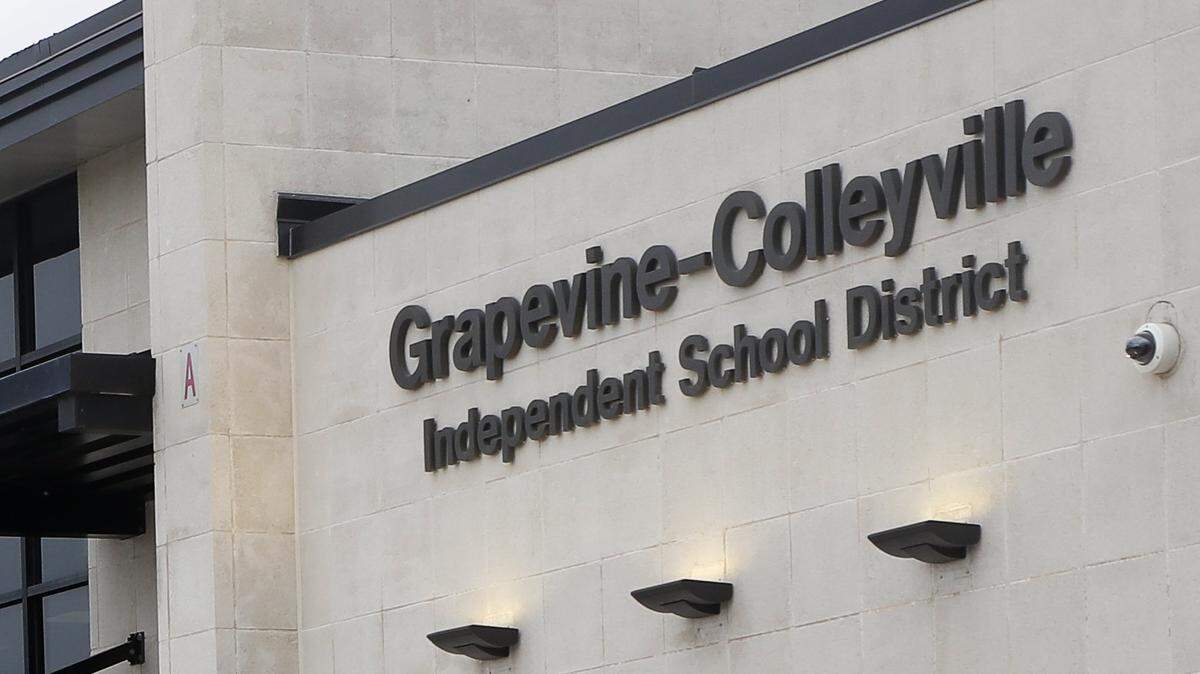
Grapevine-Colleyville trustees have hired the Austin-based Walsh Gallegos law firm to conduct a search for the district’s next superintendent.
The school board selected the Walsh Gallegos firm during a special meeting Feb. 3, according to the district. The law firm represents Grapevine-Colleyville in legal matters and works with approximately 500 Texas school districts. The Irving office will handle the search.
Grapevine-Colleyville is seeking its next superintendent after Brad Schnautz resigned in November to become executive director of the Region XI Education Service Center.
The district is accepting applications for the superintendent position, and the deadline to submit them is 4 p.m. Feb. 27.
What happens next
On Wednesday, Feb. 11, the district will post an online survey to find out what parents and residents want to see from the next superintendent. The deadline to complete the survey is Feb. 24.
On Feb. 16 and Feb. 17, Grapevine-Colleyville will have meetings to hear from the public about the qualifications and characteristics that they believe are most important in the district’s next leader.
The community forums will take place at the Professional Development and Education Center - Panther Den, 5800 Colleyville Blvd. They are scheduled for 6 p.m. Feb. 16 and 9 a.m. and 1 pm. Feb. 17.
On March 11, trustees are scheduled to review the applications and select the candidates they want to interview.
School board members will begin the first round of interviews March 24 and March 25, if needed.
The second round will take place April 2 and April 6 when trustees could name the finalist for the top job, and then officially name the superintendent April 27, after a 21-day waiting period.
Trustees voted in December to close Bransford and Dove Elementary schools despite vigorous opposition from the community.
Board president Shannon Braun has said more cuts could come to Grapevine-Colleyville, which like other North Texas districts, has seen dwindling enrollment and inadequate funding from the state as costs keep rising.