Report: Only 1 in 5 Fort Worth middle schoolers goes on to earn college degree
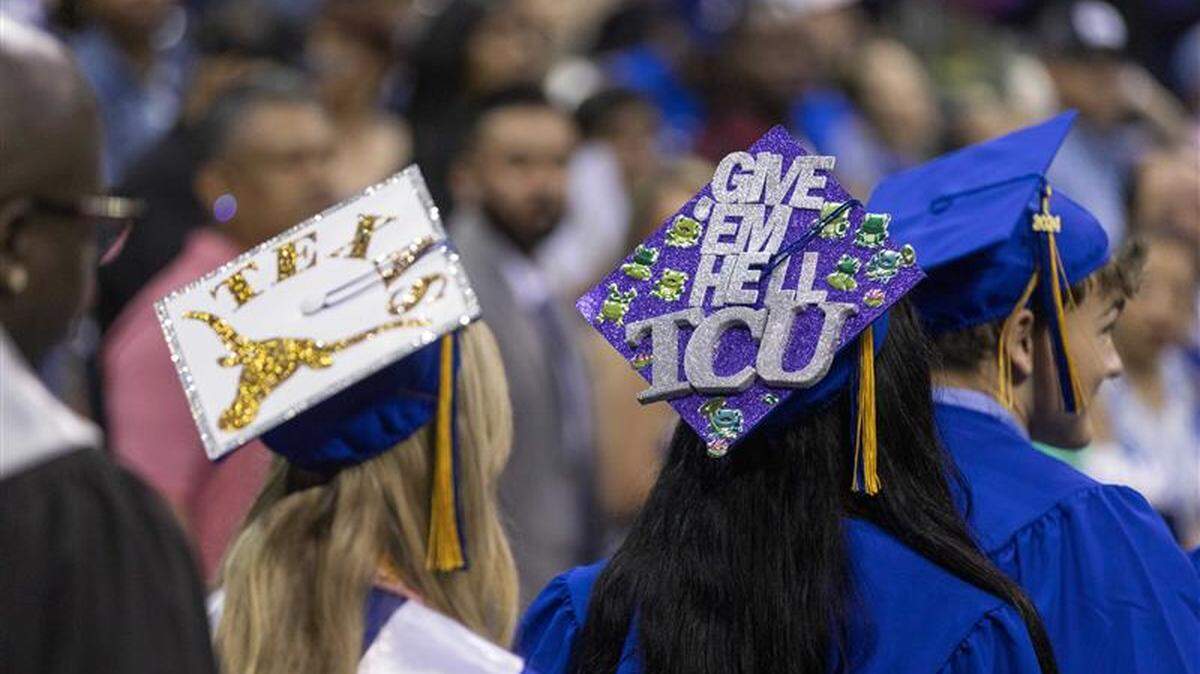
Only about one in five Fort Worth middle school students goes on to earn a degree from a Texas college, according to a new report from the nonprofit Fort Worth Education Partnership.
The report, which was released Monday, tracks the academic trajectories of students who were in eighth grade in any of the city’s public schools between 2011 and 2013. Of that group of students, 19% went on to earn a bachelor’s degree, associate’s degree or certificate from a Texas institution — a smaller share than those who never completed high school in the state.
The report is based on data from the Texas Higher Education Coordinating Board. It doesn’t count degrees earned by students who attended an out-of-state college or university, a group that makes up about 9% of the three cohorts of students included in the report.
Most of the city’s high school graduates aspire to higher education, according to the report. More than two-thirds of the students included in the report went on to college after high school. But most of the students who enrolled in college didn’t stay until graduation — only about 42% of the students who started college were awarded a bachelor’s degree, an associate’s degree or a professional certificate six years after they graduated high school.
Educational attainment is a key predictor of how a young person will fare in life. In Tarrant County, a young adult with no credential beyond a high school diploma stands just a 14% chance of earning a living wage, compared to 48% for those with a bachelor’s degree, according to an analysis of U.S. Census data by the nonprofit Commit Partnership.
Brent Beasley, the Fort Worth Education Partnership’s executive director, said the fact that such a small share of the city’s public school students go on to earn a college degree or certificate is a worrisome sign. He noted that a concerning number — 22% — didn’t graduate from a Texas high school. Many of those students likely finished high school in another state, but Beasley said the fact that the number is as high as it is likely means a large number of students dropped out before graduation.
“That means the door’s starting to close on the opportunities that are going to be available to them to access the lives that they want and deserve,” he said.
Leila Santillán, the nonprofit’s chief operating officer, said the report suggests that the city is losing students at each stage of the education pipeline — many middle school students don’t finish high school, many high school graduates don’t go on to college, and many college freshmen don’t go on to earn a degree. That trend suggests that adjustments need to be made at several points in the education process, she said.
Mayor Parker: ‘We’ve got more work to do’ on college completion
Fort Worth Mayor Mattie Parker said it’s vital that leaders in Fort Worth and across Tarrant County work to get more students into college, and ensure they graduate with a degree. That’s an important goal for the city’s long-term economic success, she said, but it’s also critical for families that each student coming out of Fort Worth schools has a pathway to a living wage.
But Parker noted that the city has taken several steps since the students included in the report were in school.
In 2020, Parker led the formation of the nonprofit Tarrant To and Through Partnership and served as its CEO before running for mayor. The organization brings together Fort Worth area colleges, school districts, corporations and philanthropic groups around the goal of getting more high school students into college and out the other side. Among other initiatives, the nonprofit provides last-dollar scholarships to cover the remaining cost of tuition not covered by participating students’ financial aid packages.
But Parker acknowledged that the path from high school to college can still be a difficult one for low-income students, especially if their parents don’t understand the importance of postsecondary education.
Parker has lobbied for years for the expansion of programs that give students opportunities to graduate from high school with college credit. Those programs, many of which allow students to earn an associate’s degree before leaving high school, can level the playing field for low-income students, she said. By combining those programs with extra support for first-generation students, leaders can ease the transition between high school and college and make it more likely that those students will eventually go on to earn a degree.
“We’re on the right track,” Parker said. “But we have to remain vigilant and recognize we’ve got more to do.”
This story was originally published September 15, 2025 at 6:00 AM.