Foster Grandparents program provides mentorship, support to Fort Worth’s youth
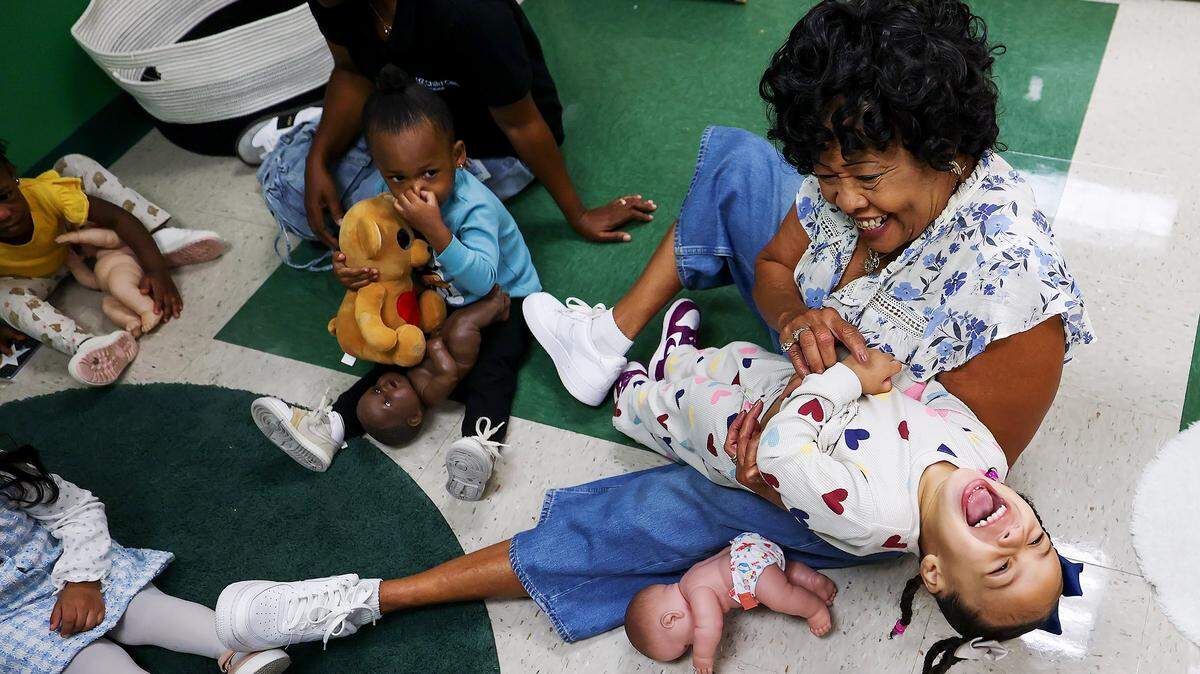
Wanda Fields sung and danced with 2-year-olds on Monday morning as they waved colorful scarves and ribbons, helping them get their wiggles out before sitting down for story time.
She helped a girl identify the eyes, ears and mouth on her baby doll. She returned a loud “roar” sound that another child made at Fields, attempting to scare her while wearing a furry mask and bending her fingers like claws. Fields then helped another toddler make different shapes out of blue Play-Doh.
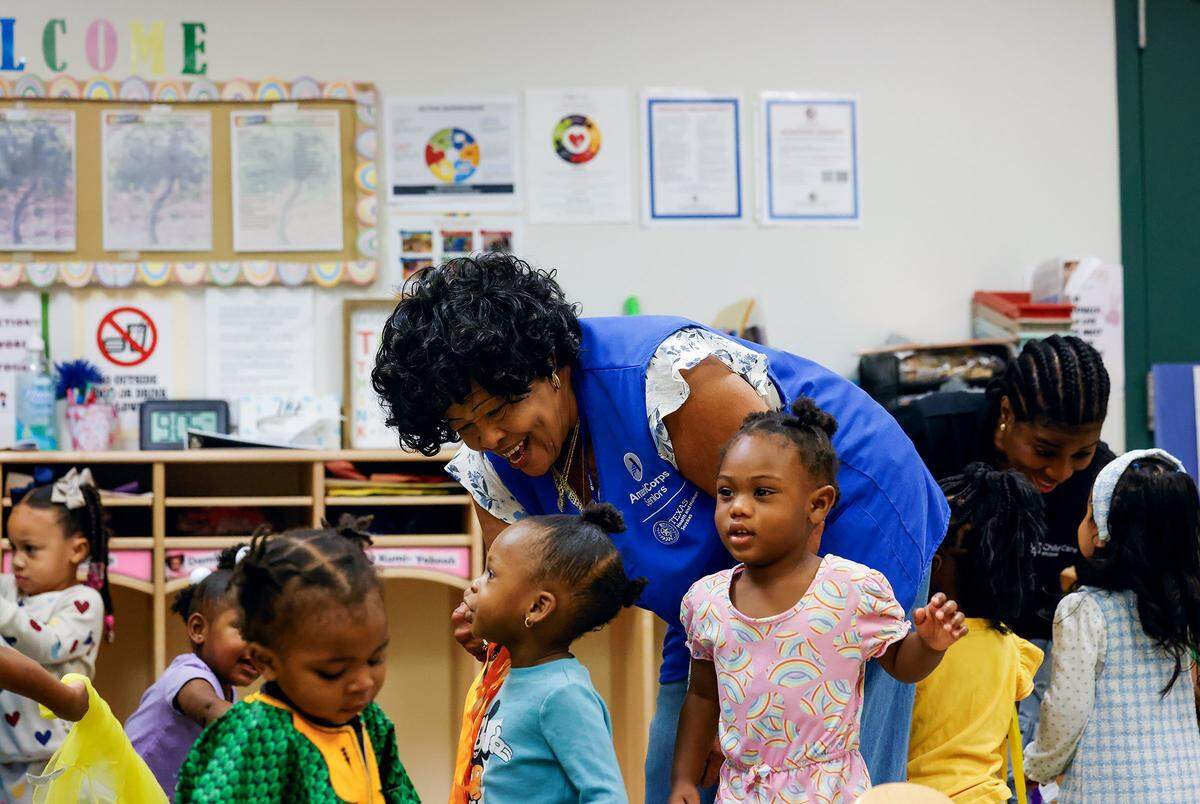
This was a typical morning for the 75-year-old volunteer, who is part of the national Foster Grandparent program. Fields and her fellow volunteers, who are 55 years old or older, provide support and mentorship to children in need at public schools, child care centers and other locations throughout Texas. Based in far south Fort Worth, Fields spends 20 hours a week at the Early Head Start child care program at J.A. Hargrave Elementary School. While the program provides Fields with purpose in her era of retirement, the children she mentors are also likely to reap benefits as they grow older as a result, including increased earnings and higher college attendance rates, research shows.
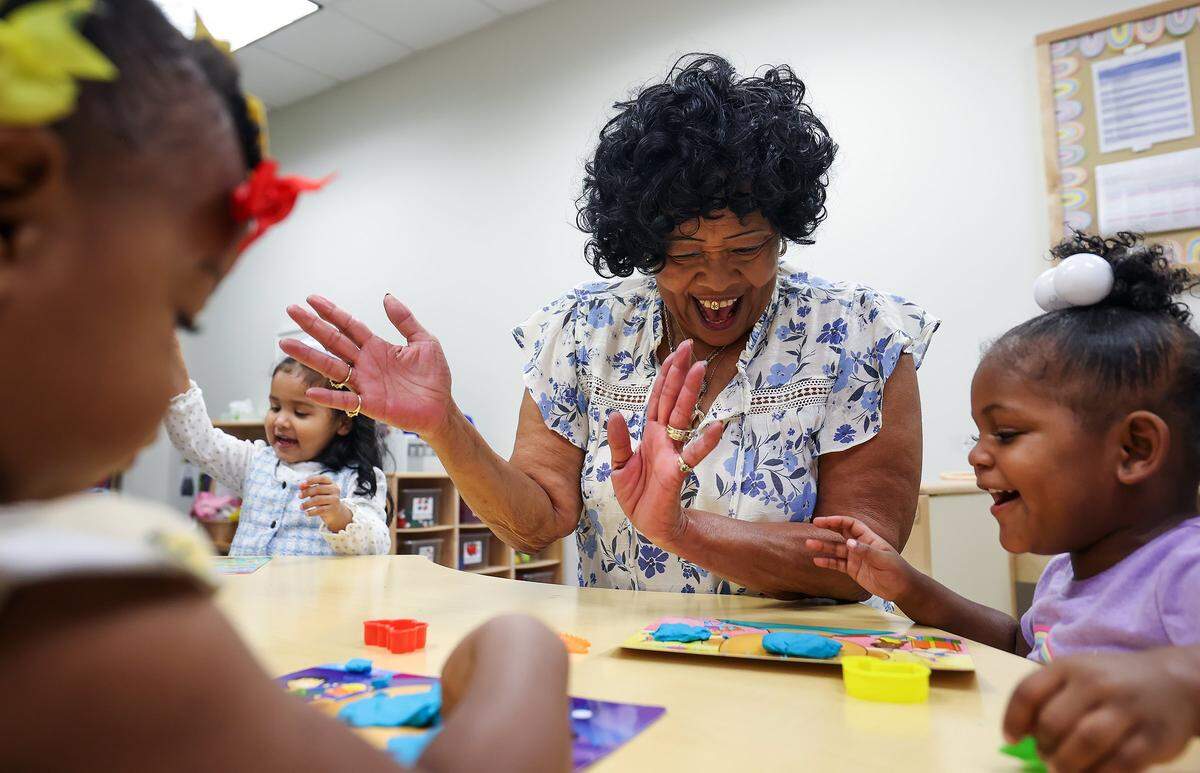
For Fields, being a Foster Grandparent has brought her peace, joy and “a bunch of love” in her retirement. Although she didn’t ask for the nickname, Fields enjoys the children referring to her as “Granny,” she said.
“It changed my whole life,” Fields said of the program. “Every day they teach me something.”
Fields is one of 12 active volunteers in the Fort Worth area, but additional volunteers are receiving training this month that will grow the local cohort, said local Volunteer Services Coordinator Dawn Freeman Chapman. During the training, volunteers learn how to interact with the children and meet their needs if they have, for example, a social or emotional deficiency or need improvement in literacy or arithmetic. Volunteers have flexibility in the number of hours they can commit to the program, with a maximum of 40 hours a week.
The nationwide program funded by AmeriCorps, a network of service and volunteer programs, has been around for 60 years, but it’s only been active in Tarrant County for about two years, Freeman Chapman said. She hopes to expand the local footprint in the coming years by doubling the allotted amount of volunteers in the area. As mentors, she said, the volunteers help establish stability and trust through a generational relationship that a child might not have at home.
“They might not have a grandparent, either alive or close to them, so it establishes a generational relationship that they wouldn’t get otherwise,” she said.
National study shows benefits of mentorship
A study released in January by the Big Brothers Big Sisters of America showed mentored children receive long-term benefits into adulthood such as a 15% increase in earnings between the ages of 20 and 25, and a 20% higher chance of attending college compared to their non-mentored peers. Mentored youth also saw lower absenteeism rates, fewer school suspensions and improved behaviors. The study focused on youth between the ages of 10 and 14 who applied to the organization’s community-based mentoring program in the early 1990s.
“This landmark study validates what we’ve witnessed for over a century – mentorship is a powerful catalyst for breaking cycles of poverty and creating lasting socioeconomic change. The data clearly shows that connecting young people with caring mentors doesn’t just transform individual lives; it’s one of the most cost-effective investments we can make in our country’s future,” said Artis Stevens, president and CEO of Big Brothers Big Sisters of America.
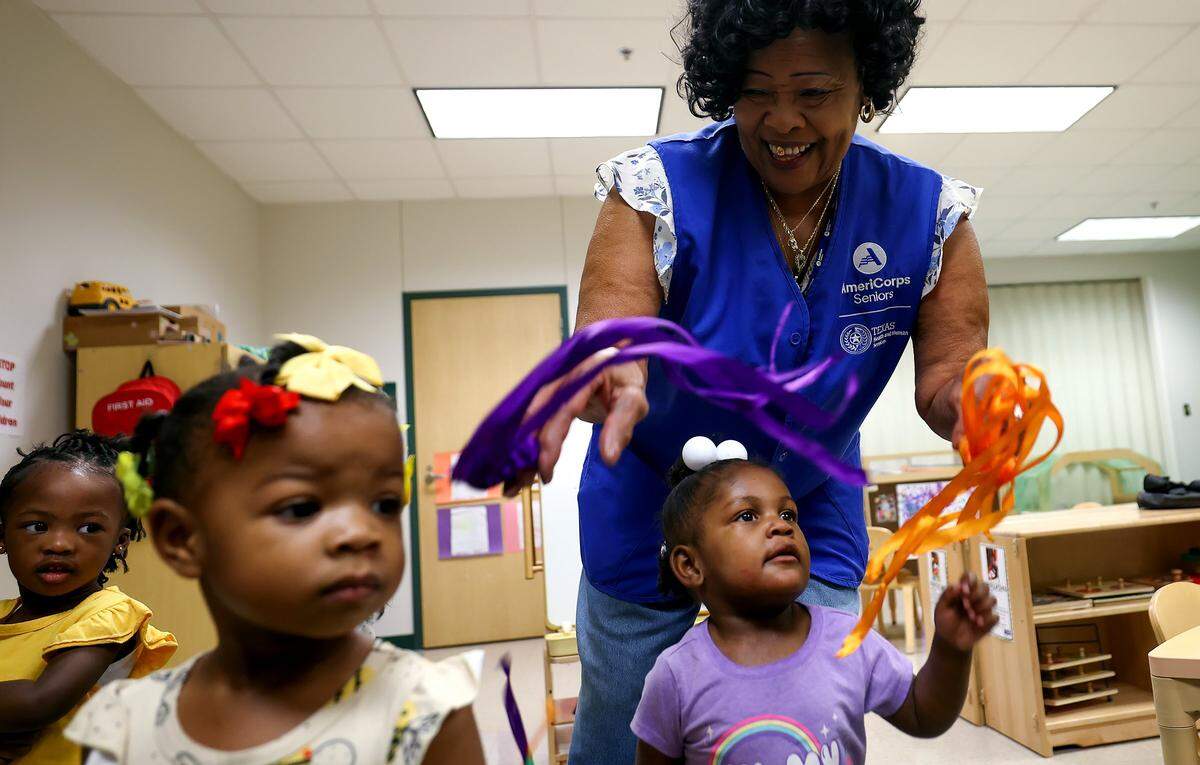
Although the Foster Grandparents in Tarrant County are currently serving younger kids, volunteers say relationship building is key when helping the children learn their numbers and letters in addition to learning how to self-regulate.
Minynon Tucker, 70, has been a Foster Grandparent in Fort Worth since January. She volunteers at the Center for Transforming Lives’ Polytechnic Child Development Center in the Polytechnic Heights neighborhood of Fort Worth. For 20 hours a week, she spends time with infants, toddlers and preschoolers at the center.
Similar to Fields, Tucker is retired, and the children also refer to her as “Nana.” She treats them the same way she treats her own grandchildren, and the program allows her to give back to the community, she said.
“I’m doing something that I love to do, and that’s to be with children and show them a lot of love and affection. And some of them don’t get that,” Tucker said. “I usually play with them and read to them, play games. Just being there to show love and support to them.”
“It makes me feel alive — to see their energy. It rubs off on you,” Tucker added.
How to get involved
For those interested in becoming a Foster Grandparent in the Fort Worth area, contact local administrators at 682-429-0031. A list of other contact numbers in other service areas throughout Texas can be found online at hhs.texas.gov. The statewide office can be reached by email at Foster.Grandparent@hhs.texas.gov.
Volunteers must be 55 years old or older and be available for 15-40 hours per week. They must fill out an application, attend an interview with a program staff member, undergo a criminal background check and receive training before they can start volunteering.
Foster Grandparents do not live with the children they serve like a foster parent would; they meet with their mentees at a designated location such as a school, child care center, hospital or elsewhere. Volunteers can earn stipends ranging from $240-$640 a month, depending on the number of service hours.
This story was originally published September 16, 2025 at 4:45 AM.