School vacations led to COVID spikes before. What will Fort Worth’s spring break bring?
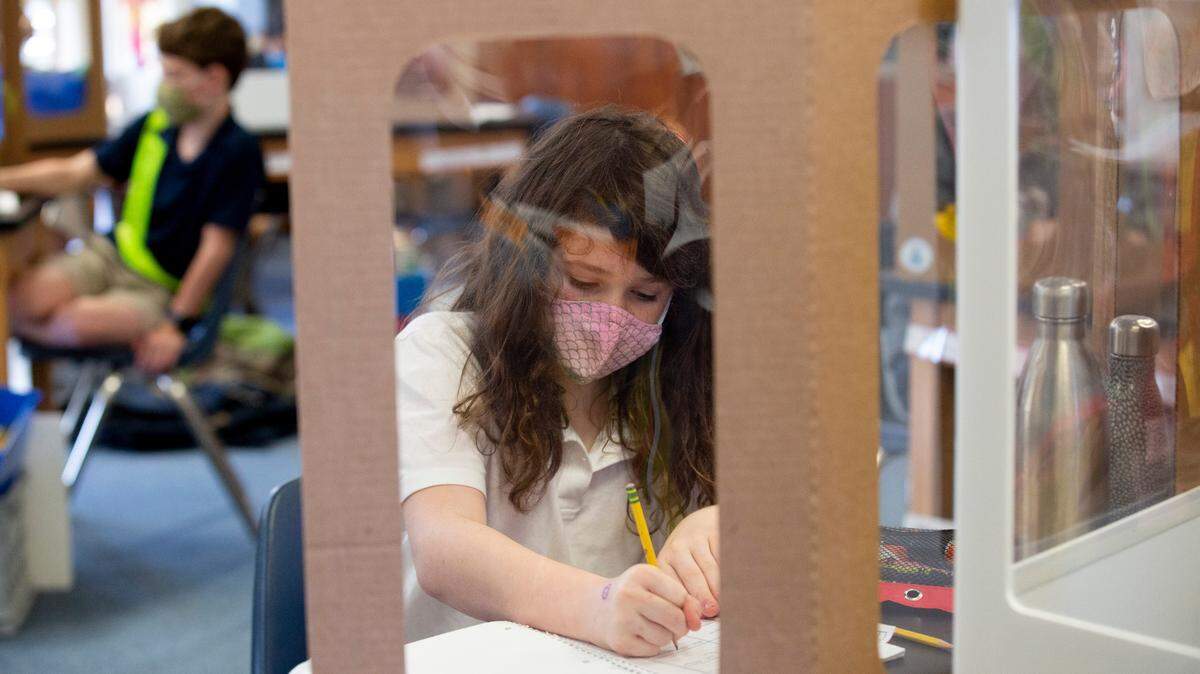
Days before Fort Worth schools closed for Thanksgiving break, public health officials in North Texas and nationwide urged families to forego large holiday gatherings to help prevent the spread of COVID-19.
Then, shortly before Christmas break, public health officials issued a similar warning: avoid travel and holiday parties to help keep the virus’ spread in check. Still, the Fort Worth school district saw a surge in cases when students and teachers returned in January.
This week is spring break for many students across North Texas, including in the Fort Worth school district. The break coincides with the end of Texas’ statewide mask mandate and other COVID-19 restrictions. But it also comes at a time when a growing number of Texans, including many teachers, are fully vaccinated against the virus and cases are declining across North Texas. So should Fort Worth schools expect another surge in COVID-19 cases when students return?
Maybe not, said Diana Cervantes, a professor of biostatics and epidemiology at UNT Health Sciences Center.
“I think we may see an increase in cases, but I don’t think it’s going to be anything like what we saw in that Christmas/New Year’s spike,” Cervantes said.
Texas health officials urge caution for spring breakers
For the past few weeks, public health officials across Texas have urged people to avoid travel and large gatherings during spring break. At a Tarrant County Commissioners Court meeting Tuesday, county health director Vinny Taneja said residents should avoid travel, particularly international travel, over spring break. He pointed to guidance from the Centers for Disease Control and Prevention that continues to discourage traveling, even for those who are fully vaccinated. Taneja urged residents to continue to wear masks, stay six feet away from others and avoid large gatherings.
Dr. Linda Yancey, an infectious disease specialist with Houston’s Memorial Hermann Health System, urged families to find alternatives to traditional spring break activities. In a prepared statement, she encouraged families to explore the outdoors, enjoy home-cooked meals and games or try a new hobby as safe options that don’t promote the spread of the virus. She urged families to adhere to safety precautions during the break.
“Many people have received the COVID-19 vaccine, but we still have a long way to go until the majority of the public is vaccinated,” Yancey said. “I know we are all tired, but it’s too soon to let our guard down.”
Public health officials issued similar warnings in the weeks leading up to Christmas, saying family gatherings could lead to increased spread of the virus. Gatherings are particularly dangerous, public health experts say, because people who are infected with COVID-19 are generally at their most contagious early on, either before they show symptoms or when those symptoms are so mild people don’t realize they’re sick.
In the Fort Worth school district, a surge in cases appeared quickly after students returned from Christmas break. In the weeks leading up to the break, the district reported a steady decline in COVID-19 cases, falling to 407 exposures and positive cases reported the week before the break began, according to the district’s COVID-19 dashboard. But during the week after students and faculty returned from the break, the district’s reported positive cases and exposures shot up to 716, a near-record total for the district.
The district’s COVID-19 numbers have declined steadily since then. During the first week in March, the district reported 90 total exposures and positive cases.
Fort Worth may dodge spring break COVID surge
Whether Tarrant County sees a spike in COVID-19 cases after spring break depends on how people behave during the break, Cervantes said. It’s important that families continue to exercise precautions, she said.
But there are grounds for cautious optimism, Cervantes said. The fact that Tarrant County’s COVID-19 numbers have declined so much over the past two months could help prevent a surge in cases after spring break, Cervantes said. When fewer residents are infected with the virus, anyone who ventures out in public has a smaller chance of being exposed, she said.
“We are in a better position, by far, than we were a year ago, without a doubt,” she said.
Christmas break gave families more time to travel — generally about two weeks, compared to a week or less at spring break. That means fewer families are likely to leave the area to visit family and friends over spring break. And unless working parents take paid vacation days, they generally can’t travel during their children’s spring breaks at all, she said.
Many local spring break destinations, like Six Flags Over Texas in Arlington and Great Wolf Lodge in Grapevine, will continue to require staff and guests to wear masks. Cervantes said she expects many Texans will continue to keep their masks handy when they venture out, since some businesses continue to require them. For many people, wearing masks in public has become habit, she said.
“If it didn’t bother you before, you’re just going to keep doing it,” Cervantes said.
The types of activities people participate in during spring break could also help keep case counts from skyrocketing, she said. During Thanksgiving and Christmas breaks, many people went to indoor gatherings with family and friends. But during spring break, outdoor getaways like camping trips are more common. The virus is less likely to spread in outdoor settings than at large gatherings around a dinner table, she said.
‘We can’t let our guard down’
Ernie Moran, a Spanish teacher at Western Hills High School, received the second dose of the Moderna vaccine this month. On Monday, he’ll finish the two-week waiting period before the vaccine becomes fully effective. Getting the second shot was a relief, he said.
“It felt like 200 pounds lifted off my shoulders,” he said.
Until now, vacations threw one more source of anxiety into the mix, Moran said. Anytime he returned from a break, he became hyper-vigilant about making sure students kept their masks above their noses, and he took even greater care to avoid getting near groups of students. When students and teachers come back from spring break, he’ll still have to exercise those precautions, he said. But since he’s been vaccinated, the anxiety around them will be less severe, he said.
Moran said most teachers he knows are experiencing some level of COVID fatigue. But rather than giving up and ignoring the pandemic, they have felt their anxiety plateau, he said. They are as alert as ever about possible sources of spread at school, but they don’t have enough mental energy to focus on those dangers, their normal duties and the needs of students affected by the pandemic or still feeling the effects of last month’s winter storms at the same time, he said. It’s a balancing act teachers have had to perform for a year, he said.
Over the past few weeks, administrators at Moran’s school have reminded teachers to continue to be vigilant about enforcing mask and distance rules in their classrooms. Even though case counts have dropped in the district and in the broader community, teachers and school staff can’t let themselves become lax about those safeguards, he said.
“We can see the finish line on this thing,” he said. “We can’t let our guard down.”