Doctors face more pushback and questioning than ever, new leader of Texas physicians says
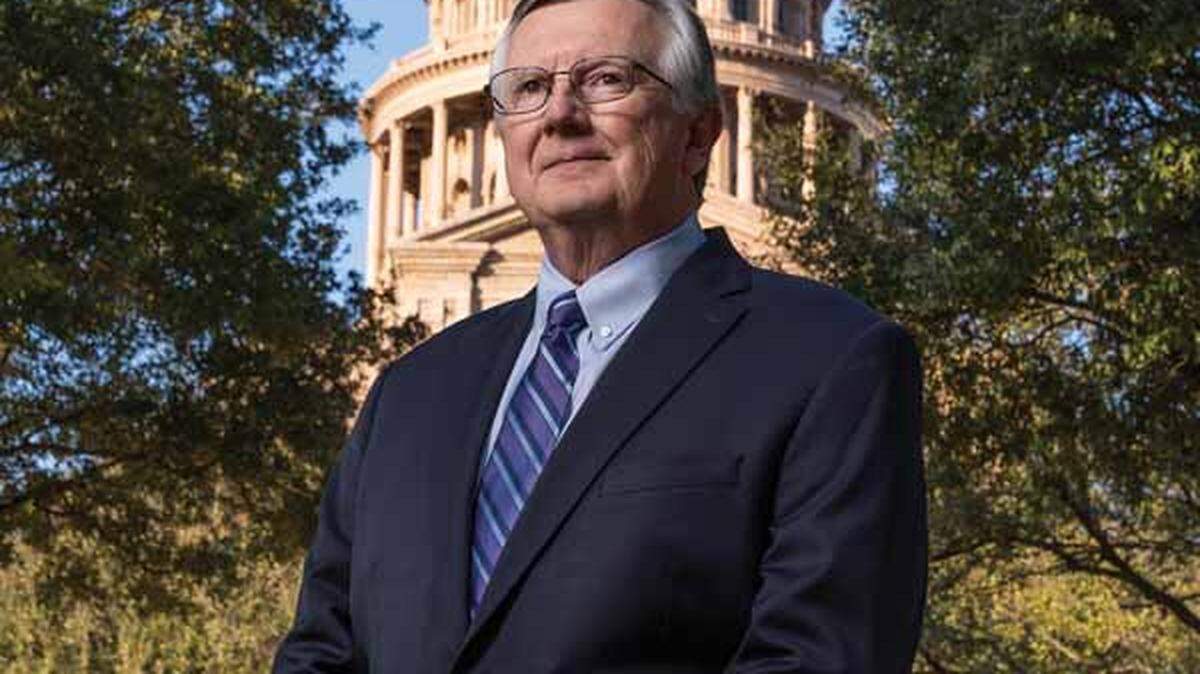
Dr. Gary Floyd, the new president of the Texas Medical Association, has a busy term ahead of him.
Between the COVID-19 pandemic, possible criminal and civil penalties for doctors who provide abortions and transgender health care for kids, historic mistrust in medical professionals, and other health setbacks incurred throughout the pandemic, the medical profession has a long list of obstacles to providing high quality, evidence-based care to Texans.
Floyd, 70, was installed as the new president of the Texas Medical Association in April. For the next year, Floyd will lead the organization, which represents the interests of the 50,000 Texas doctors and medical students who are members. Floyd, a Keller pediatrician, comes to the top job after more than 30 years as a doctor in Fort Worth, including at Cook Children’s Medical Center and JPS Health Network.
In an interview, Floyd outlined some of the major challenges facing Texas doctors and their patients.
Abortion and transgender health care
The beginning of Floyd’s term coincides with a push from Texas Republicans to roll back access to abortion as well as transgender health care for children.
On both issues, Floyd said he is wary of the government or any third party group interfering in discussions between doctor and patient.
The only question doctors should be asking, Floyd said, is “How can I care best for this patient?”
“I firmly believe patients and families need to be able to seek care they think they need,” Floyd said. “And the physicians they choose need to be able to address those needs without threat of investigations or criminal activity.”
In February, Gov. Greg Abbott directed state agencies to investigate transgender health care for children as a type of child abuse. Since then, parents of a trans teen have brought a lawsuit to challenge the investigations, and a state appeals court reinstated a temporary injunction blocking the state’s child welfare agency from continuing to investigate parents and providers providing such care to children.
Texas is also poised to outlaw most abortions in the state, if the U.S. Supreme Court decides to overturn Roe v. Wade, which established the legal right to an abortion. If the court does decide to overturn the case, then Texas would automatically outlaw almost all abortions within 30 days of the ruling. Anyone who provides an abortion could face up to life in prison under that law.
“Unfortunately, I’m old enough to be one who has cared for, in an ER setting, septic teenagers who were about to die or did die, because of a back channel abortion that went wrong,” Floyd said. “I don’t want to see us repeat that.”
Getting kids vaccinated
Another priority for doctors, Floyd said, is getting kids vaccinated, both with the COVID-19 vaccine and all of the other routine childhood vaccines.
On both fronts, Texas children have fallen behind. Just about 65% of Texans 5 and older are fully vaccinated against COVID-19, according to the state health department.
Floyd said he took issue with the early vaccine rollout in Texas and much of the U.S., which focused on massive, high-volume venues where thousands of people could be vaccinated in one day.
“The rollout to me was flawed,” he said. “They did not include the practitioners, which kinds of points to a problem with our whole public health system. The communication between most of our public health departments and our practicing community is not great.”
More communication and collaboration between public health and health care, Floyd said, could help increase trust in both professions, which have been under attack throughout the pandemic.
A recent survey from the Kaiser Family Foundation found that the person Americans trust most for information about the COVID-19 vaccine is their personal physician or their child’s pediatrician. That trust level has persisted throughout the pandemic, with Americans putting more faith in their doctor than in state or county public health leaders, or the agencies tasked with ensuring vaccines are safe and effective like the Food and Drug Administration.
And nationwide research has shown worrying dips in routine childhood vaccinations, either because of missed doctor’s appointments during the pandemic or because disinformation about the COVID-19 vaccine has caused parents to question other types of vaccines.
The HPV vaccine in particular, Floyd said, stands out as an area where doctors can make progress. The HPV vaccine is recommended for all children 11 and older and can protect against cervical cancer, penile cancers, and other cancers. But less than 50% of Texas kids actually get the shots.
Regaining trust
Floyd began working in Fort Worth in 1989, when he joined the staff of Cook Children’s Medical Center as it grew the region’s first dedicated children’s emergency room. As medical director for pediatric emergency services, Floyd also helped advised the health system’s expansion to create urgent care centers and community clinics. In 2009, Floyd joined the staff of JPS Health Network.
In the next year, Floyd said he hopes to visit as many of the medical societies throughout the state as possible, to hear what concerns and ideas doctors have. Floyd noted one major point of progress in the wide adoption of telemedicine as a way to get care to people. Before the pandemic, less than 5% of TMA members reported using telemedicine, he said. Now, at least 75% of TMA members said they used telemedicine.
Other goals for the 2023 legislative session include continuing to attract doctors and medical students to study and work in Texas.
But overall, Floyd said the profession would need to focus on regaining trust and rebuilding relationships that had eroded during the public health emergency.
“I think in medicine, we have experienced more pushback and questioning than perhaps we’ve ever encountered, ever encountered before,” he said.