Last winter’s storm devastated Texas day cares. Here’s how these groups are helping
A North Texas nonprofit is partnering with an international organization to release a Federal Emergency Management Agency assistance guide for child care providers following the devastating winter storm that swept the state last year.
The guide includes checklists, FAQs and specific steps to apply for assistance. A post-storm assessment by Child Care Associates, one of the largest child care providers in North Texas, found that 46 providers considered relocation after the February 2021 storm and 37 reported “total devastation” at their homes or centers.
For many, the storm was the first time navigating the complex array of agencies, adjusters and insurance companies involved in disaster response, all with particular requirements for documentation and communication in order to receive assistance, and to begin the long road to recovery.
Leora Cowart, who runs the Authentic Education Academy in Fort Worth, had already relocated from a brick-and-mortar center to a home-based day care amid the struggles caused by the coronavirus pandemic.
Then the storm hit.
“We just didn’t think it was going to be as bad as it was,” Cowart said. “We bought food and we had firewood, we did all of that — but we only had enough firewood for a day or so, and we went through it pretty quickly.”
After resorting to huddling with her teenage daughter in the bathroom with candles, Cowart and her family made the decision to evacuate to Oklahoma as the frigid temperatures dropped even lower.
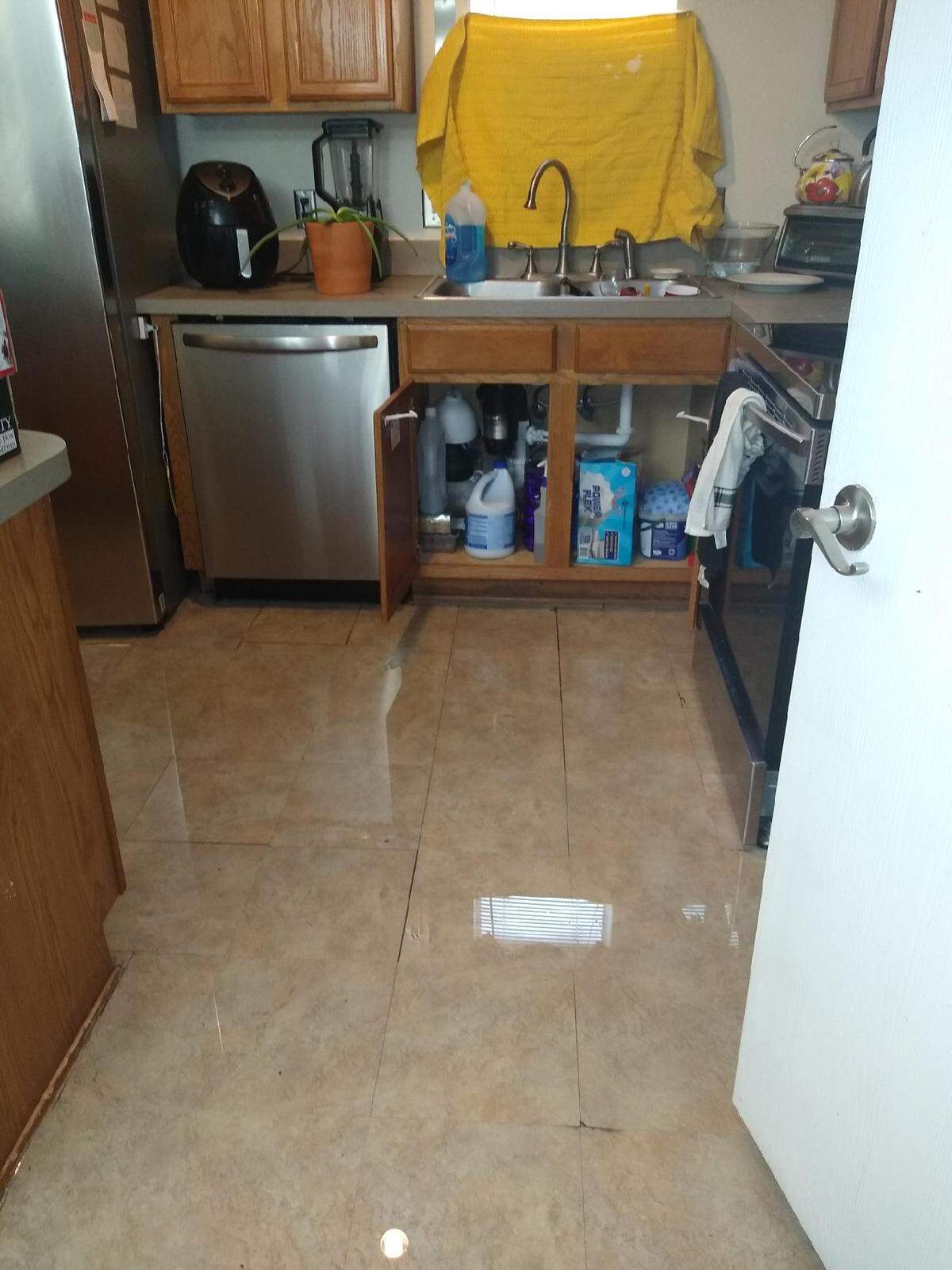
Less than a day later, her neighbor said she saw water gushing out of her garage, and by the time her husband got back to their house, the site of her livelihood was filled with more than two inches of water.
“I was really devastated to tell you the truth,” Cowart said. “We didn’t have a place to stay. We didn’t have an income. It looked very overwhelming. Because when you look at it, everything in your house is ruined. It is like where do you start?”
She wasn’t the only one asking the question.
Child care providers are left out of emergency planning
School systems, local governments and large companies are often front and center when it comes to emergency planning.
But child care centers are not always part of those plans.
“Child care, because it is for-profit business, often gets sort of left behind in emergency planning,” said Militza Mezquita, the advisor for child care in emergencies for Save The Children. “So child-serving organizations and Save the Children really come together to make sure that that gap is closed and child care providers know that they are equally as important as the grocery store staying open during an emergency or post emergency to make sure that those kiddos have a safe place to go to.”
One major step to reopening after a disaster is starting costly repairs as soon as possible. But unlike other major players, small businesses like child care providers often lack the expertise to navigate the arduous process of accessing recovery funds.
“Filling out mounds of legal documents without an attorney is challenging,” Mezquita said. “There’s (Individual Assistance) and (Public Assistance) and so it gets really convoluted when they’re trying to figure out OK, which track do I go to? What do I qualify for? It gets super complicated.”
FEMA assistance differs from insurance, according to the agency’s website, in that it only provides the basic needs to make a home safe, sanitary and functional.
In other words, FEMA assistance does not “make you whole again,” but it can give you a helping hand to recover. The assistance covers only basic needs and will not normally compensate for an entire loss.
Federal assistance also only applies to costs that are not already covered by insurance.
According to CCA’s post-disaster assessment, over half of the impacted centers and homes did not have adequate insurance to cover the damages.
As Cowart was waiting on insurance payments to kick in and dealing with a faulty contractor, she was also attempting to navigate the recovery process.
“It was a little confusing at first, because at first they were saying, ‘Yes, you will qualify, and we’ll help with a hotel stay,’” she recalled. “And then they come back and say, ‘Oh, no, you have insurance, and you know, you bought a house, then no, we won’t.’”
“I just kind of stopped — I didn’t dig deeper into it … because it would have just added more stress trying to deal with them and calling and not getting an answer,” she said.
FEMA Guide provides roadmap for child care centers after a disaster
Mezquita said the guide is designed to help with those situations.
“So what we have done is we’ve created our child care funding guide for FEMA assistance. It’s a simple roadmap that child care providers can pick up and decipher where to go,” she said. “We’re hoping that with the dissemination of this guide, that’ll sort of break down some of those barriers for providers to be able to access funding.”
Accessing federal assistance is difficult for many following a disaster, but for child care providers already operating on razor-thin margins, the ability to recover is even more dire.
Debbie Day, the director of administration and operations at Academy Christian Preschool in Fort Worth, said she knew to call the insurance company, but was still confused at the outset following a devastating pipe burst at her child care center.
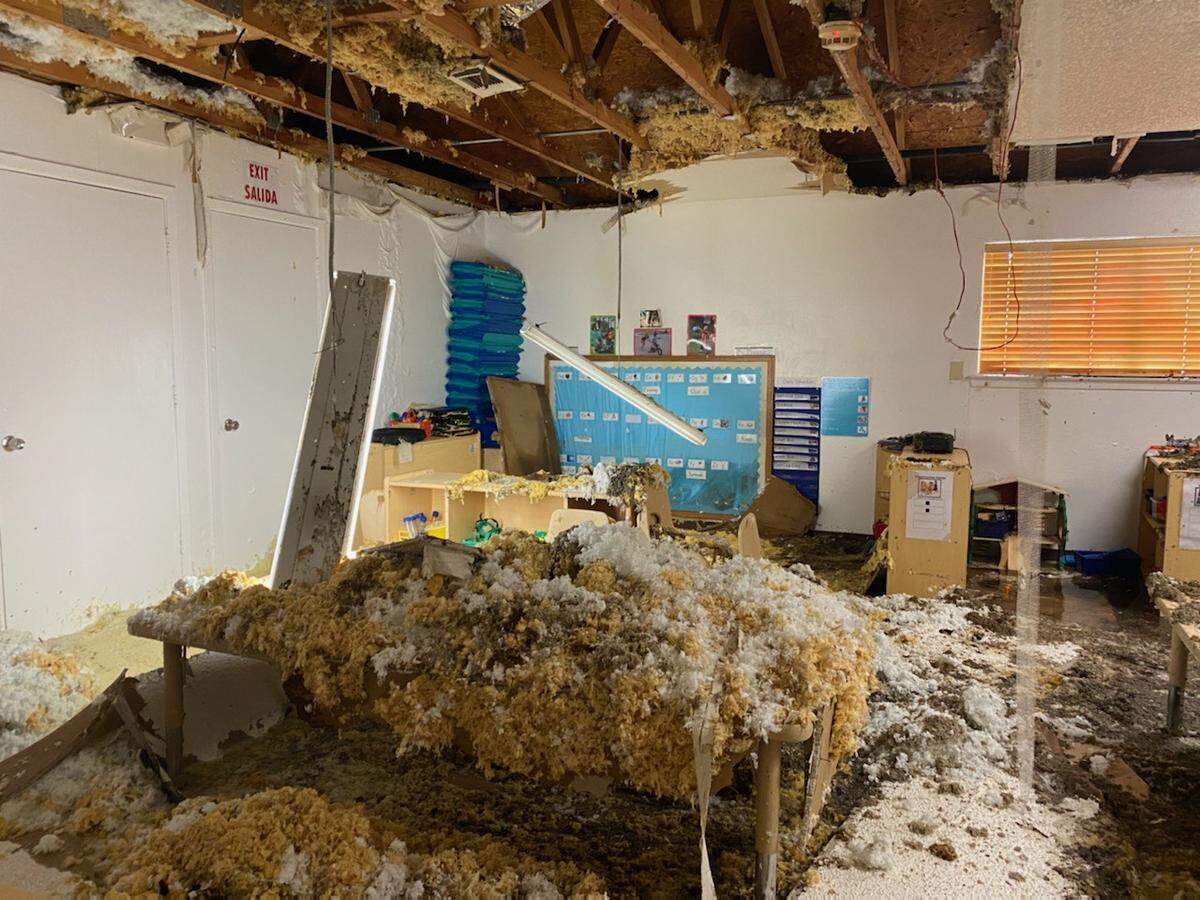
“We lost just about everything,” she said. “We lost all of the toys, all of the curriculum. Baby beds, we lost furniture, of course, the flooring, the walls…”
Day said the process was saved by an insurance adjuster, who was able to deal with the insurance company on the center’s behalf — a process that took time as the center pushed to reopen. Without the assistance of the adjuster, Day said she doesn’t know what they would have done.
“I truly believe that we would have never been able to recover 100% from it, had we not gone through them,” she said.
While waiting for insurance claims to be processed, Save the Children provided funding for equipment, furniture and toys for the center — hastening an opening.
“They were able to provide that for us and that is what motivated us to go ahead and reopen because we had something to reopen with,” Day said.
Mezquita said that child care is essential for communities to be able to focus on other aspects of recovery, especially in areas where parents need to return to work.
“It is very important … in communities that child care gets back up and running as soon as possible,” she said. “So the kids have a safe place to play, but also we know the longer children are at home or in informal care, there’s a longer learning gap.”
Beyond a learning gap, child care centers in underserved areas can also be one of the few places families can go for resources and trusted advice.
That necessity was laid bare in Euless, where Mid-Cities Head Start, a center run by Child Care Associates, serves a primarily Arabic-speaking population made up of many refugees, and others new to the country.
What happens when a child care center closes after a disaster
Travis Davis, the director of early education for Child Care Associates, said he was worried when he first observed the damage, which included downed ceilings, flooded rooms and mold.

“On the surface, you drive by and you see an early childhood center, and you see children come into school every day,” Davis said. “But what you don’t see is that we have a community leader here … who is bringing people together and helping them learn about a lot of things.”
“They’re trying to navigate a new life in a place that’s not familiar and not always welcoming to them,” he said.
When the center was one of three Child Care Associates facilities to receive critical damage during the storm, parents were worried.
Homerya Soleymani, the director of the center, said that she has formed personal relationships with every parent at the center. Hours after the damage became clear, she began making calls.
“There were many uncertainties and then of course, there were a lot of questions from our parents and staff,” she said. “They wanted to know what’s going on, when (are) we gonna come back? What happened to the campus? What are we gonna do with their children?”
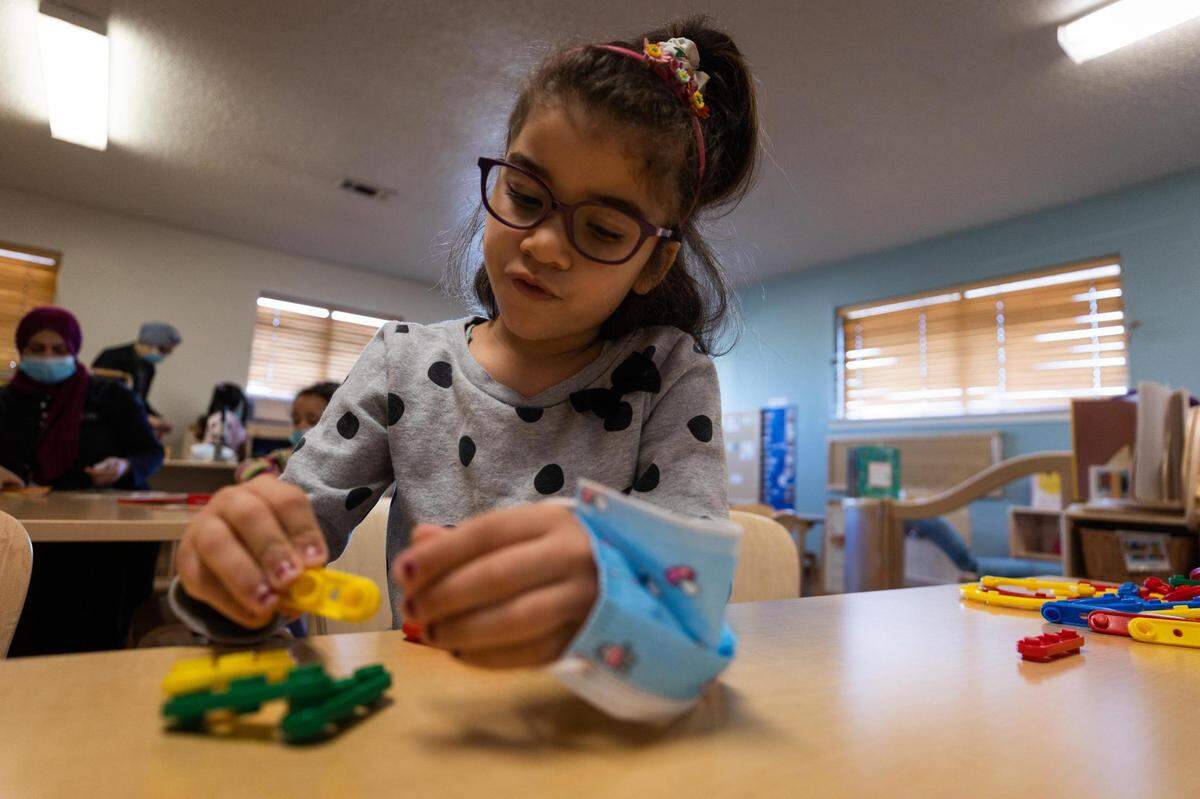
About 10 children were able to make the trip to Fort Worth every day, where two Arabic-speaking teachers were moved to care for the students.
“Culture-wise you know, if they don’t trust they don’t open to somebody, you know, if they don’t trust you,” Soleymani said. “I guess that’s why they put me (there) because you can build those relationships and they get to the point sometimes they come in if they need some help for something.”
For the remaining students, Yumaris Caballero, the early learning director for the center, relied on ReadyRosie, and other remote learning tools that were refined over the course of the pandemic.
“I am so proud of our teachers, because they plan different activities, they prepared their own material sometimes, if I went to see them they do an educational show,” she said. “They talk about numbers, they talk about colors, they talk about rhymes and these kids are very successful like that.”
Caballero said she empathizes with the experiences of the refugees, having come to Texas from Puerto Rico herself.
“I know how it feels to move and not know anybody, and people talk another language,” she said. “We try to be like family here … because I understand, so we try to help the teacher and the family.”
Parents celebrated a return to the center in mid-February, in-between two winter freezes that were much more mild than the one that started the journey a year ago.
“I think we really work hard together,” Soleymani said. “We were closed and we (went through) the supply shortage, the shortage of labor and all those insurance requirements. I know it was a long process, but we went through it and we are happy.”
“We are back home.”
This story was originally published February 23, 2022 at 1:33 PM.