Juggling work and college, Fort Worth area moms refused to let COVID derail their plans
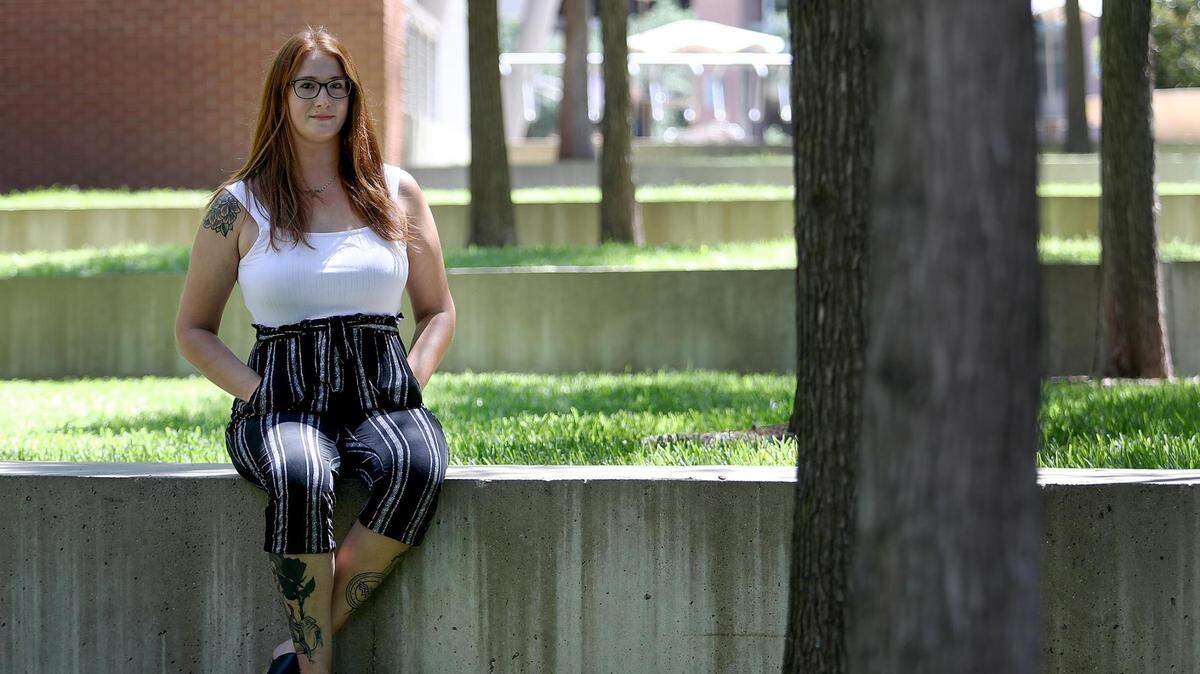
When the COVID-19 pandemic hit, Kelby Dupriest, 27, started to freak out. Her husband was temporarily out of work, and they had to navigate their children’s virtual learning and their youngest son’s medical needs. On top of all this, Dupriest had to tackle a college math class.
Dupriest is a student at Tarrant County College’s Trinity River Campus. She enrolled in 2013 and will earn an associate’s degree in January. She said she felt the hardship of the pandemic and was afraid of failing.
“To get through school, to secure something for my family to have a brighter future, I see that starting with me,” she said. “I can see myself having a steady job even with my associate’s.”
An increasing share of students across the country, like Dupriest, juggle multiple responsibilities and obstacles while they pursue an education. The typical college student is no longer an 18-year-old who recently graduated high school with little family or work responsibilities, said Molly Bashay, a senior policy analyst at The Center for Law and Social Policy.
Only 15% of college students fit the “traditional” mold, according to the National Center for Education Statistics.
“Because nontraditional students have more work and family obligations to balance in addition to their coursework, the pandemic and recession hit them a lot harder,” Bashay said.
Dupriest and other parents are pursuing an education in order to have a more stable economic future for their families. People with bachelor’s degrees earn more than twice that of those with only a high school diploma, according to The Brookings Institution.
But accessing continuing education can be harder for low-income students because of the cost, Bashay said. Students who live paycheck to paycheck are one crisis from needing to drop out of school. Issues concerning transportation, housing, food insecurity and child care could be a crisis.
People without a college degree faced higher unemployment during the pandemic than those with a bachelor’s, according to an analysis of U.S. Bureau of Labor Statistics data by the Federal Reserve Bank of San Francisco.
Experts say resources by local organizations and academic institutions can help nontraditional students pursue an education in order to have a more stable job and avoid social services in the future.
When the pandemic hit, Fort Worth organizations helped students find employment, housing, rental assistance and technology. However, a fraction of students needed additional support — child care and diapers.
Wanting a post-secondary education
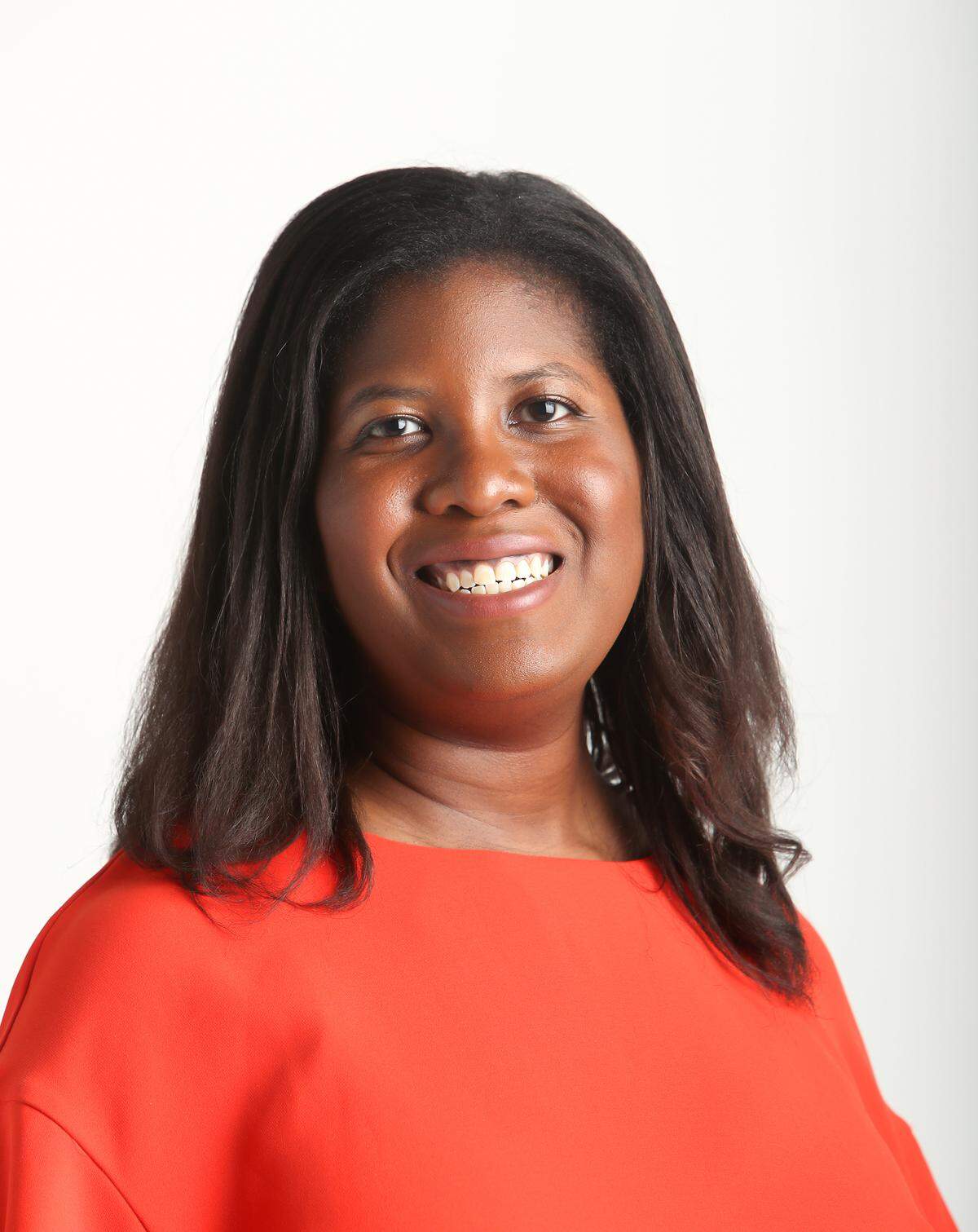
Kayla Walker, 29, planned to graduate from a four-year university. She attended Tuskegee University in Alabama right after high school. However, she dropped out after her parent’s divorce.
Walker moved to Texas in 2014 to be closer to her father. Her job as a housekeeper paid less than $9 an hour and she wasn’t able to get an apartment without a cosigner. This led her family of three to experience homelessness.
Walker’s family stayed in a shelter for four months at the beginning of 2019. The Community Enrichment Center found them housing and Walker started work at Burger King as an assistant manager. Her daughter, 4, received child care from The Center for Transforming Lives and Childcare Associates.
However, the mother knew she needed a more stable job and didn’t want to live paycheck to paycheck. A caseworker told Walker about Goodwill of North Central Texas’ North Texas Institute for Career Development.
“I just figured that would provide a more stable income for me, as well, a career choice,” Walker said.
She enrolled in the school’s medical administrative assistant certificate program. The median salary for medical administrative assistants in Texas was $35,360 in 2020, according to the U.S. Bureau of Labor Statistics.
Even though she was enrolled in the program, Walker still juggled multiple responsibilities. Her family had only one car to get Walker and her spouse to work and shuttle her daughter to child care.
With all of this, Walker would study as much as she could to complete her certificate program.
The city of Fort Worth’s Community Action Partners program also helped Walker’s family. The program helps residents learn financial independence in an effort to reduce and eliminate their need for social services.
COVID-19 caused more barriers for nontraditional students
The pandemic hit higher education institutions hard as students tried to continue their education amid an economic crisis.
Initially, federal dollars weren’t available to part-time students and community colleges received less funding than four-year institutions, said Bashay, with the Center for Law and Social Policy. The American Rescue Plan now gives more funding.
Before the pandemic, low-income students faced many barriers when trying to receive public assistance, like SNAP benefits. A low-income student who went to school part time had to meet more criteria for eligibility than their full-time classmates who needed assistance.
Fort Worth homeless shelters saw post-secondary students needing help. The Presbyterian Night Shelter had clients who were college students during the pandemic, said Brenda Rios, vice president of development.
Walker faced many hurdles during the pandemic. Fast food restaurants redesigned their locations, adjusted procedures and cutting employees’ hours.
“My bills were through the roof, light bills, rent, our phone bill, internet,” said Walker. “I was like ‘back against the wall’ because COVID hit so drastically and then my job cut my hours and a lot of unemployment places were shut down.”
Walker sought unemployment after her hours were cut. She was denied benefits and was out of work for several months. She dropped out of school for a while.
“That point on I told myself, I am striving for excellence here on out,” Walker said.
She graduated from her certificate program in March and has a job helping patients receive their medical records. Walker said her training allows her to have a stable job.
Before graduating, Walker needed help with technology requirements for the school. Her laptop didn’t have a camera, which prevented her from doing video calls. The Center for Transforming Lives provided her a new camera and a mobile hot spot.
With the new laptop, she launched a notary business in July to make extra income. She plans to take another certificate program for medical billing.
“Learning more puts you in a higher advantage,” Walker said.
Helping community college students
Tarrant County College’s Stay on Course program helps low-income students stay in school when when challenges at home might prompt them to drop out. The program, developed by Catholic Charities of Fort Worth and the University of Notre Dame, has been in use at TCC since 2013.
More than 500 students have used the programs services during the pandemic. More than 130 needed help with utilities, more than 200 had food assistance requests and roughly 160 sought help with rent or mortgage. Many students needed assistance with child care and diapers, transportation and technology.
For Dupriest, working while going to school isn’t reasonable. While managing her studies, she is also taking care of her 5-year-old son who has a rare medical condition, known as CHARGE syndrome. The syndrome leads to birth defects and multiple medical conditions.
Her son was born with one kidney, which is failing, and he has had at least 25 surgeries. He is awaiting a transplant.
Dupriest’s son is her motivation to continue her education. One in five college students are parents, according to 2020 report by the Aspen Institute and the Institute for Women’s Policy and Research. These students often are older, people of color and have higher GPAs than their peers.
She worked on a final paper for her humanities class while in the emergency room. She received an A.
Maintaining focus on her studies while also making sure her family is taken care of can be hard, Dupriest said.
“Not only are you having a setback, but you have to research and figure out how to relieve that setback,” she said.
Dupriest expects to complete her degree in January and will become a student at the UT Arlington. She hopes to pursue a career in the medical field and wants to attend the University of North Texas Health Science Center’s Texas College of Osteopathic Medicine.
Dupriest said her caseworker helped her family receive rental assistance when her husband’s job was put on pause because he was not considered an essential worker.
“They’ve done a lot to help me keep going because I don’t have to do it all on my own,” Dupriest said.
Resources
Center for Transforming Lives: 817-332-6191
Catholic Charities’ Stay the Course: staythecourse@ccdofw.org
Child Care Associates: 817-838-0055.
Presbyterian Night Shelter: 2400 Cypress Street; women and children call: 817-632-7429.
Community Enrichment Center: 817-281-1164.