Texans sentenced in Louisiana-based marijuana trafficking scheme, feds say
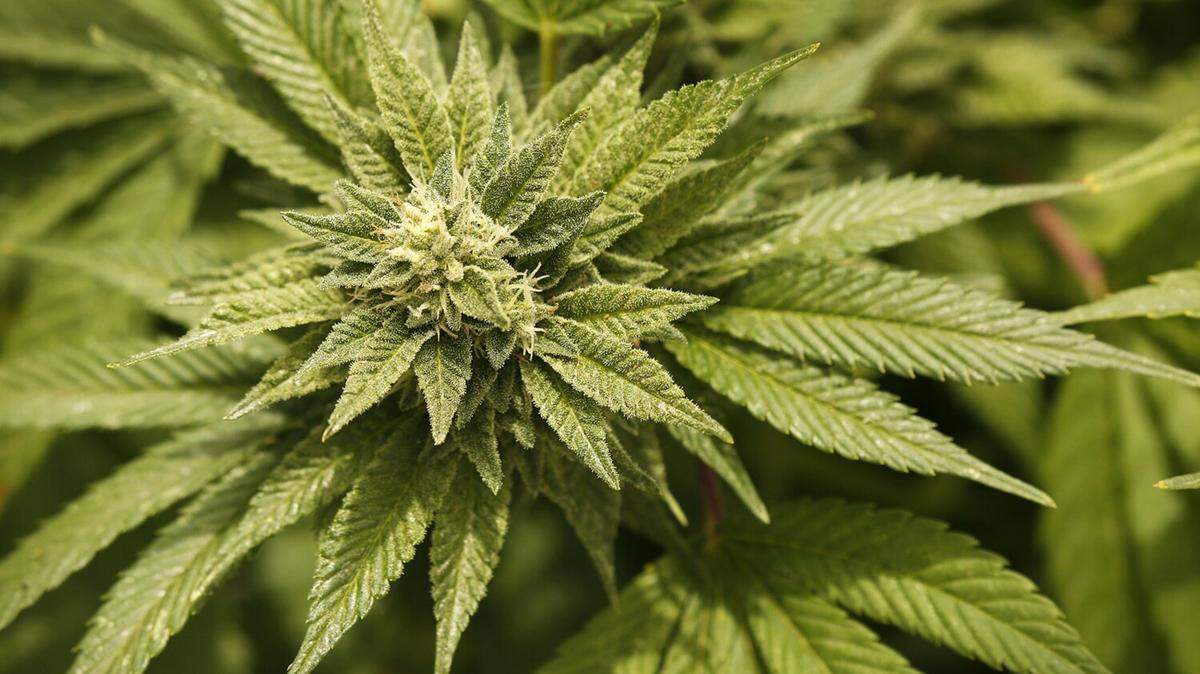
Two Texans were among 20 defendants recently convicted and sentenced for participating in a decade-long marijuana trafficking scheme, federal authorities said this week.
The scheme, investigated by authorities in Shreveport, Louisiana , played out over more than 10 years between 2012 and 2023, according to a news release from the U.S. Attorney’s Office for the Western District of Louisiana.
Hikmat Jamal Deeb, 35, of Louisiana, and others worked to obtain marijuana from the West Coast and distribute it, authorities said.
Trevor Osifo, 30, of Aubrey, Texas, and Jimmy Lee Mays, 32, of Longview, also were convicted in connection to the scheme.
Defendants were found in possession of large sums of cash at airports across the country, including in Dallas-Fort Worth, officials said. Deeb later admitted the money was intended to purchase large amounts of marijuana.
Conspirators in the organized crime ring obtained and sold thousands of pounds of marijuana for millions of dollars, authorities said.
After purchasing the drug, Deeb used a network of couriers to sell it and store it in apartment buildings, homes and an abandoned car lot.
By 2021, Deeb was obtaining marijuana from two Chinese nationals who owned property in Oklahoma where they cultivated the plants, according to the release. The Oklahoma properties were connected to a larger marijuana distribution network.
Deeb’s wife, Jerusalia Bell, laundered many of the operation’s proceeds through a retail clothing line, officials said. Bell’s business had almost $1 million in unreported income between 2020 and 2022, the proceeds from the money laundering, according to the statement.
Deeb was sentenced to more than 18 years in prison and Bell to more than eight years.
Osifo was sentenced to six years in federal prison and five years of supervised release on a charge of conspiracy to distribute and possess with intent to distribute marijuana, officials said.
Mays was sentenced to more than three years’ imprisonment and three years of supervised release on the same charge.
Two other defendants in the case will be sentenced in early 2026.