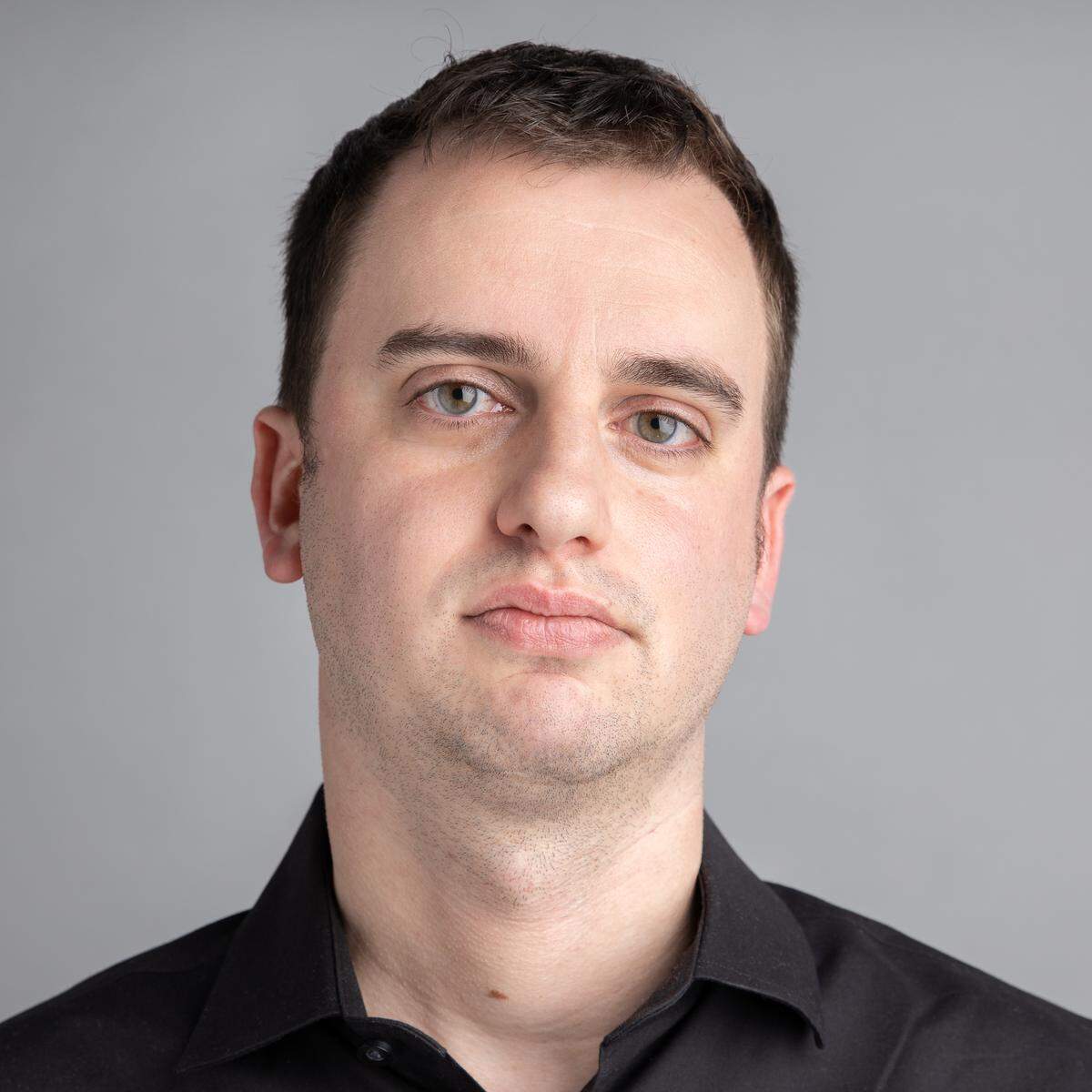
Shooter pleads guilty to murder in West 7th killing of TCU student Wes Smith
In a downtown Fort Worth courtroom, Philip Smith recounted the toll of his son’s murder.
The fear and anger. The profound torment that Wes Smith’s killing had stirred.
“Your actions caused catastrophic, monumental mourning,” Smith said on Thursday morning, addressing Matthew Purdy, who had wrought the father’s pain. Purdy had in the minutes earlier pleaded guilty to murder.
Wes Smith’s death had led some to question their faith, his father said.
Perhaps most confounding, Philip Smith suggested, was the lack of connection between his son and Purdy. They had never met, had no previous contact.
Wes Smith was randomly selected.
Purdy, who has schizophrenia, first shot Wes Smith, a TCU student, in the abdomen and shoulder. Then, when he fell to the ground, Purdy fired a round into the back of Smith’s head.
In a plea bargain agreement with the Tarrant County Criminal District Attorney’s Office, Judge Ruben Gonzalez sentenced Purdy to 60 years in prison in the September 2023 killing. Purdy, 23, will have to serve at least 30 years before he becomes eligible for parole.
Smith, a 21-year-old junior from Germantown, Tennessee, was slain on the street outside a bar in Fort Worth’s West 7th entertainment district. He had been with friends and was arranging a ride home for two women when he was shot.
“You have a dark and ugly soul, if you have any soul at all,” Philip Smith told Purdy after the defendant entered the plea in the 432nd District Court.
“You’re a threat to everyone in this courtroom. You’re a threat to everyone in this city,” he said.
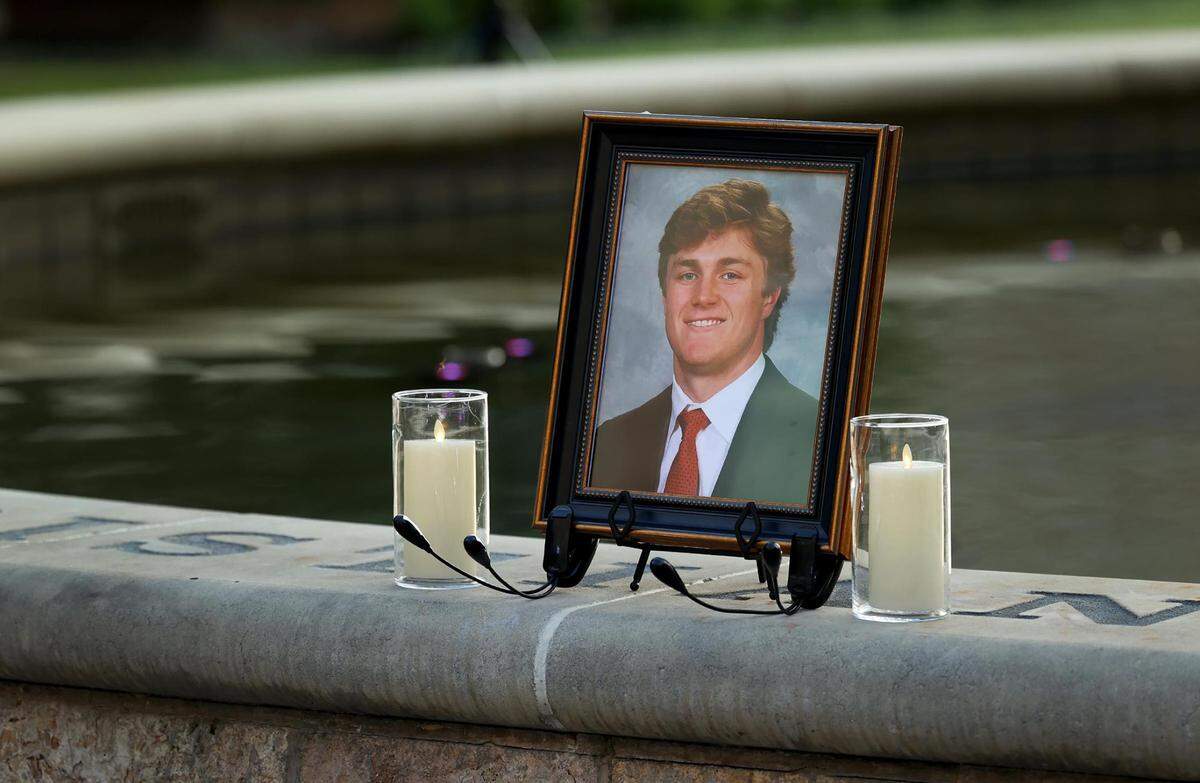
After Wes’ two brothers addressed Purdy, it was time for the victim’s mother to walk to the witness stand.
Wes should have graduated from TCU last month, Dorree Smith said.
“We miss Wes to the depths of our souls every day,” she said.
Defense had planned to argue insanity
Purdy’s trial had been scheduled to take place in July. His defense attorneys, David Owens and Brian Salvant, filed documents indicating they had planned to argue that Purdy was legally insane at the time of Smith’s killing. They had been expected to argue that severe mental disease or defect caused Purdy not to comprehend that his conduct was wrong.
Had a jury rejected the insanity argument and found Purdy guilty of murder at trial, a jury or judge would have assessed punishment at between five and 99 years or life in prison.
Tarrant County Assistant District Attorneys Ashlea Deener and Rose Anna Salinas represented the state.
Purdy told police he approached Smith outside of the bar early on Sept. 1.
Purdy admitted to Homicide Unit Detective Jerry Cedillo in an interview that he was a member of a street gang and shot Smith because Purdy was “sick of this [expletive],” according to a document the district attorney’s office filed with the court clerk.
Purdy told detectives he wanted to “make sure he was dead,” according to an affidavit supporting the suspect’s arrest.
Purdy told the detectives that before he opened fire, he asked Smith if he knew Purdy’s father, who Purdy said had been assaulted previously near West 7th Street.
As TCU students with Smith scattered, Purdy yelled “run,” according to a woman whom Purdy struck in the back of the head with a gun before the suspect ran from the scene. Police found Purdy near Farrington Field.
Purdy admitted he would have shot the woman but he was out of bullets, according to the document the district attorney’s office filed with the court clerk. Purdy said he did not really feel bad or remorseful and deserves to die for what he did, according to the document.
Defense searched for Purdy’s mother
An antipsychotic is among the medications that Purdy has been prescribed at the Tarrant County Jail. Purdy’s defense attorneys had hoped to call his mother to the witness stand to present evidence of her history of mental illness, drug addiction, schizophrenia and alcohol abuse during her pregnancy with Purdy.
An investigator working with defense attorneys searched databases for months to try to find her. The defense team recently learned that Purdy’s mother, Melissa Cooley Waggoner, is dead. The University of North Texas Health Science Center harvested her unclaimed body for medical research, Owens and Salvant wrote in a motion.
In 2018, Tarrant County entered into a contract with the Health Science Center allowing HSC to handle the bodies of county residents for whom no next-of-kin could be located and for relatives who could not afford burial or cremation.
Last year, UNT HSC halted its program that used unclaimed bodies from Tarrant and Dallas counties for medical research and training. An NBC News investigation found that there were at least 12 people whose bodies were used by HSC without their families’ knowledge or consent. HSC also sold bodies to medical research companies and the U.S. Army. Shortly before the findings of the investigation were published, HSC announced that it had stopped the program, fired program leadership and would hire a consulting firm to review the program.
This story was originally published June 26, 2025 at 9:08 AM.