At recusal hearing, lawyers for former police officer Aaron Dean argue judge is biased

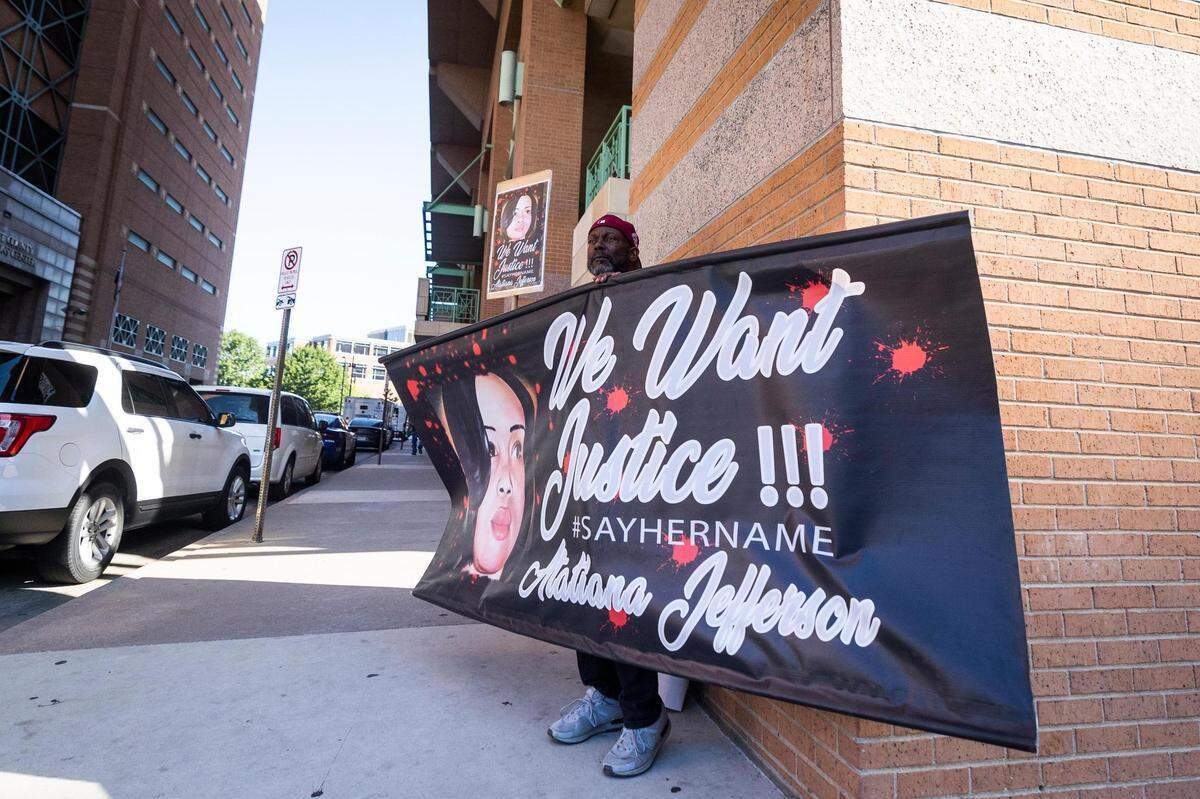
On the day that opening statements in the murder trial of former Fort Worth police officer Aaron Dean were most recently set to begin, the name of the woman he shot, Atatiana Jefferson, was barely said.
Instead, the hearing on Thursday was focused on whether the judge who has overseen two years of court proceedings should be removed from the case.
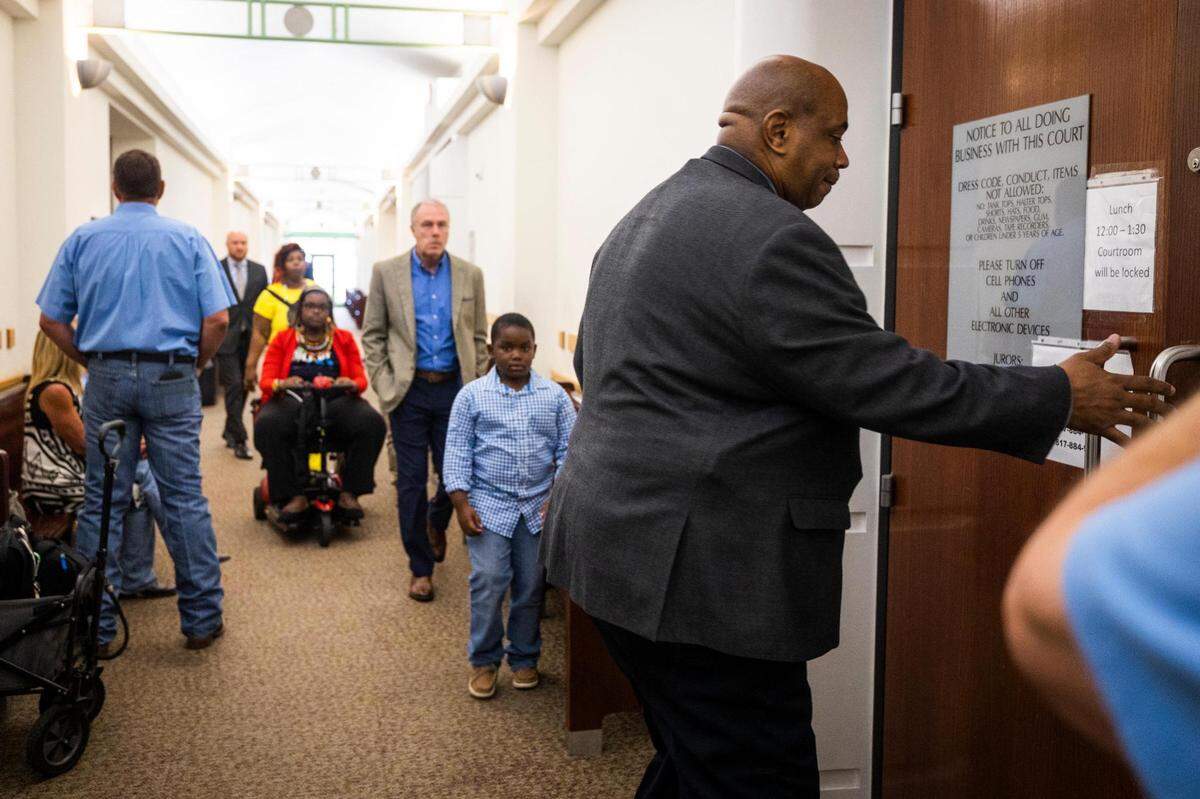
Last week, Dean’s defense attorneys filed a motion asking for a new judge to be appointed to oversee his trial.
Judge David Hagerman has demonstrated in a series of rulings in the Dean case that his impartiality may reasonably be questioned, according to an assessment contained in the motion filed by Dean’s attorneys, Bob Gill and Miles Brissette, that seeks Hagerman’s recusal. The motion also asserts that the judge has a personal bias or prejudice concerning the case’s subject matter or the defense team.
Hagerman declined to voluntarily recuse himself.
The recusal motion cites several steps that it alleges Hagerman has taken in an improper rush to trial in Tarrant County’s 297th District Court. The judge has departed from state criminal procedure code and local rules in scheduling the trial and in one instance did not enforce a gag order in the case, the motion alleges.
The defense called 11 witnesses to support its arguments that Hagerman has been unreasonable and that his demeanor suggests the judge will not be objective during a trial. Second Court of Appeals Justice Lee Gabriel oversaw the hearing.
With the first few witnesses called Thursday morning, Gill focused on Hagerman’s refusal to move the trial — which had been set to start on June 23 — to honor Gill’s vacation plans.
Prosecuting attorney Dale Smith pushed back on this premise, pointing out Hagerman has granted multiple motions from defense attorneys to move the trial to suit their schedules and case readiness.
In a June 3 hearing, Hagerman appeared frustrated with the proceedings, which focused on Gill’s motion to resolve scheduling conflicts. Gill had previously filed a vacation request for June 29 to July 1, and he argued with Hagerman that the Dean trial would not be completed by that time. Hagerman asked if Gill was filing a motion for continuance, and Gill said he was not. Gill — who is a former state district judge — and Hagerman went back and forth throughout the June 3 hearing.
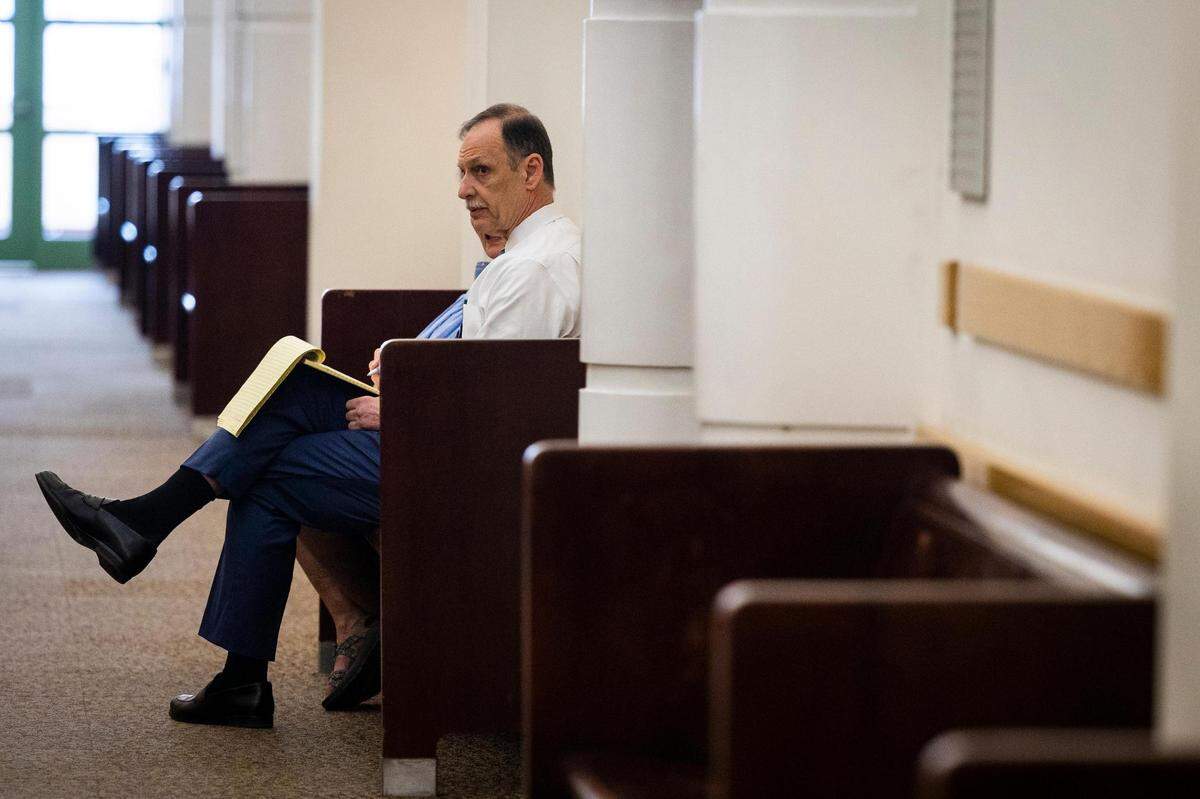
Hagerman did not technically deny Gill’s vacation request, nor did he explicitly say Gill would not be able to go on vacation. When Gill asked about his formal vacation request during the June 3 hearing, Hagerman said the court would figure out the conflict at the time of Gill’s vacation, and would work through weekends to get the case done swiftly. Gill seemed skeptical the trial would be wrapped up by then.
Rose Anna Salinas, a former president and current board member with the Tarrant County Criminal Defense Association, was among the witnesses called Thursday. Salinas said she attended the June 3 hearing after she heard concerns that Hagerman may not follow the local rules. She said she was “shocked” by Hagerman’s tone and his “extremely hostile” attitude toward the defense attorneys.
“I could see the bias. I could feel the bias,” Salinas said.
Salinas said she believes Hagerman’s antagonism toward the defense could “lead a jury to believe that he wants a conviction, that he is the third prosecutor in this courtroom.”
Salinas said her primary interest is not in the Dean case, but instead is in the interest of a judge potentially being biased and hostile toward defense attorneys.
The first witness, defense attorney Don Carter, said he attended the June 3 hearing at Gill’s request. On the stand Thursday, Carter said Hagerman appeared biased against Dean’s defense attorneys.
“I hate to use the term bullying,” Carter said, “but It was like ‘sit down, shut up, we’re going to have this case on this day.’”
Smith questioned Carter, who has been an attorney in Tarrant County since 1972, about whether he was personally interested in the June 3 hearing because he may be concerned about his own future vacation time being honored by judges.
“If one judge ignored vacation letters, it might happen to you?” Smith said to him.
“Exactly,” Carter replied.
Hagerman has moved the trial three times previously — twice to grant motions of continuance from the defense. The trial was also delayed in January because defense attorney Jim Lane is seriously ill and could not participate in the case.
Gill questioned another witness, Fort Worth attorney Mark Daniel, about the rules surrounding vacation time. Daniel said local rules allow attorneys to take vacation if they have put in a formal request, as Gill did, and he had never known a judge to defy those rules. Daniel said the news spread through the Tarrant County courthouse “like wildfire” that a vacation request might not be honored.
Prosecuting attorney Ashlea Deener questioned Daniel about his additional knowledge of the case, and implied all the information he has received about the case has come from Gill. She pointed out Carter did not know for a fact that Hagerman would not have allowed Gill to go on vacation, and he did not know what rulings Hagerman has made throughout the rest of the case.
“No personal knowledge about this topic?” she asked.
“No ma’am,” Carter said.
Prosecutors noted that Hagerman invited Dean’s defense attorneys to renew a change of venue motion to move the trial out of the county once jury selection is underway if it became clear that too many prospective jurors are tainted.
But because jury prospects, after listening to prosecutors ask questions of other potential jurors, often understand that they may become qualified as a juror by stating that they will consider only the evidence presented, a venue change motion at that point is “about as valuable as a warm cup of spit,” Daniel testified.
Hagerman is known for being strict and “he can be rude to everyone” at times, another attorney witness, Harmony Schuerman, said. She noted she personally likes and respects Hagerman, but she was concerned about the aggression he showed against defense attorneys on June 3.
“He’s what we would generally consider to be an equal opportunity kind of guy. He’s just kind of irritable at times,” Schuerman said. “This was not that. There was just a lot of animosity. There just is no comparison.”

A grand jury indicted Dean on a murder charge after he fatally shot Jefferson, a 28-year-old Black woman, through a window at her family’s home in October 2019.
Jefferson’s neighbor James Smith had called the police and asked for a welfare check on the house because a front door was open. Dean and another officer parked around the corner from the home and walked into the back yard.
Inside, Jefferson was playing video games with her 8-year-old nephew when she thought she heard a prowler in the yard. She grabbed a handgun from her purse and pointed it toward the window, according to an arrest warrant affidavit supporting Dean’s arrest.
Dean, who is 37 and white, did not identify himself as a police officer and shot Jefferson within seconds of seeing her through the window, according to body-worn camera video. He resigned from the police department the same day he was arrested, two days after the shooting.
This story was originally published June 23, 2022 at 11:40 AM.