How Fort Worth police chief finalists plan to change culture, build relationships
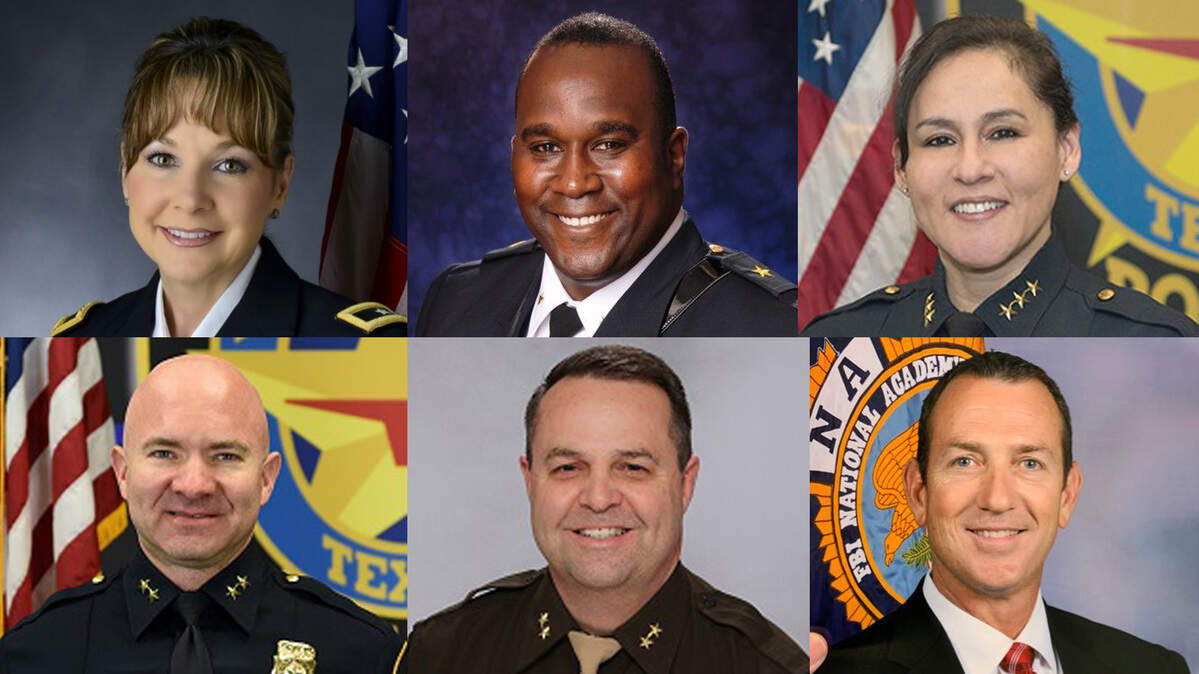
It’s clear from the questions asked of the six police chief finalists on Thursday what the residents of Fort Worth are most concerned about. They asked about combating the rise in violent crime. They asked about officer discipline and how each candidate would hold bad cops accountable. They asked several questions about community policing, building relationships and changing the culture of policing.
The six candidates answering the questions were Wendy Baimbridge of the Houston Police Department, Troy Gay of the Austin Police Department, Christopher C. Jones of the Las Vegas Metropolitan Police Department, Derick Miller of the Carrollton Police Department and Neil Noakes and Julie Swearingin of the Fort Worth Police Department.
Each spent a long day on Thursday proving why they’re the best for the job. It started at 8 a.m. when they spent six hours talking to about 21 business leaders, advocates and other community leaders during a panel discussion.
Deputy City Manager Jay Chapa said he invited about 24 people to the in-person panel. Of those, two couldn’t make it because of conflicting schedules and one person declined the invitation because the city wouldn’t make virtual accommodations, despite the ongoing coronavirus pandemic.
Asked about why, Chapa said it wouldn’t have worked logistically to have one person attend virtually.
Then, at 6:30 p.m., the candidates went to the Fort Worth Convention Center for a socially distanced community forum, which was broadcast on the city’s Facebook page. None of the candidates wore masks. Chapa said each one was spaced out the appropriate amount. One hundred people were invited inside the convention center to watch and they were all sat 10 feet apart, he said.
How would you address the increase of crime?
Baimbridge said one approach she would use to lowering crime is redirecting nonviolent calls so officers can focus on crime-related calls and investigations. She is experienced in this area as she created Houston’s Mental Health Division, which works to reduce police interaction with people in mental health crises.
Fort Worth Police Chief Ed Kraus, who will retire when a replacement is chosen, had similar plans and in August proposed the Community Service Officer program, a 10-person team that would respond to nonviolent calls to leave officers available to respond to other calls.
Gay and Jones said they would use crime data to strengthen their investigative intelligence, while Noakes and Miller said they would focus on the societal issues that lead to crime, such as poverty, failing schools and food deserts.
A common theme of the night was the candidate’s ability to build relationships with communities. It’s those relationships that Jones said would help lower crime. When community members trust their police department, they’re more likely to report crimes.
“We have to solve the shootings and violent crimes that don’t result in murder and then we’ll have a direct impact on the murders,” he said.
What is your approach to community-oriented policing?
Swearingin said said wants to work to gain the respect and trust of communities where that respect and trust isn’t there.
“The police department can’t do this alone,” she said, echoing the responses of the other candidates.
Noakes said the department needs to take the first step and that police officers need to be ready to have difficult conversations and to take criticism with open hearts.
“Community policing is a mindset, not a program,” he said. “Every single interaction with a citizen is a chance for positive experiences and a chance to create a relationship and change the narrative.”
Miller said that question assumes that the police department already has a relationship with every community. He said the Fort Worth police do a great job with their Neighborhood Patrol Officers, but he’d like to see the same policing across the board, no matter what neighborhood the officer is assigned.
Jones said the department needs to hire people who see themselves as guardians. Then, he would train officers to build their own programs specifically for their areas to grow relationships.
How will officers be held accountable? Especially in situations involving use of force.
All of the candidates agreed that clear and strong policies and disciplinary levels are the bedrock of holding officers accountable for their actions.
Jones said he would make sure the internal affairs division reports to someone high in the chain, possibly the chief or next in command. He said getting rid of bad officers would show that policy violations will not be tolerated.
Miller said that excessive force in his department is never tolerated.
“Excessive force takes down every bit of trust we’re all talking about,” he said. “It erodes it ... officers need to be separated and held accountable.”
Miller and Gay agreed that an outside review of use of force incidents by an agency other than the Fort Worth Police Department is one way to be transparent. Miller mentioned having a police monitor, which Fort Worth has. Gay said the Austin Police Department has had a police oversight board since 2001 that holds them accountable.
Baimbridge discussed the idea of mini-training sessions that officers could join throughout the duration of their careers. She described having officers do hour-long training on specific topics after their roll call meetings when needed.
Swearingin echoed the other responses and added that it’s important for the community to understand how the discipline process works.
How would you introduce a cultural change to FWPD?
Every candidate again mentioned building relationships with the community in order to change the culture of policing in Fort Worth.
Swearingin talked about training recruits to understand a cultural change is expected before their jobs even begin. She suggested having people who have had either positive or negative experiences with the Fort Worth police go to a training session to share their experience, which would allow the recruits to see that one split second of a negative experience can set the rest of the tone for the call.
Baimbridge suggested opening the citizens academy to more people and physically bringing it into diverse neighborhoods.
Multiple times throughout the night, Noakes answered by saying police aren’t going to “arrest their way out of crime” and lowering crime also means changing the culture of how officers police.