How coronavirus led to the worst year of domestic violence on record for Tarrant County
In April, Sue Sudduth’s husband strangled her with an electric cord, wrapped her in trash bags and left her body on the bed for two weeks, according to Arlington police.
She was only found after Joseph Sudduth fled to Temple, where he confessed to his brother what he had done and tried to die by suicide. Her cause of death was listed as blunt force injuries, according to the Tarrant County Medical Examiner.
Sue Sudduth’s disappearance went without notice for weeks, likely because the couple — like the rest of the country — was isolated by the COVID-19 pandemic.
“This woman wasn’t being seen,” Kathryn Jacob, president and CEO of SafeHaven, said. “Because no one is being seen. That’s a really dangerous thing.”
The coronavirus pandemic has created a dangerous situation for people — usually women — in abusive relationships or trying to escape from one. Abusers use the isolation of the pandemic to their advantage, and results are devastating.
After trending downward for years, Tarrant County’s domestic violence homicides have risen dramatically since March due to coronavirus, experts like Jacob say.
Since March 2020, 17 people have died as a result of domestic violence, making it the county’s worst year on record for domestic violence homicides, according to preliminary findings from the Tarrant County District Attorney’s Office. That’s a 112% increase from 2019, when eight deaths were linked to domestic violence. The increase in domestic violence homicides is not isolated to Tarrant County, but has been seen across the country.
“(The pandemic) creates the perfect environment for abuse to thrive,” Jacob said. “Abuse is already something that happens in the shadows, and now everything we do is in the shadows.”
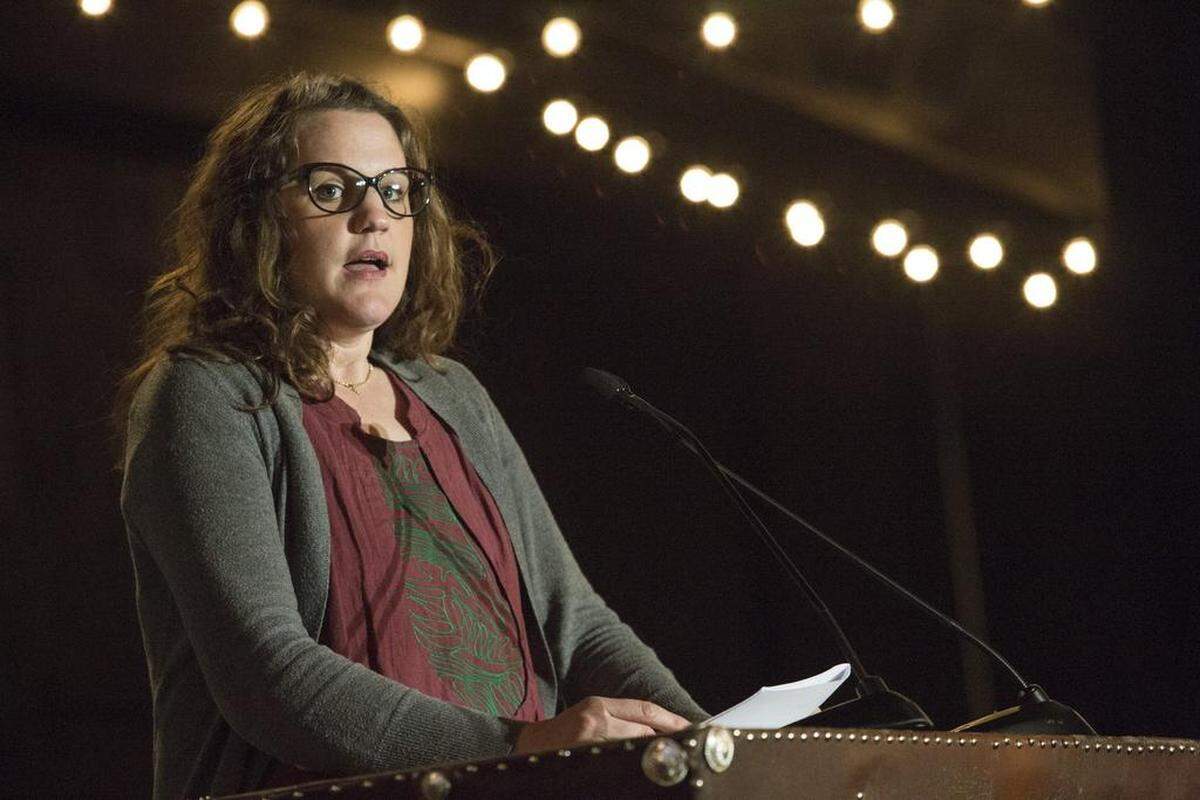
This month, a Fatality Review Team will meet and make a final determination of how many domestic violence homicides they believe the county has seen this year.
The Fatality Review Team is made up of partners that each conduct case analysis and provide information. The Arlington Police Department, the Fort Worth Police Department, John Peter Smith Hospital, MedStar, the Office of the Criminal District Attorney, SafeHaven of Tarrant County and Texas Health Resources are contributing partners.
The cases being reviewed by the team have not been adjudicated yet — a case being listed does not mean the suspect has been found guilty.
Rising cases in Tarrant
Until this year, 2016 was the worst year in recent record for domestic violence homicides in Tarrant County. By December, 16 people had been killed by an intimate partner or former partner in the county — the second highest in the state of Texas.
SafeHaven, the largest agency in Tarrant County providing services to domestic violence victims, partnered with various groups to start the Domestic Violence High Risk Team. The team, which includes partners from the DA’s office and John Peter Smith Hospital, has a two-pronged approach — pinpoint high-risk victims and track offenders. By fostering communication between the multiple agencies that can be involved in a domestic violence case, the DVHRT can help determine which domestic violence cases should be prioritized as potentially leading to homicide.
The team also tracks offenders and seeks more effective prosecution, such as increased bond or more stringent sentences.
By the end of 2017, the homicides dropped to 12. In 2018 and 2019, eight people each year were victims of intimate partner homicide. And from September 2019 to March 2020, zero men or women were found to have died from domestic violence in Tarrant County.
Then coronavirus hit.
In a seven-month period, 17 people died in domestic violence-related homicides. Sixteen were killed by a former or current partner, according to the DA’s office. One person, 28-year-old Kameion Kitchen, was the suspected shooter’s stepson.
“I feel really strongly that perhaps some of these homicides would happen regardless,” Jacob said. “But the pandemic provides such an opportunity for an offender to offend.”
.jpg "SafeHaven (pb).jpg")
Abusers use every tool they can to control their partner. There are obvious methods — such as physical abuse — but abusers also use tactics such as coercion, manipulation and isolation to try and gain power. Unfortunately, many of those tactics became easier once many people were not going to work or seeing friends and family. The stay-at-home orders gave abusers a way to easily control when and where their partner could go.
Jacob said SafeHaven has received calls about partners leaving a weapon by the front door as a silent threat not to leave the house. One person who worked at a grocery store was forced to sleep outside because “they might bring COVID inside.” Another person’s partner forced her to wash her hands until they bled.
“What a pandemic does is it isolates everybody,” Jacob said. “Domestic violence victims get double the negative effects of the isolation.”
An unexpected consequence of COVID-19 has also been that people are able to post bonds and leave jail more quickly. The premise of the policy is to keep jails from becoming hotbeds for the virus, but it has unintended consequences for domestic abuse victims. A domestic abuse offender who is arrested but released on bond while waiting for trial might be more likely to “decide they have nothing left to lose,” Jacob said.
To combat this, Jacob said the High Risk Team widened its net of who it monitors to track people who usually would be held in jail on bond, but were released because of the pandemic.
How to help — or get help
The isolation of COVID-19 also makes it hard for some people to seek help, said Ken Shetter, president of One Safe Place in Fort Worth. It’s safest for someone to call a shelter, the police or another person for help when their partner is out of the house — a chance that might be more rare due to the pandemic.
Factors such as finances, childcare options and jobs might become more stressful due to the pandemic. Family stressors do not cause domestic violence, Shetter emphasized, but they can trigger incidents of domestic violence.
“A victim might be under greater risk because there are more triggers,” he said.
Community members can help by checking up on their friends and neighbors.
“Everyone should just know that we need to work together and check on one another to make sure that people aren’t isolated,” Shetter said. “That doesn’t mean showing up at someone’s door. But it does mean calling one another, checking on one another.”
Fundraising at many nonprofits has also dropped during COVID-19, so organizations need monetary donations. To donate to One Safe Place, visit the website, call Felipe Gutierrez at 817-502-7224 or email Fgutierrez@OneSafePlace.org. To donate to SafeHaven, visit the organization’s website.
Someone might try to lie and convince their partner that no one is going to help them because of the pandemic. They might say the police aren’t answering 911 calls, or that they cannot go to a hospital because they will catch the virus.
But, as Jacob and Shetter emphasized, there are still many ways that people experiencing domestic violence can get help.
People can connect with SafeHaven and One Safe Place virtually or over the phone. SafeHaven has seen a consistent call rate of about 30% above average for the past few months, so the organization added more staff who take calls 24/7.
SafeHaven’s 24/7 hotline is 1-877-701-SAFE and the website is www.safehaventc.org. One Safe Place can be reached at all times at 817-916-4323 or on their website at www.onesafeplace.org.
Methodist Justice Ministry provides free legal representation to victims of domestic violence in Tarrant, Johnson and Parker Counties. The nonprofit provides financial support for rent, utilities, car repair, medical equipment, education and job training as well as counseling.
Methodist Justice Ministry can be reached at 817-339-2407 or via email at mjm@myfumc.org and is located at 750 W 5th St in Fort Worth.
Domestic Violence Hotline
If you’re experiencing abuse or partner violence and need help, you can also call the National Domestic Violence Hotline at 1-800-799-7233, or you can chat with an advocate on the website.
This story was originally published November 30, 2020 at 6:00 AM.