Fort Worth police identify man who murdered 11-year-old girl in 36-year-old cold case
For 36 years, a Fort Worth mystery has kept family members and detectives alike awake at night.
On Monday, the enigma of 11-year-old Julie Fuller’s murder finally ended by means of DNA-mapping technology.
In 1983, Julie went to take the trash out at the Arlington motel that she, her brother and mother were staying at.
She never came back.
The next day, construction workers found her naked body along the bank of the Trinity River in northeast Fort Worth. She had been raped and strangled.
Police took DNA that the killer left behind but found no match in their databases.
In 2018, the Fort Worth Police Department partnered with Parabon Nanolabs, a Virginia-based company that tracks DNA that is not in law enforcement’s databases through genealogical mapping. In February 2018, the company analyzed DNA samples to create a snapshot of what Julie’s killer looked like.
On Monday, the company found a match to that DNA, Fort Worth homicide Detective Tom O’Brien said, and identified James Francis McNichols as Julie’s killer.
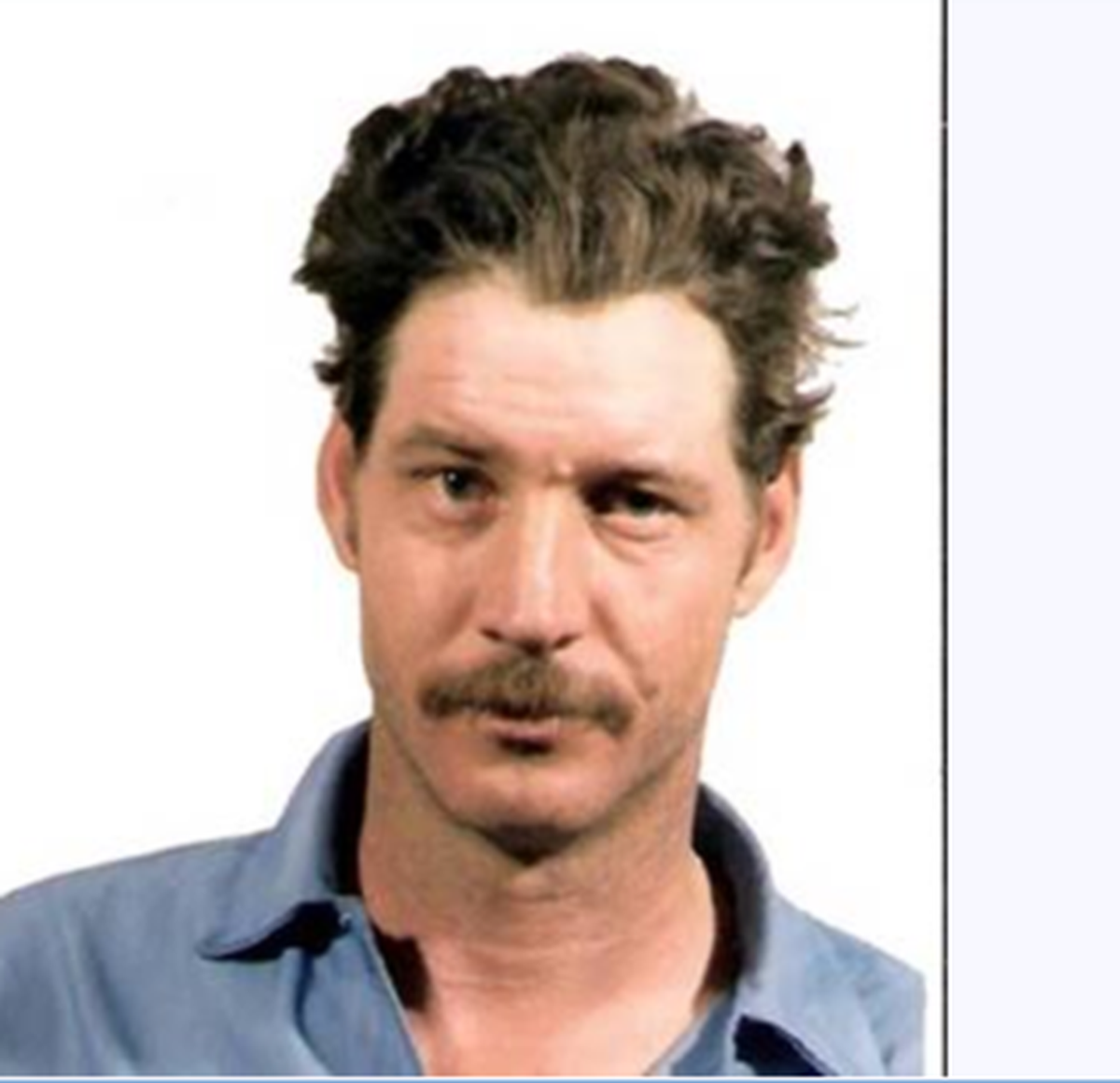
However, the resolution is not exactly what O’Brien was hoping for — McNichols died in 2004.
“I wanted him to be held accountable for it,” said O’Brien, who has been working on the case since 2013.
Closure for family
When O’Brien called Julie’s family, they were excited and emotional, he said.
Lee Fuller, who lives in Virginia, was 13 when his sister went missing. He and his family were staying at the Kensington Motor Lodge and Apartments, and he remembers their stay as a kind of vacation. They played video games and swam in the pool, he said in a previous interview with the Star-Telegram.
But the day Julie offered to take the trash out and never came back has haunted Lee Fuller his whole life, and he still blames himself in a way for what happened to her.
Fuller’s parents, who live in England, were relieved to finally know what happened to their daughter, O’Brien said.
Although he wishes McNichols had been forced to answer for his crimes, O’Brien said he was glad to at least give Julie’s family answers after all these years.
“It’s one of those things that I’m almost kind of numb to it, I’ve been after it for so long,” O’Brien said. “I’m excited for the family. It’s about the only thing you can offer the family in something so horrific, to give them some closure.”
After positively identifying McNichols, O’Brien reached out to McNichols’ family, who confirmed the man was in Fort Worth at the time of Julie’s murder. O’Brien found further reports that corroborated his presence in the area.
O’Brien also found evidence McNichols had preyed upon others, although those assaults went unreported.
As for Julie, her murder appears to have been a crime of opportunity; McNichols was most likely “looking for somebody and saw her,” O’Brien said.
DNA technology
Without Parabon’s DNA technology, Julie’s killer may never have been identified, O’Brien said.
Parabon uses DNA samples to create a genetic genealogy, meaning they use a small sample of DNA to map biological relationships to other people, according to the company’s website.
This means that using only a snapshot of someone’s DNA, they can identify that person’s potential relatives through their own database, which is made up of DNA from volunteer participants.
Julie’s case is the first time Fort Worth police have used genetic genealogy, and O’Brien said they are already looking at other cases they can use it in.
The same DNA process has been used in dozens of other cases. Recently, Parabon Nanolabs used the technology to solve the 1984 murder of 15-year-old Reesa Trexler in North Carolina, police in Salisbury announced Dec. 3, according to ABC News.
This story was originally published December 13, 2019 at 12:52 PM.