‘I can’t breathe.’ New details in man’s death, which resulted in 5 officers fired
A man whose death prompted the firing of five Fort Worth police officers repeatedly told them he was dying and could not breathe as he was taken into custody.
Instead of calling for help, officers berated him, one threatened to pepper spray him and others conspired to not tell medical staff he was on drugs, according to disciplinary letters obtained by the Star-Telegram.
In July, Christopher Lowe, 55, died in the back of a police cruiser after being placed in the car by police.
Fired from the police department Tuesday were patrol officers Christopher Golden, Taylor Stephens, Daniel Pritzker, Hans Fellhauer and Mitchell Miller.
Two other patrol officers were suspended without pay — Scott Smith for 90 days and Andrew Scharf for five days.
Six of the officers are appealing. Smith waived his right to appeal by accepting the 90-day suspension in lieu of termination.
Terry Daffron, the attorney representing the officers, blamed a lack of training for the tragic episode.
“The department has been very critical of the officers’ inactions at the scene. What the department is not acknowledging is that there was clearly a systematic failure in training,” said Daffron, an attorney with the Combined Law Enforcement Associations of Texas.
Daffron said the department’s training expert stated in the investigation that he believed Lowe was exhibiting symptoms of “excited delirium” due to acute cocaine intoxication.
“These officers received very limited training regarding the symptoms of excited delirium, and that training was only classroom based,” Daffron said. “There was no scenario-based training regarding excited delirium.
“When all seven officers on scene failed to realize that Mr. Lowe may have been exhibiting symptoms of excited delirium that clearly indicates a systematic failure in training by the department.”
‘I can’t breathe’
The following is the course of events leading up to Lowe’s death, according to disciplinary letters:
On July 26, Officer Smith was called to 3304 Griggs Ave. for a reported prowler. He found Lowe holding a metal pipe and banging it on the burglar bars on a window of the home.
Smith called officers Golden and Miller for back up. When they arrived, Lowe tossed the pipe away, and Smith told him to get onto his stomach.
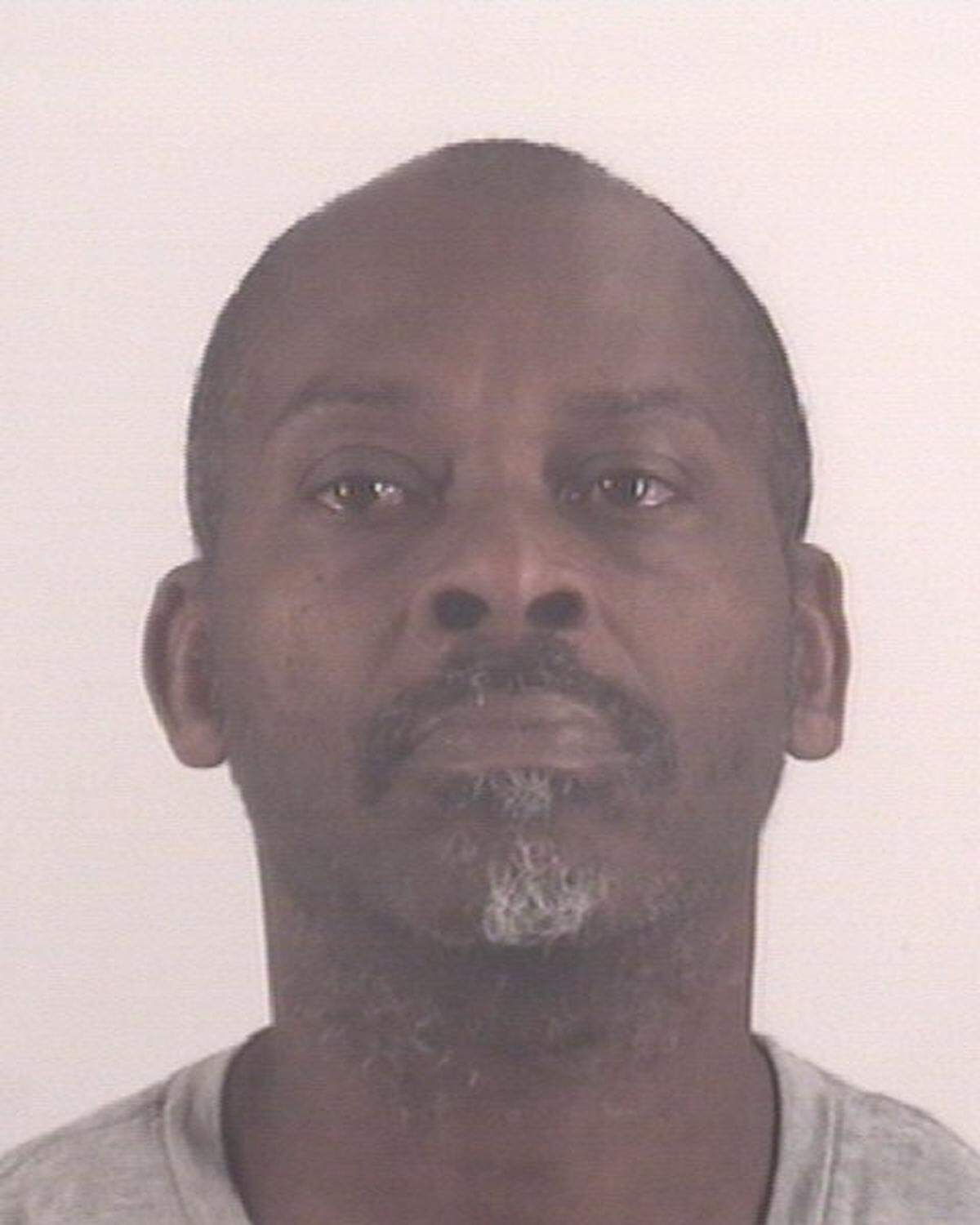
The officers handcuffed Lowe, who repeatedly told officers he was sick.
Lowe cooperated with the officers’ demands, but had to be pulled to his feet after saying he was not able to stand up.
Smith told Lowe, “If you had all this energy to fight and hit the windows, you can walk.”
He also told the other officers that Lowe’s eyes were “bugged out.”
When Lowe told officers he could not breathe, Golden replied, “Don’t pull that (expletive),” a disciplinary letter states.
Lowe had trouble walking and collapsed repeatedly as he was led, handcuffed, and put in the back seat of the patrol car, the letters say.
After Lowe was put in the car, three more officers arrived and were filled in on Lowe’s behavior, including that he complained of his inability to walk and breathe, the letters say.
Once inside the car, Lowe started beating his head against the inside of the car.
Officer Golden threatened to pepper spray inside the car and asked for Lowe’s name. When Lowe responded that he needed to go to the hospital, Golden said officers needed his name before they could take him to the hospital.
“Once his identification was obtained, neither Officer Golden nor the other officers requested an ambulance at that time,” Golden’s disciplinary letter states.
The officers determined they would take Lowe to John Peter Smith Hospital.
The letter accuses two of the officers — Stephens and Pritzker — of conspiring to lie to John Peter Smith Hospital officials so Lowe would be admitted on an emergency mental detention.
Stephens told the officers taking Lowe to the hospital to “take him straight up and don’t say anything else,” according to the letters.
According to their disciplinary letters, Pritzker told another officer to withhold information that they believed Lowe was under the influence of drugs so that Lowe would not have to be medically cleared first, thus avoiding a hospital guard detail.
Thirteen minutes after Lowe was put in the back of the patrol car, an officer found him unresponsive and not breathing, the letter states.
Officers then called for an ambulance and performed CPR on Lowe. He was pronounced dead shortly after arriving at John Peter Smith.
“These officers did not act with malevolent hearts, when the officers realized that Mr. Lowe was in distress, they immediately started CPR and called for Medstar,” Daffron, the attorney for the officers, said. “The officers continued CPR and taking turns switching out with each other to avoid exhaustion until MedStar arrived on scene.”
Lowe’s death was ruled an accident caused by acute cocaine intoxication and “recent methamphetamine use,” according to the disciplinary letters.
Daffron said the narrative contained in the discipline letters “inaccurately represents what happened that night.”
She described the events as a “fluid, dynamic situation” where officers’ attentions were aimed at securing the scene and suspect, investigating the offense, interviewing witnesses and calming down the complainant.
“Each officer involved had different interactions with Mr. Lowe. Some did not have any interaction with him, however all officers seem to be held accountable for hearing every statement made, even if not in a position to have actually heard the statement,” Daffron said.
Five of the officers — Pritzker, Stephens, Golden, Miller and Scharf — have worked at the department for less than three years.
Smith has worked at the department since 2008 and Fellhauer has been a Fort Worth officer since 2015.
A similar death
The case bears similarities to the April 2015 death of Alisha Trevino, a 25-year-old Springtown woman who, unbeknownst to officers, had swallowed a bag of methamphetamine after she and her boyfriend were pulled over by Fort Worth police.
An investigation by the department’s major case unit found officers did not immediately call for an ambulance for Trevino after she vomited and complained that she couldn’t breathe and was having a seizure because they believed she was faking illness in hopes of avoiding jail. When an ambulance was summoned, paramedics found Trevino barely breathing.
She died two days later after being removed from life support.
A Tarrant County grand jury reviewed the case but declined to indict any of the officers involved. An internal affairs investigation was also conducted but led to no suspensions by then interim Chief Rhonda Robertson.
Trevino’s parents filed a federal lawsuit against the city, the police department and seven officers.
The seven officers were later dismissed from the suit after the court found they were not deliberately indifferent to any serious medical need of Trevino, nor did they violate any law. The suit remains pending, however, against the city and police department, court records show.
This story was originally published January 16, 2019 at 6:52 PM.