
Massive fish kill results in restoration of wildlife at popular North Texas lake
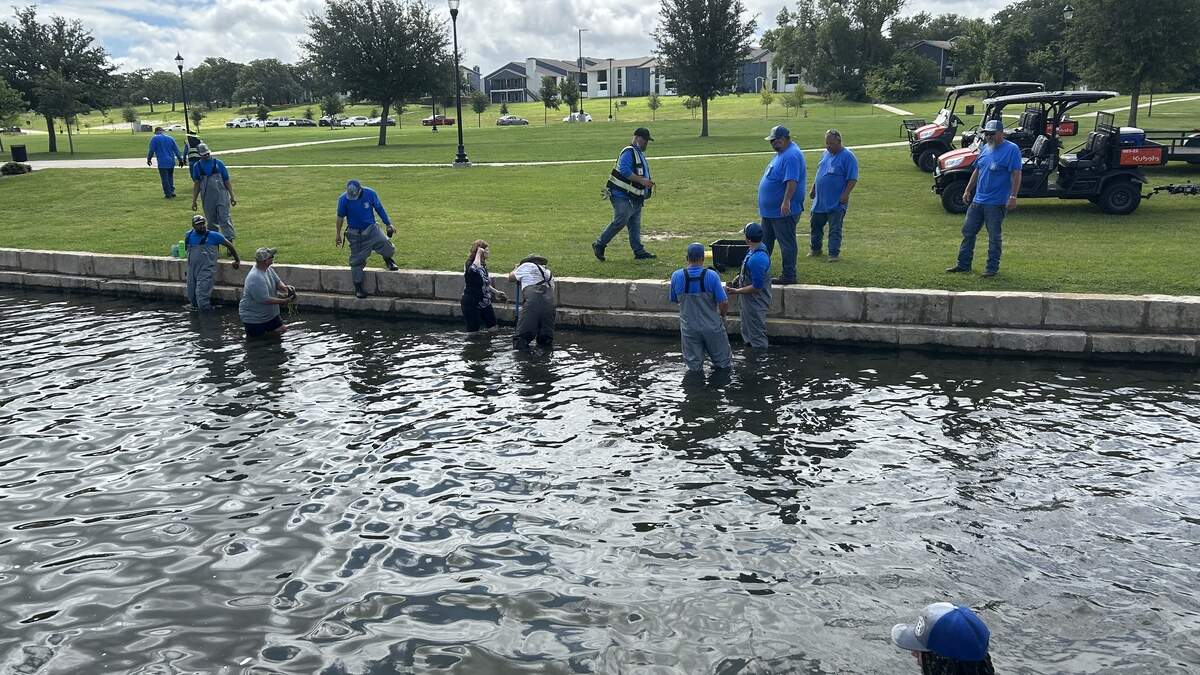
Almost a year after an unknown number of fish died at the well-known Bedford Boys Ranch Lake, city and state officials along with volunteers are joining forces to restore the delicate ecosystem.
According to a news release, the City of Bedford formed a partnership with the Texas Department of Parks and Wildlife and “dedicated volunteers” to plant 370 native aquatic plants throughout the lake which included pickerelweed, water willow, and eelgrass.
The plants will help provide a native habitat for fish and other wildlife, improve water quality and create a healthier ecosystem throughout the lake.
Adding the native plants is building on an effort to restock fish which is part of a restoration plan developed with the Texas Parks and Wildlife.
Approximately 350 adult bluegill and 300 fingerling largemouth bass have been introduced into the lake.
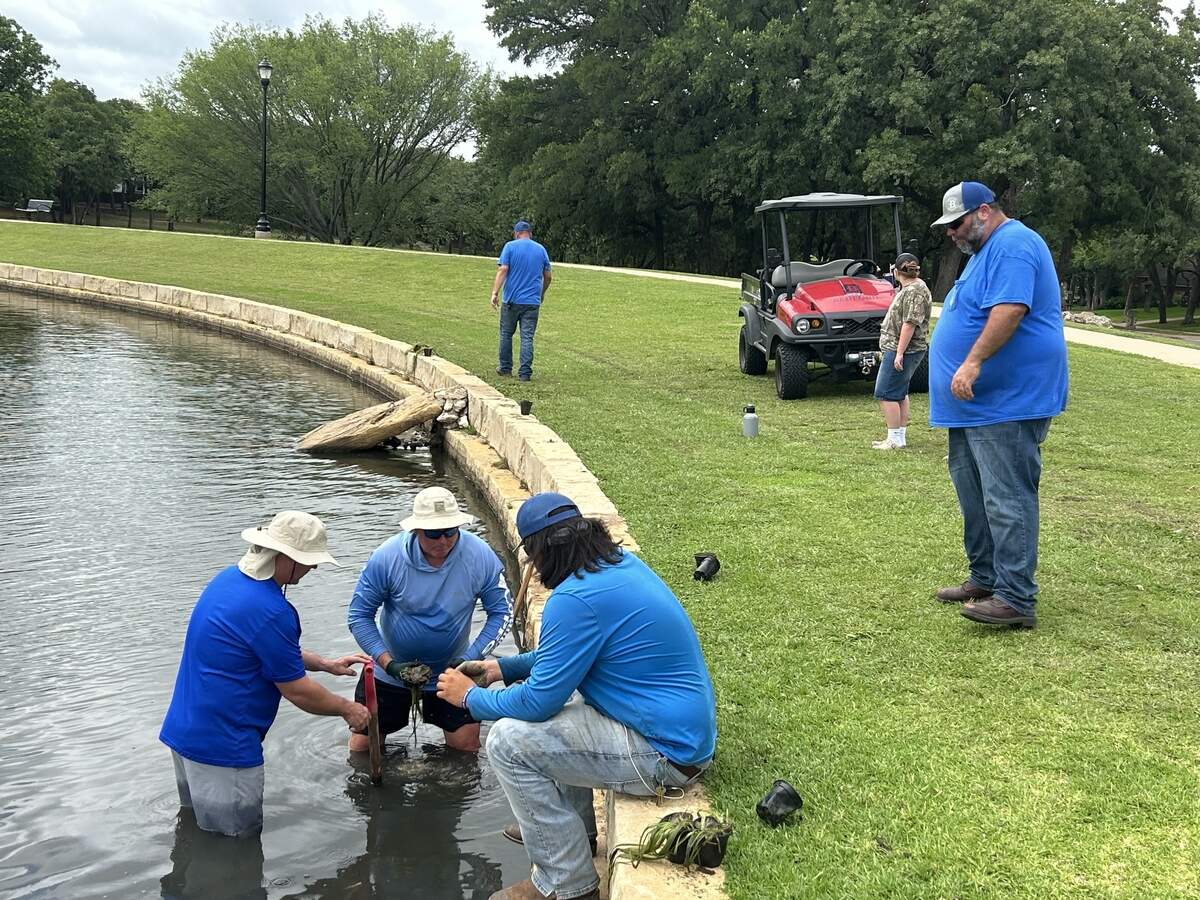
Fisheries biologists say that restoring the lake after a significant fish loss requires rebuilding the ecosystem in stages.
“We are following TPWD’s guidance by not stocking large numbers of adult bass too early, which can actually slow recovery by disrupting the balance between predator and forage species,” according to the news release. “Instead, the focus is on rebuilding the food chain and habitat first, allowing the fishery to recover naturally over time.”
Molly Fox, a spokesperson for the city, said the restoration efforts began after an unknown number of fish died last July.
Test results showed that a spike in chlorine levels from an unknown source led to the massive fish kill, although turtles, ducks and other wildlife weren’t affected.