He was diagnosed with cancer at 37. Here’s what he wants you to know.
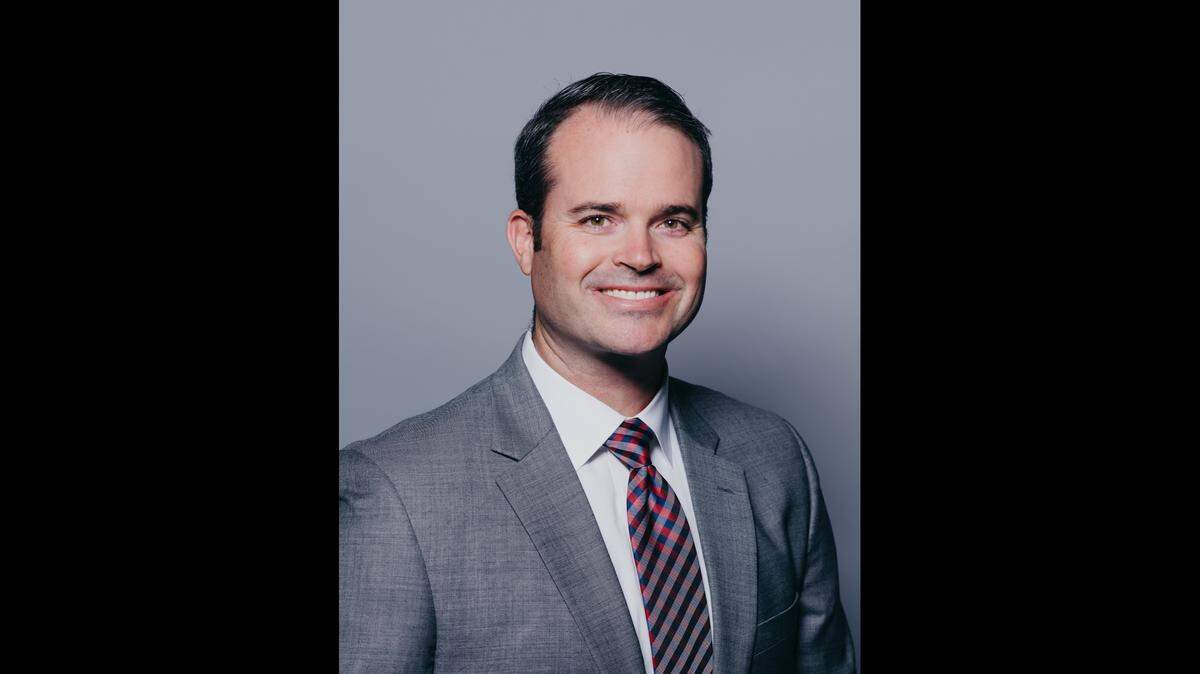
Anthony Tovado didn’t think much when he started to feel more fatigued on his runs. The 38-year-old figured it was just part of being a dad and getting older.
But when Tovado got some routine blood work done, the results showed that he had low hemoglobin. His doctor prescribed him an iron pill, and said to get his blood checked again in a week.
His hemoglobin levels were still low.
A specialist scheduled a colonoscopy, and found a tumor in the hepatic flexure of his large intestine. The tumor was cancerous.
Tovado, who lives near Aledo, is part of a growing number of young Americans who have been diagnosed with colorectal cancer under the age of 50. Tovado was diagnosed when he was 37.
Colorectal cancer is the leading cause of cancer death in Americans under 50, according to a recent study published in the Journal of the American Medical Association. Colorectal cancer death rates in people under 50 have increased 1% every year since 2005, even as overall cancer death rates in young people have declined.
Dr. Zihao Wu, a surgeon at Texas Health Harris Methodist Hospital Fort Worth and Tovado’s doctor, said more young people were being diagnosed with colorectal cancer for a variety of reasons.
“There’s no one single factor that explains (the increase),” he said.
Possible contributing factors include lifestyle and diet, and changes to the gut microbiome, he said.
At the early stages, Wu said, colorectal cancer doesn’t show symptoms. By the time patients begin experiencing symptoms, the cancer is likely at an advanced stage, Wu said.
The diagnosis came as a shock to Tovado, who had no family history of colon cancer and had been diligently getting annual physicals as a fighter pilot in the military.
“It’s not like I had gone five years without getting a medical exam,” he said.
After receiving his diagnosis, Tovado experienced a whirlwind of emotions. He struggled with how to tell his three children what he was going through, and wondered whether he’d make it to their graduations or their weddings. But he eventually decided he wasn’t going to feel sorry for himself.
“I’m going to fight this with every effort to get better,” Tovado said. “I kind of made a deal with myself that whenever this concluded, I was not going to have any regrets.”
So Tovado began treatment. He had six rounds of chemotherapy over three months. He paired that with changes to his diet and continued to exercise. Tovado said he got through chemotherapy by focusing on several hour chunks at a time.
After that, Wu performed surgery to remove the tumor, which was followed by more chemotherapy.
Since Tovado had surgery in September, there’s been no sign of cancer in his body, he said.
Now, Tovado is returning to his daily life. He’s working to get his medical clearance to return to work, and he’s enjoying time with his family, he said.
For people of average risk, the American Cancer Society recommends that colorectal cancer screening begins at 45, which would have been too late to catch Tovado’s cancer. He believes the screening age should be lowered to 30, to catch more young people with colorectal cancer. He also recommends that the general population stay current on their regular medical checkups to catch odd symptoms that might indicate cancer.
“I would love nothing more than for that initial checkup screening to get reduced,” he said.