Tarrant County bucks national trend with more kids vaccinated
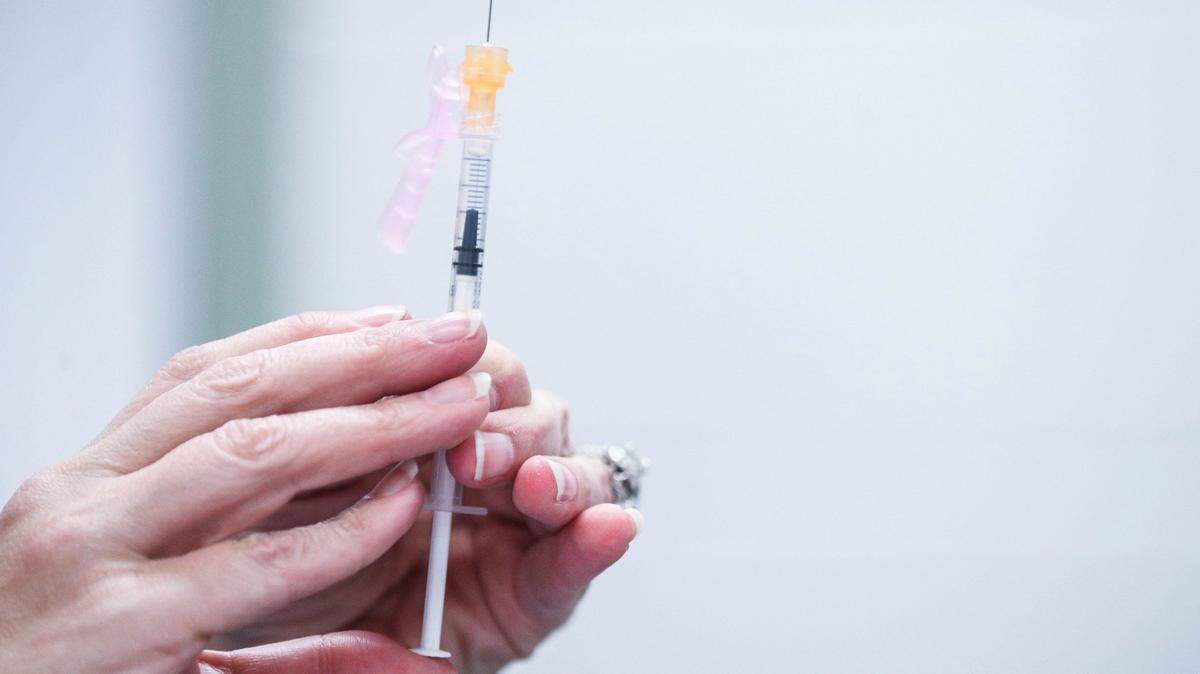
More Tarrant County kindergartners were vaccinated against measles last year, largely due to a notable increase in Fort Worth students who were up-to-date on their shots, according to the latest data.
Across all Tarrant County schools, almost 94% of kindergartners were vaccinated with the measles, mumps, and rubella vaccine in the 2024-25 school year, up from 92% the year before.
The biggest improvement was in the Fort Worth school district, which increased its MMR vaccination rate from 84% to 95%. The school district previously had the second-lowest vaccination rate of the 10 largest school districts in Texas.
Fort Worth’s vaccination rate improved so much thanks to increased communication between the parents and the district, said Shannon Cooper, the director of health services for the district. Cooper said she and Superintendent Karen Molinar decided to get campus administrators involved in improving vaccination rates and supporting school nurses.
“We started planning for communications to start early out to families about what was needed,” she said.
Social media was particularly effective at reaching parents, Cooper said.
The district also continued its partnerships with Tarrant County Public Health and UNT Health Fort Worth’s pediatric mobile clinic to connect families with vaccines.
Cooper added that students of all ages, and not just kindergartners, saw improved vaccination rates.
Fort Worth’s increase in vaccinations comes as the nation as whole experienced a slight decrease in kindergartners vaccinated, down to 92.5%, according to data from the U.S. Centers for Disease Control and Prevention.
And although Tarrant County’s overall MMR vaccination rate improved, there was also an increase in the number of families filing conscientious exemptions for their children. The share of kindergartners with an exemption for at least one vaccine increased from 3.2% to 4.2% last year.
Tarrant County’s improved overall vaccination rate doesn’t mean that all kids are protected from disease. The Star-Telegram reported last year that vaccination rates varied widely by campus, with schools like the Mercy Culture Preparatory Academy having just 5% of their students vaccinated, the second lowest rate in the entire state. Other schools reported 100% of kindergartners vaccinated. At vaccination rates of 90% or below, data indicates the chance of an outbreak at a school rises to 51% if someone comes to school with measles. The lower the rate gets, the more likely an outbreak.
It’s the campus rates, not the county- or district-wide rates, that matter most in terms of preventing an outbreak, said Dr. David Higgins, a pediatrician and professor at the University of Colorado’s medical school.
“The vaccination rate at that hyper local level is what actually really matters,” he said.
Communities with low vaccination rates, he said, are like “a dry forest waiting for a spark to start a wildfire.”
Low vaccination rates in Gaines County on the New Mexico border contributed to a measles outbreak this year that ultimately infected 762 people, killing two children. It was the nation’s largest measles outbreak since measles was declared eliminated in 2000.
Data on vaccine uptake is delayed by a year, so any impact the measles outbreak in West Texas had on vaccination rates won’t be clear until next year.
Vaccines have become a point of contention for some, even reportedly pushing a man to fire 180 rounds at the CDC’s headquarters because he blamed the COVID-19 vaccine for making him depressed. But Higgins said the overall picture on vaccine hesitancy isn’t clear.
“We don’t have good, reliable data that’s up-to-date on what’s happening with vaccine hesitancy,” he said.