
Texas, is your electricity bill high? Compared to other states, we don’t have it so bad
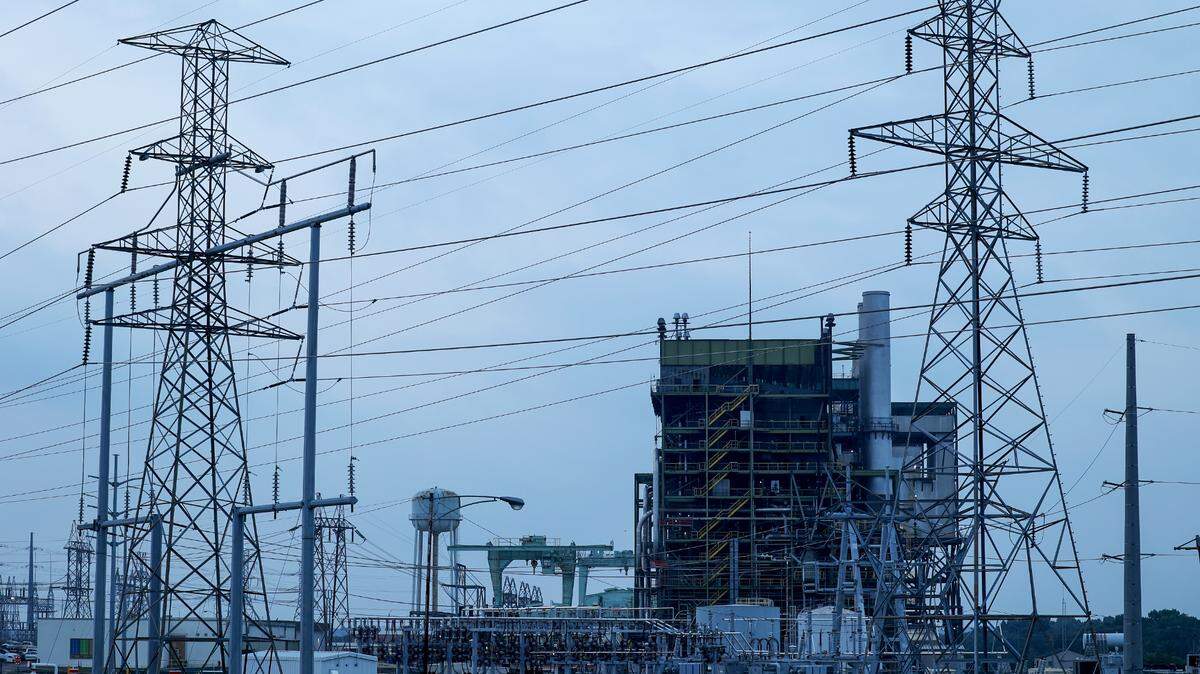
These triple-digit summer heat waves don’t save anyone money on their utility bills, but apparently Texans shouldn’t be complaining.
WalletHub calculated each state’s average monthly energy bill and found that Texas ranks very low at No. 47, with a monthly average of $437 on electricity. The highest-priced state is Wyoming, with an average of $1,591 a month.
States all have different energy prices due to a number of factors like supply and demand, energy sources, and energy regulation. One thing about Texas that makes us different from others is that we operate our own power grid.
“States such as Texas have a deregulated electricity marketplace,” said Justin Perryman, a Washington University Adjunct Professor of Law, “In deregulated markets there are typically more energy providers which often leads to more competition and lower prices.”
A deregulated market is when you, as a consumer, can choose which energy supplier you want. This allows you to choose the best plan for you and your household, which becomes especially important during peak season.
According to the U.S. Energy Information Administration, July and August is when residents are running their air conditioning the most, due to the scorching outside temperatures. Though Texas may have some of the hottest temperatures, we are not high on the list.
How WalletHub determined state rankings
To determine the results, WalletHub determined the monthly average based on the following factors: average monthly consumption of electricity, average monthly consumption of natural gas, average monthly consumption of home heating oil, and average motor-fuel price. All data was gathered from U.S. agencies.
Wyoming, $1,591
North Dakota, $840
Iowa, $798
Montana, $787
Minnesota, $782
Massachusetts, $759
Connecticut, $750
Alaska, $716
South Dakota, $709
Virginia, $694
Rhode Island, $690
Utah, $684
Alabama, $677
Pennsylvania, $669
Maryland, $665
New Hampshire, $662
Wisconsin, $659
West Virginia, $659
Maine, $645
Indiana, $645
Vermont, $644
New Jersey, $643
Ohio, $630
Illinois, $622
Washington, $618
Oregon, $591
Idaho, $591
New York, $589
Hawaii, $583
Michigan, $583
Missouri, $578
Delaware, $564
North Carolina, $557
Kentucky, $556
Arkansas, $541
Nevada, $538
Georgia, $533
South Carolina, $533
Tennessee, $524
Oklahoma, $477
California,$476
Louisiana, $474
Colorado, $470
Florida, $462
Mississippi, $457
Nebraska, $453
Texas, $437
Kansas, $436
Arizona, $400
New Mexico, $376
Using your AC during the Texas summer
Patricia Adler, the communication specialist for HVAC Home Gnome, spoke with Star-Telegram and shared some tips on running your system effectively.
One mistake that people make is turning off the AC completely and they’re only going to be gone for a few hours. It often takes more energy to turn it off and on,” according to Adler. Instead turn it up a few degrees warmer while you’re out and about to give some relief.
Outside units, also known as condensers, get awfully dirty during summer. Due to more foot traffic and lawn maintenance, extra attention should be given to your condenser. Ensuring that the cords aren’t jumbled and the unit has room to breathe will properly take care of it.
Annual maintenance is very important. People tend to forget calling a technician to come out to check on your HVAC is an annual necessity. Doing this right before summer is not a bad idea.
Filters are recommended to be changed at least twice a year. However, people with more pets or residents may want to do this more often. This is ultra important because neglect can result in an accidental house fire.
Closing blinds during the day to prevent sun heating up your space helps. Avoid excessive use of the stove or oven during the day. Also, surprisingly, trying to avoid using dishwashers or laundry machines during daytime can help with cooling efficiency.
Double checking that all doors and windows, or any openings to the outside are properly insulated.
This story was originally published July 2, 2024 at 12:48 PM.