Fort Worth Green Book exhibit focuses Jim Crow era traveling through a local lens
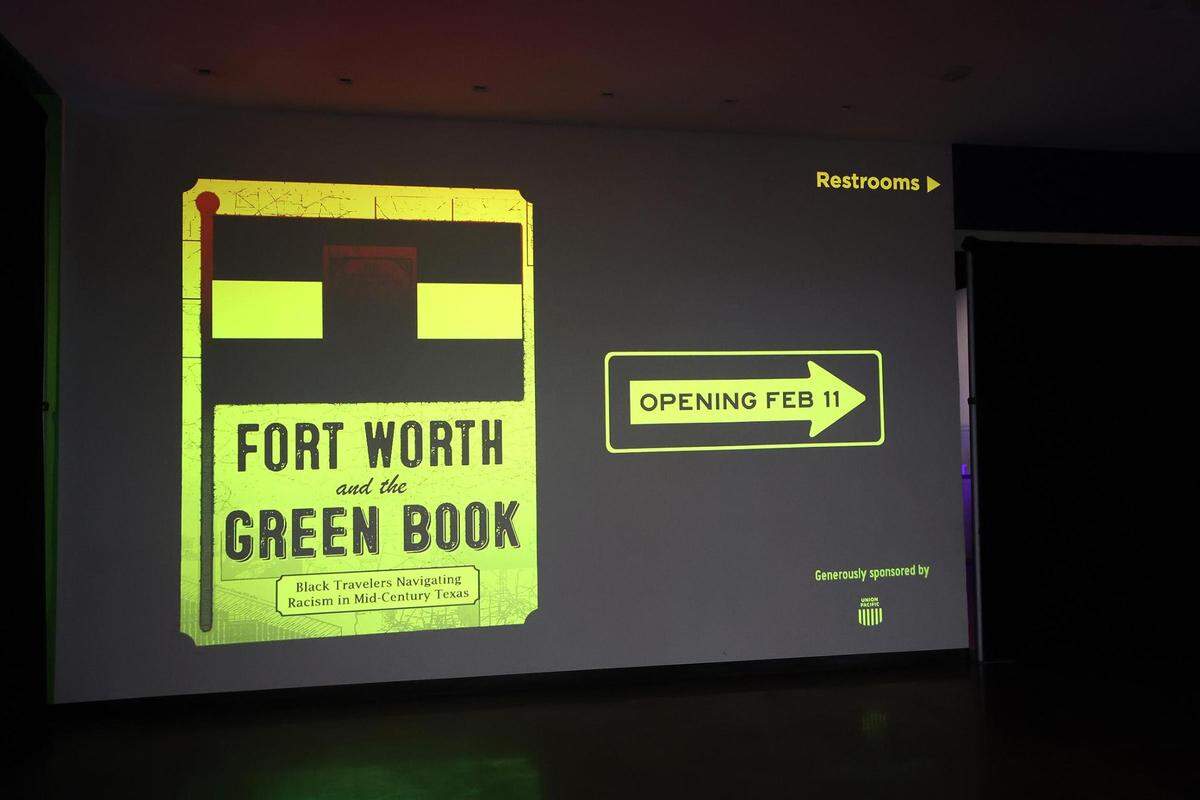
A new exhibit called “Fort Worth and the Green Book” opened at the Fort Worth Museum of Science and History on Friday, highlighting the Jim Crow Era travel guide used by Black Americans through a local lens.
The Green Book originated in the 1930s during the rise of the automobile by New York City mailman Victor Hugo Green as a guide for Black travelers to avoid dangers and difficulties on the road in the United States, Canada and Mexico, and to enhance the road trip experience. According to the Texas Historical Commission, the travel guides were published until the late 1960s.
Green Book guides included hotels, service stations and restaurants along with tips on good and bad parts of town. At the start of publication, the guide only covered the northeastern portion of the United States, Rehnberg said, but later included other areas and cities nationally including Fort Worth.
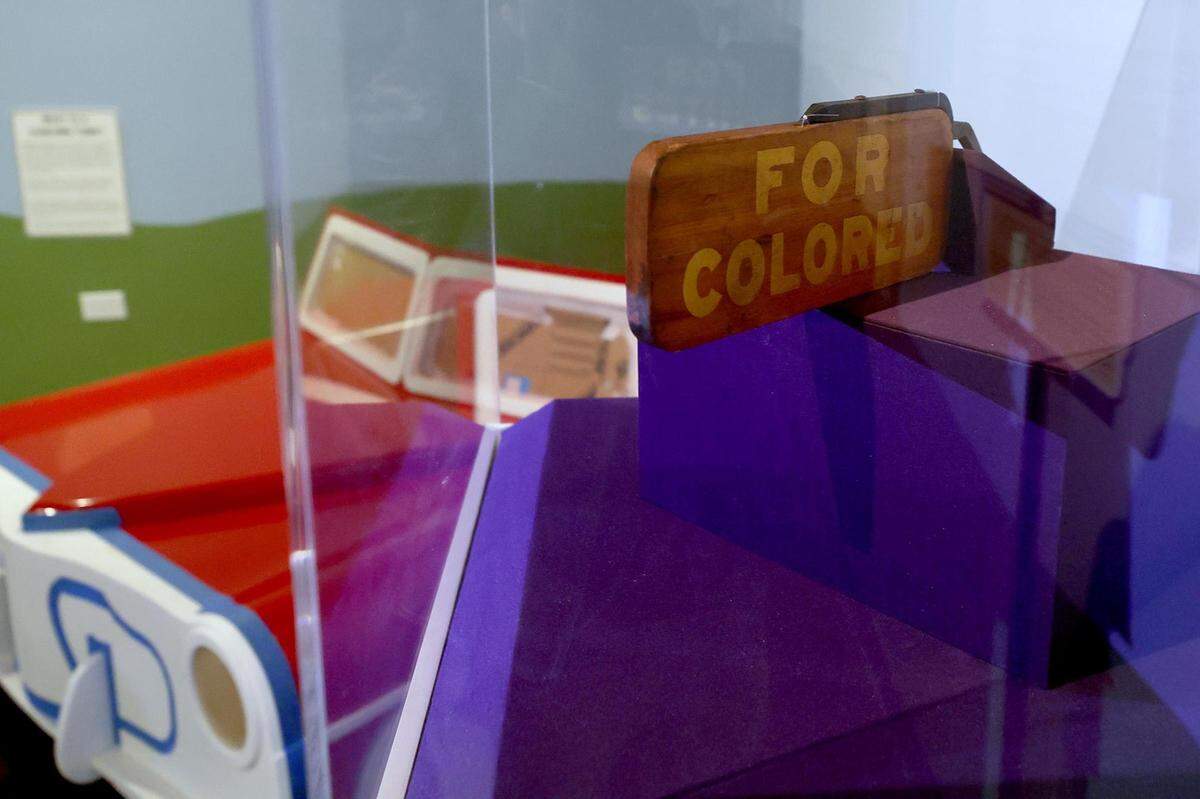
The exhibit opens 67 years after the museum’s board of trustees issued a memo for plans to desegregate its exhibits and galleries — the museum’s classes and activities were still segregated for years after the decision because of Texas state law. Museum Chief Scientist Morgan Rehnberg said bringing the Green Book exhibit to the museum shines a light on the hardships Black Americans faced in the Jim Crow era and how those experiences were not long ago.
“There are still people alive today who experienced these difficulties,” Rehnberg said. “This is not a story of the ancient past, this is the story of our parents and our grandparents and the experiences they had in travel.”
Rehnberg said museum staff knew from the beginning stages of planning that they wanted to bring in an outside expert to help curate the exhibit. Frederick W. Gooding Jr., chair of the Race and Reconciliation Initiative at Texas Christian University, took up the call.
Starting out, Rehnberg said museum staff had a top down view of the history; having Gooding on board helped fill in the gaps with focus on the lived experiences of Black Americans during the time period.
“It’s an opportunity to share our American history,” Gooding said. “It’s not just Black history, in order to tell the story remember many Americans were involved, not just Blacks. It wasn’t just Blacks just driving around in a car with a Green Book because they wanted to, it’s because they’re interacting with a larger environment.”
Gooding said he saw the exhibit as an opportunity to make a painful topic accessible to members of the community, especially the youth, without watering it down.
“Fort Worth and the Green Book” includes an immersive theater with a video of Gooding explaining more about the Green Book. A photobooth with backgrounds of Fort Worth places in the travel guide gives visitors an opportunity to place themselves in the time period of the Green Book.
Because families make up the majority of visitors at the Fort Worth Museum of Science and History, Rehnberg said staff wanted to make the exhibit family-friendly to encourage conversations of the past in the context of a road trip, something kids can understand.
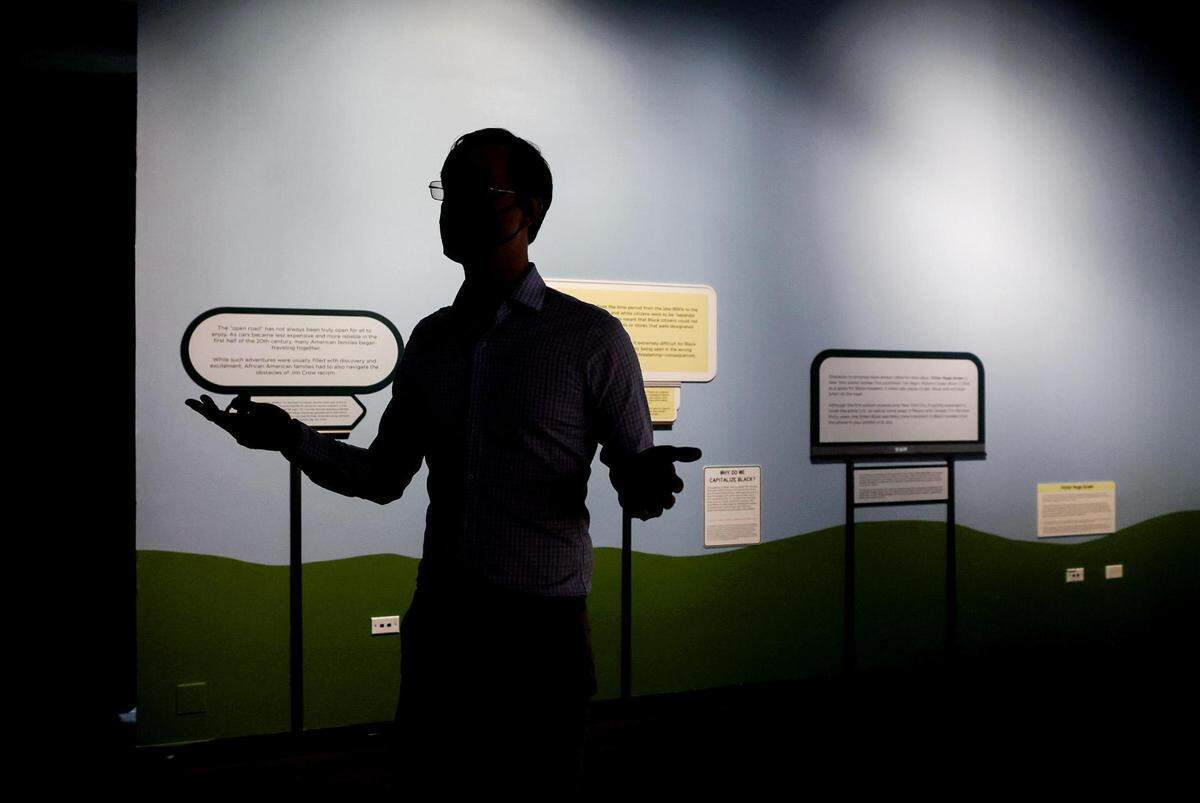
There is no intense imagery in the exhibit; instead the gallery guide includes sets of discussion questions for different ages and an interactive map challenging kids to plan a road trip with enough food, gas and rest before their next stop.
Gooding said he learned about the Green Book through family informally but never received a full historical foundation of it until he went to graduate school; it wasn’t a topic he was taught in K-12 grade.
“We’re looking to rupture that cycle because if you aren’t exposed to this information earlier...you might start to think differently as a result,” Gooding said. “What’s happening now in many of these race conversations, we’re passing each other like ships in the night. I, as a historian, contend that it’s all because many of us are not dealing with the same set of facts and information.”
This story was originally published February 10, 2022 at 5:07 PM.