
‘I think more clear.’ Weatherford man has improved outlook after surgery for seizures.
Imagine a life in which seizures are as common as putting on your shoes. Anywhere, anytime one could strike.
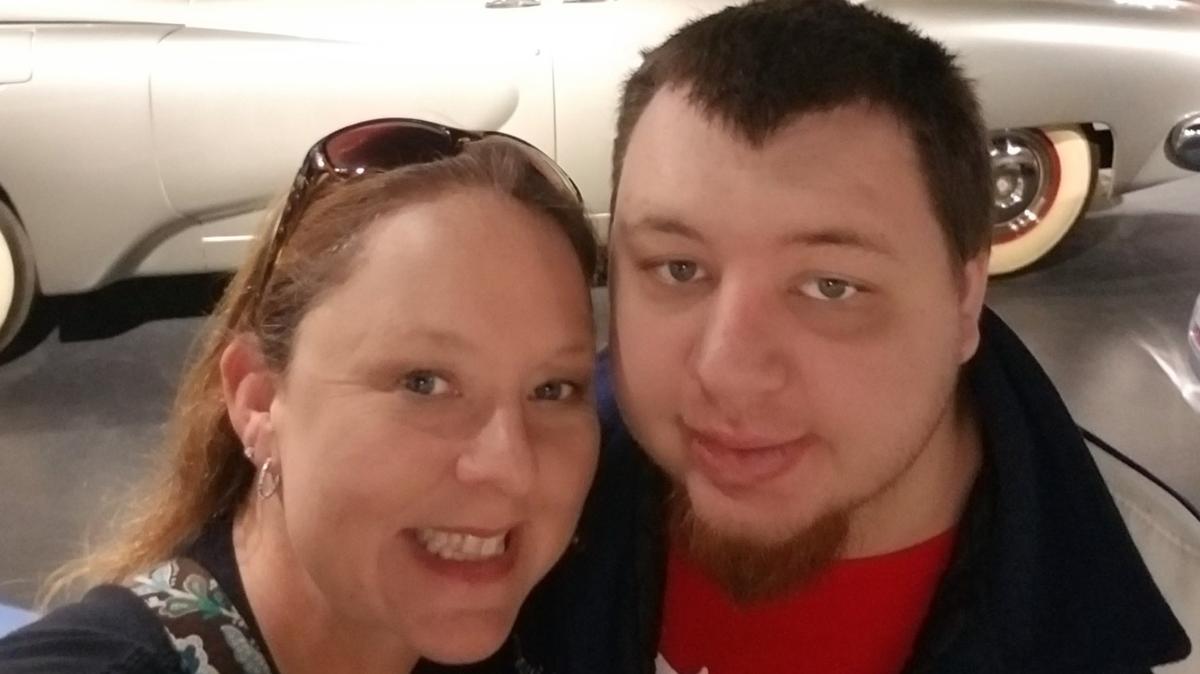
David Broumley, 22, of Weatherford didn’t have to imagine. For most of his life, after being diagnosed with epilepsy at age 6, seizures were a regular part of his life.
Simple things, such as smelling flowers, enjoying a nice meal, even watching TV or a movie, were challenges.
Now, the life that David and his family didn’t dare imagine for a decade and a half has arrived. In August 2019 he had surgery to implant the Neuropace RNS System, believed to be the first in the Weatherford area to receive such an operation, according to his mother, Jennifer Bromley Kristufek.
Jennifer said the surgery was completed at UT Southwestern Medical Center by Dr. Bradley Lega.
And through it all, David has stayed positive, she said.
“He has faced a lifetime of challenges and an incredible amount of hospitalizations, surgeries, doctors appointments, tests and a myriad of other things, but he has always taken it in stride,” Jennifer said. “Many people would be in a permanent bad mood, but David has gone through all of these trials with a good attitude and an ability to make anyone laugh.”
The implanted device is similar to a pacemaker, only it responds to brain activity. Once programmed by a doctor, it automatically delivers treatment when needed.
The Neuropace RNS System constantly monitors brainwaves, looking for unusual activity that may lead to a seizure. It even works while a person is sleeping.
The device is personalized to recognize the electrical patterns specific to each person’s brain, rapidly identifying unusual activity that can lead to a seizure. It then responds within milliseconds, sending brief pulses to instantly disrupt the activity and normalize brainwaves, often before a person can feel seizure symptoms.
Gaining more independence
While the seizures are now under control, David cannot live independently after so many years of attacks on his brain. He is still highly functioning, however, and continues to accomplish much, including having completed vocational training classes at Weatherford High School and having a job at Film Alley, a local movie theater/arcade/bowling alley.
“Even if we gain total seizure control, the seizures have caused brain damage and he will always need some assistance,” Jennifer said. “We do hope that after the pandemic passes that he will be able to attend a college program tailored to special needs adults and earn an associate’s degree, or possibly a certificate. He is always wanting to learn as much as he can about a subject, and he has an insatiable want to learn.”
Jennifer scans David’s head every night and the information is uploaded to the Neuropace RNS System, which his neurologist has access to and will then adjust settings as needed.
“Since the surgery the intensity and frequency of David’s seizures has decreased significantly. The ultimate goal is to begin tapering off some of the medications that he currently takes,” Jennifer said. “David’s clarity has improved and he is able to think more clearly than we previously saw. He is able to complete more tasks independently than he previously was able to.”
And it’s all much better than life was not so long ago, David emphasized.
“I think more clear,” David said. “I don’t have the bad headaches as much anymore, and I don’t have to take as much medicine.
“I can make breakfast now, and I remember more things.”
Jennifer added, “We noticed that his short-term memory has improved. For instance, he remembers the instructions for warming up his breakfast in the microwave. Previously, this happened rarely, if at all. He also enjoys being among people more than he used to.”
Family first
Jennifer also said the experience has taught the entire family to live for today and try to experience everything they possibly can together.
“We do everything as a family, and we help David experience life as a family,” she said.
This includes extensive travel.
“It’s not uncommon for us to take a cross-country road trip so that David can experience something that he would like to,” she said. “Some call us crazy, but I can’t imagine living life any other way.
“My favorite response when someone asks us why we are on the go so much is simply, ‘because, David.’”