Omicron and kids: What to know about COVID-19 risks
Children account for nearly 1 in 7 cases of COVID-19 in Tarrant County as of Tuesday.
Infections overall are surging, with Tarrant County reporting the highest number of new cases since late September.
With Fort Worth students returning to classes on Wednesday, experts say cases will continue to rise.
“We are predicting an increase in pediatric cases over time due to the omicron variant,” said Dr. Shane Fernando, pediatrics professor and clinical epidemiologist at the UNT Health Science Center. “It’s just one of those natural artifacts of a highly infectious variant.”
Here are answers to some questions parents may have about omicron and COVID-19 in kids.
Is omicron affecting kids more? Is it more severe or contagious for them?
Children are just as likely to be infected with COVID-19 as adults, according to the Centers for Disease Control and Prevention.
Kids under five who contract COVID are increasingly being diagnosed with croup, an upper airway infection that blocks breathing and presents as a bark-like cough. Other symptoms of croup include fever, hoarseness and trouble breathing. It usually goes away in three to five days.
COVID-19 can make kids very sick and cause them to be hospitalized — and have serious complications in some cases. For kids with underlying medical conditions, COVID-19 makes them more at-risk for severe illness.
Omicron does not cause more severe illness in children than adults, experts say.
A reason hospitalizations of children are rising is because a smaller percentage of kids have received vaccines compared to other age groups, Fernando says. Vaccines and booster shots reduce the severity of COVID-19.
Another reason is that it is difficult for parents to ensure that their kids are masking properly all the time when they want to play and move around. “We need to have a little bit of grace with that,” Fernando says.
Should kids be vaccinated? Boosted?
The sooner parents are able to get their children vaccinated, the better.
“The best way to protect your children is to vaccinate,” Fernando said.
Getting kids vaccinated will help protect from serious illness from omicron and future variants.
Only the Pfizer-BioNTech vaccine has been authorized for ages 5 to 17.
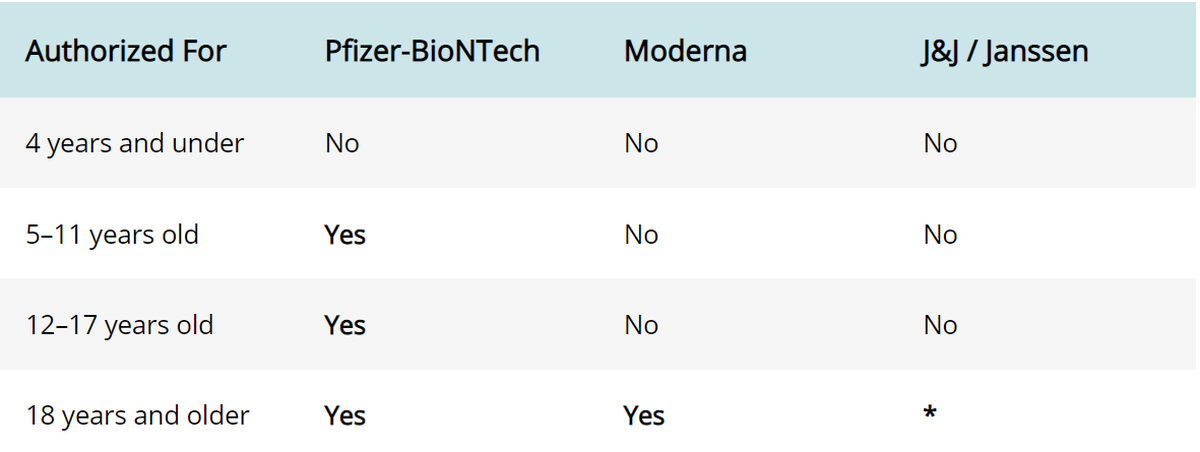
In Tarrant County, 15% of 5- to 11-year-olds have gotten at least one dose. For ages 12 to 17, it is 57%.
A vaccine for children 4 or younger hasn’t been authorizied in the U.S. One-third of the 70 kids currently hospitalized for COVID-19 at Texas Children’s Hospital are under the age of 5.
Experts say if you’re unable to get your kids vaccinated, vaccinating everyone in the household could protect them.
For immunocompromised 5- to 11-years-olds, the CDC recommends a third dose of the Pfizer vaccine 28 days after the second shot. And pre-teens and teens 12 and older can now get a Pfizer booster five months after the second dose.
Advice for young children who can’t get vaccinated?
Kids 2 and older should wear a mask in public spaces and around people they don’t live with, experts say.
Make sure that your nanny or anyone else taking care of them is vaccinated and wearing a mask. Also, getting older kids vaccinated will help protect younger siblings who aren’t eligible.
What do omicron symptoms look like in kids?
Omicron could look like a common cold. Look out for these symptoms in your kids:
- Runny nose
- Congestion
- Loss of smell
- Headache
- Fatigue
- Sore throat
- Redness
- Fever
As with adults, the severity of the illness varies from child to child. , but they usually get milder long-term effects if any.
“It takes time for you to return to a normal state of being,” Fernando said.
Are there long-term complications in kids?
One long-term effect of COVID that children are more at risk for is multi-system inflammatory syndrome, a condition where organs become inflamed. It shows up as cracked lips, red eyes, swollen hands, severe stomach pain and sometimes a rash.
Children are also more likely to develop diabetes after getting COVID, a Jan. 7 CDC study found.
How is omicron treated in kids?
Monoclonal antibody therapy in December became FDA-approved to treat pediatric patients as young as newborns if they are at-risk of progression to severe COVID-19.
“Now all patients at high risk of severe COVID-19, including children and newborn babies, have an option for treatment and post-exposure prevention. Children under 1 year of age who are exposed to the virus that causes COVID-19 may be at particularly high risk for severe COVID-19 and this authorization addresses the medical needs of this vulnerable population,” said Dr. Patrizia Cavazzoni, director of the FDA’s Center for Drug Evaluation and Research, in a press release.
Texas, however, is running low on that treatment.
The Pfizer pill could also be an effective treatment, Fernando says, but it hasn’t been approved for children.
How can parents protect children, especially during school?
There’s a significant risk of exposure at school when kids return after the holidays.
“The more individuals around them are infected with omicron, the more likely they are to be infected as well,” Fernando said.
Since the beginning of the school year, the Fort Worth school district has encouraged students to wear masks and social distance. But it is not allowed to mandate masks because of a Tarrant County District Court order.
Fernando recommends teaching your young one what masking should look like and having conversations about why you want him or her to be taking these safety measures. Talk to your kids about how precautions protect family and friends to help them understand its importance. And try to make activities like hand-washing fun by using colored bubbly soap, or buy masks with their favorite character.
He also encourages speaking with your child’s teachers about safety measures in the classroom, as well as with other parents when children go on play dates.
“Making sure that bubble that your child is living in is pristine and as safe as you can make it is going to give you the peace of mind you need to make sure your child has a successful future,” Fernando said.
In case your child begins to develop symptoms, make sure you have a pediatrician’s contact information handy. If your child is medically vulnerable, they can recommend additional protective measures.
What type of mask should kids wear?
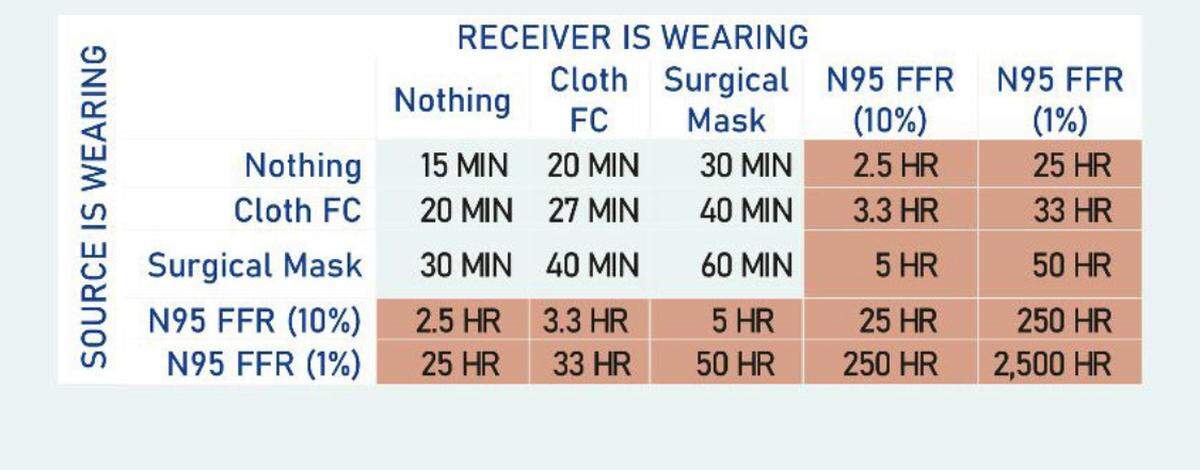
Fernando cautions against wearing a mesh mask or one with a breathing valve. While two-ply paper masks are not as effective, you can layer it with another mask for added protection. KN95 masks are the most protective, but children might find them restrictive and tight. If they find the KN95 mask uncomfortable, they can instead wear two cloth masks.
Whatever they’re most likely to wear, like a mask in their favorite color, will be a good option. “That’s better, and a better step than having the best KN95 that’s just sitting in their pocket,” Fernando said.
When should kids get tested?
If you suspect that your child has been infected, use an at-home rapid test. If the test comes back positive, follow it up with a PCR test to confirm. If it comes back negative and they’re not showing symptoms, get them tested again in five days to a week.
Fort Worth ISD has partnered with the city to help extend testing sites. You and your family can get tested at:
- TEXRail North Side Station — 3001 Decatur Ave., open weekdays 8 a.m. to 5 p.m.
- Como Community Center — 4660 Horne St., open Tuesdays and Thursdays 1 to 4:30 p.m.
- FWISD Scarborough-Handley Fieldhouse — 6201 Craig St., open Tuesdays and Thursdays 8 to 11:30 a.m.
When should kids skip school to isolate?
While the CDC shortened the recommended isolation period to five days, Fernando still recommends that children isolate for 10 days before returning to school.
Should kids participate in after-school activities like clubs or sports?
All close-contact activities carry a risk of infection, but outdoor activities are a little bit safer because of the ventilation. If your child is playing a sport that doesn’t require a lot of close contact, there isn’t much risk involved.
This story was originally published January 5, 2022 at 6:00 AM.