As Tarrant passes 1,000 COVID-19 deaths, DFW faces ‘collective grief’ from pandemic
Coronavirus has officially robbed Tarrant County of more than 1,000 lives.
Tarrant County passed the unwelcome milestone Monday when 22 deaths were reported, bringing the total COVID-related deaths to 1,014. With their deaths, thousands of holidays, birthdays and memories were extinguished. And those left behind continue to try and grieve in a community shaken by collective grief.
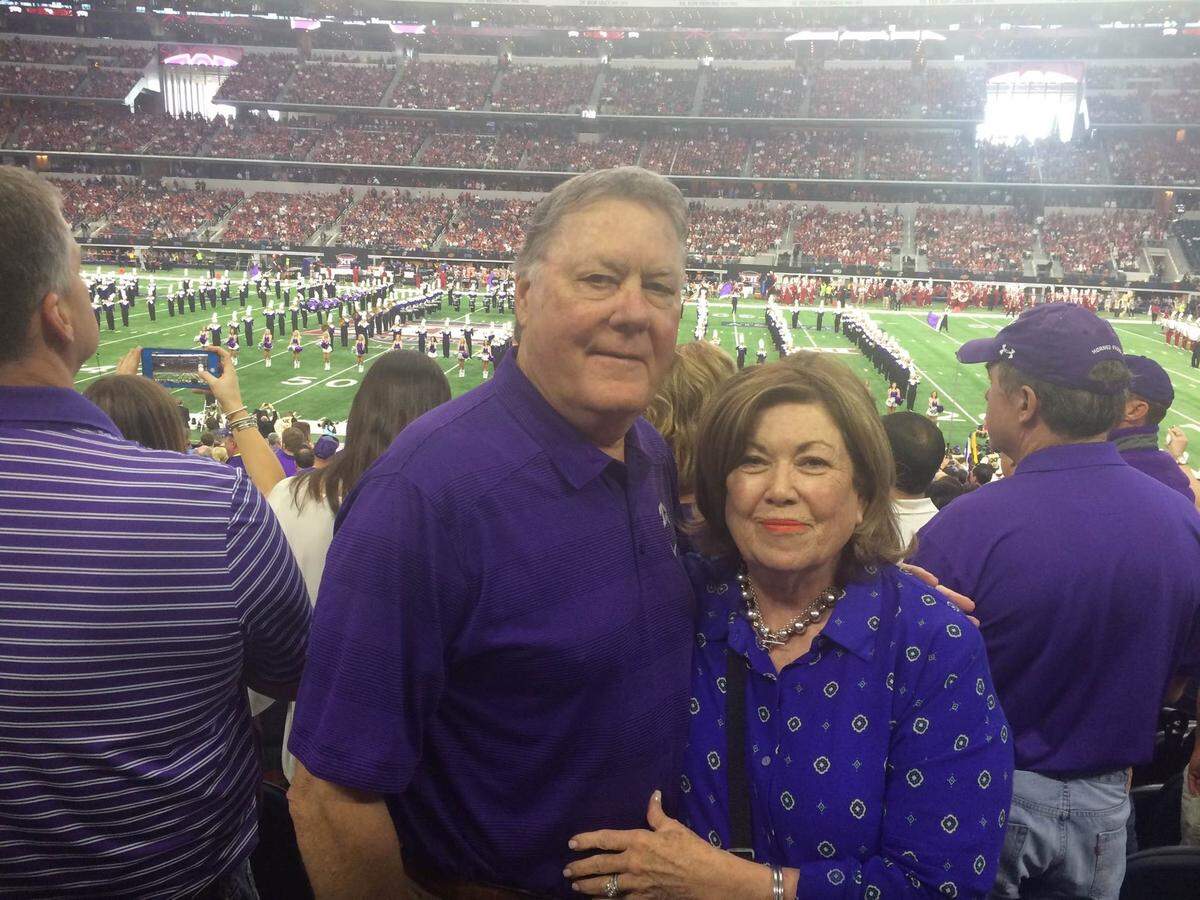
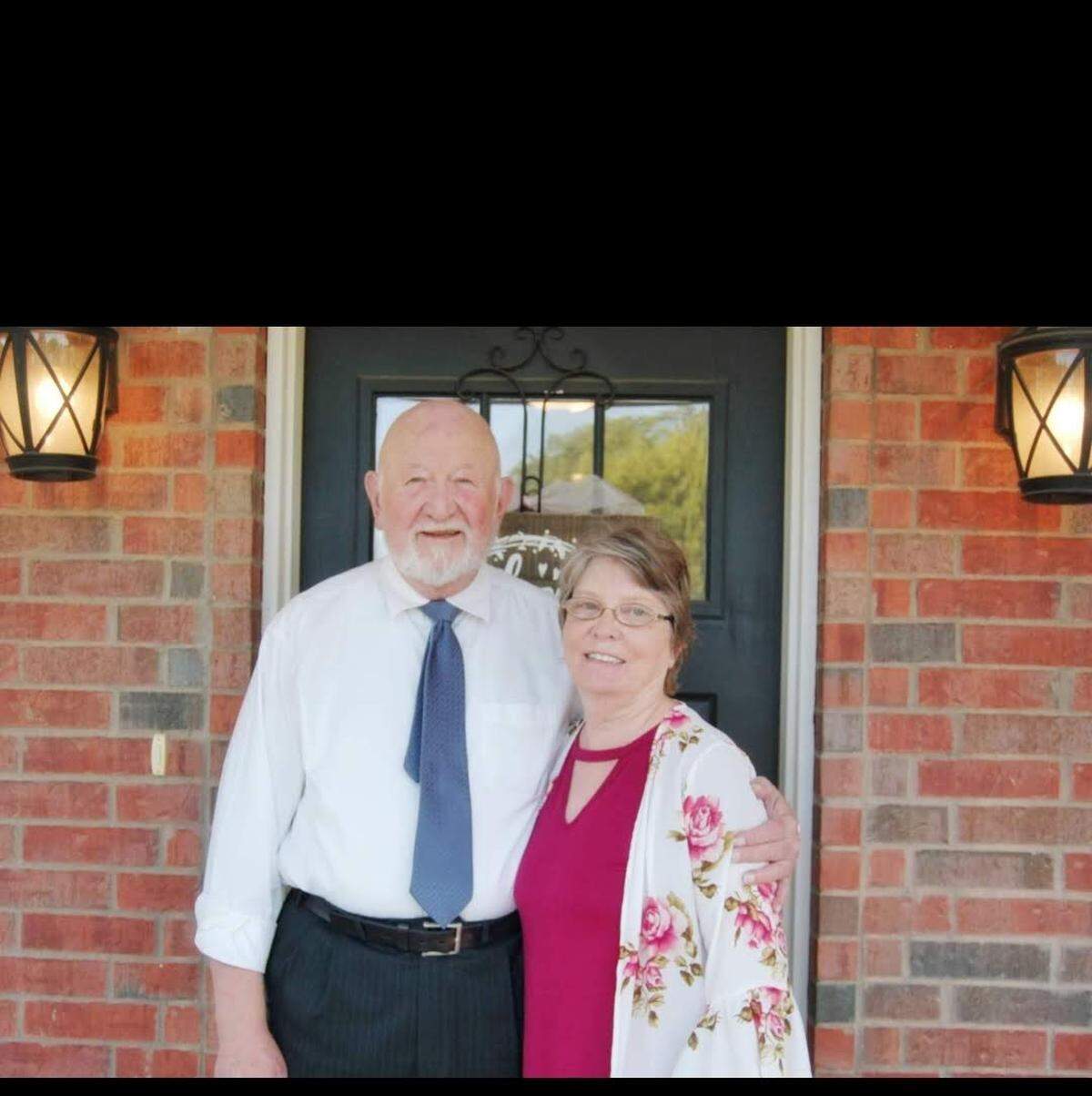
From COVID-19, we’ve lost local leaders, such as TCU booster Susan Nix and attorney Rice M. Tilley Jr. Or Curtis and Betty Tarpley, a Fort Worth couple who met in California and died holding hands in the hospital. And Marie Neba, a nurse practitioner with breast cancer who was denied compassionate release from Carswell federal prison — and hundreds of others who made a mark on the world in their own way.
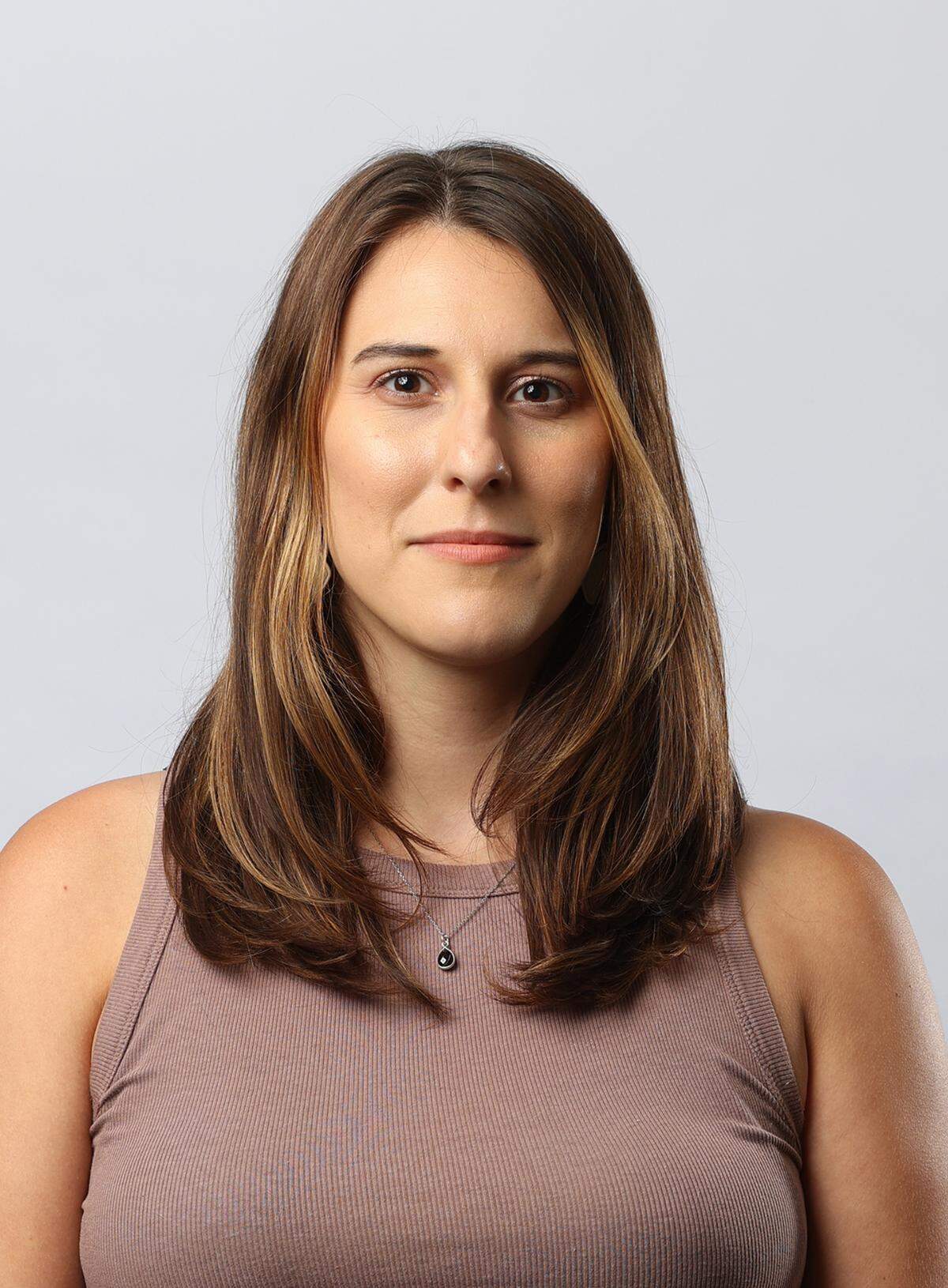
“It still sometimes doesn’t feel real, because there has really been no closure,” said Anne Sanders, whose husband, Wade Sanders, and stepdad, Marshall Baldwin, died in the spring from coronavirus. “It just feels really numb.”
This torrent of death impacts even those who have not lost someone to the virus, experts say. Mental health problems in Dallas-Fort Worth have skyrocketed, and people may face post-traumatic stress disorder from the trauma of coronavirus.
“We’re seeing an increase like I’ve never seen, and I’ve been doing mental health services for 15 years,” said Bonnie Cook, executive director of Mental Health America in Dallas. “Our phone rings off the hook with people needing services.”
1,000 death threshold
The rate of COVID-related deaths has increased in Dallas-Fort Worth in the weeks since Thanksgiving. As of Monday, the county has seen double-digit death reports for seven days. The spread of COVID-19 likely increased due to people gathering for the holiday, and the area is just now seeing those fatalities.
“I hate that we reached this mark,” Tarrant County Judge Glen Whitley said about crossing the 1,000-death threshold. “Every one of these folks was someone’s loved one.”
Two of those loved ones were part of Anne Sanders’ family. In late March, her husband, Wade, was hospitalized with COVID-19 and placed on a ventilator for 14 days. He seemed to improve and was able to be taken off oxygen support and tested negative for COVID-19. But on April 14, Wade, locally known as the “Cowtown Wine Dude,” suddenly went into cardiac arrest and died.
Two and a half weeks later, Anne Sanders’ stepdad, 80-year-old Marshall Baldwin, died from COVID-19. Baldwin was married to her mother for 32 years and was his wife’s caretaker when she started to show signs of Alzheimer’s disease.
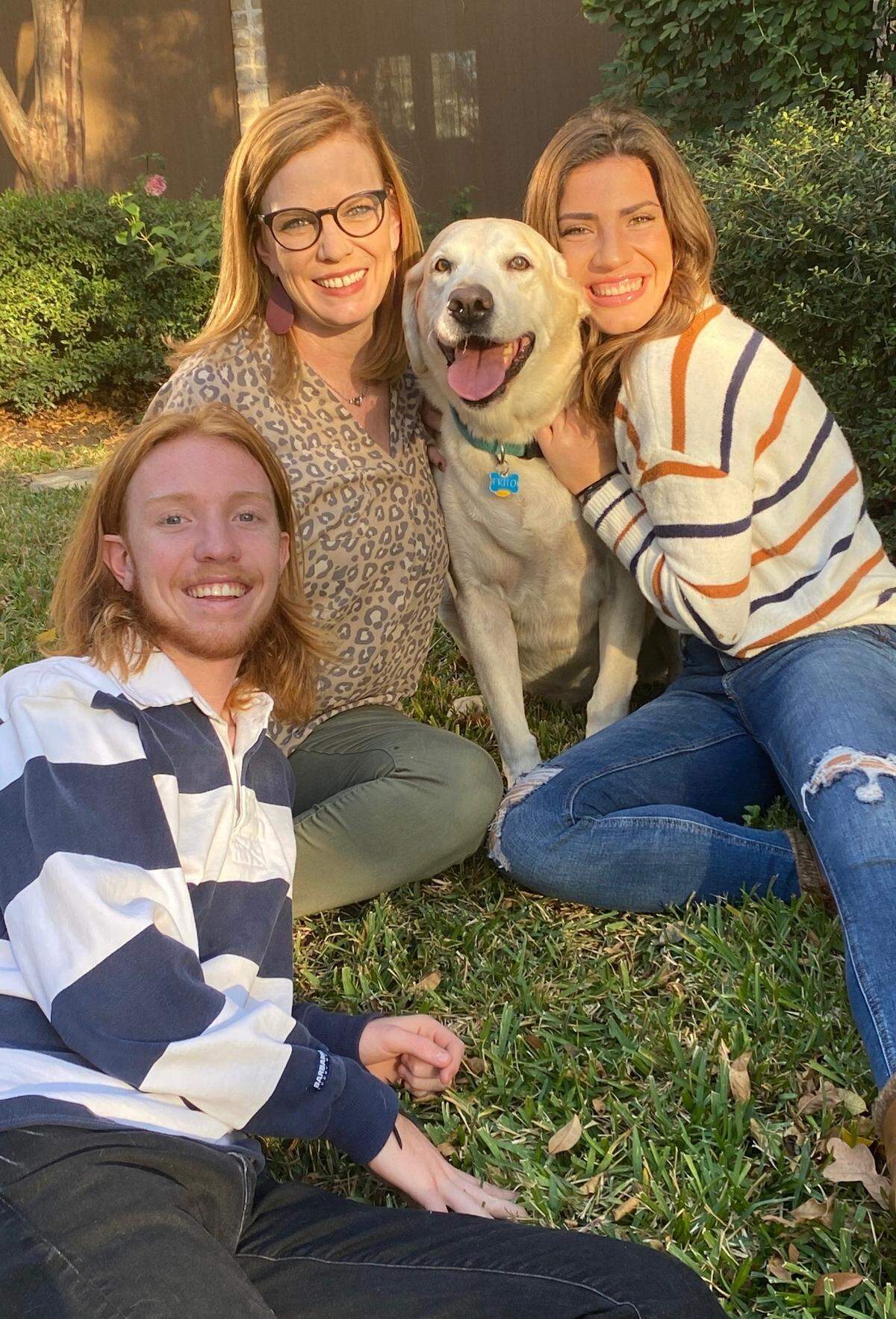
“It just kind of feels like you’re stuck in a revolving door a little bit,” Sanders said.
David Farmer, the director of interprofessional education and practice at the University of North Texas Health Science Center, said COVID-19 restrictions complicate the grieving process since families cannot hold normal funerals or get the usual support from their community.
“Not only is the community mourning at the loss of so many family and friends,” said Farmer, who also has a doctorate in counseling and marriage and family therapy. “But there’s a lack of ability to participate in that grieving process by saying goodbye.”
The Sanders family has not had a memorial service for Wade Sanders because “we don’t want to do it the way COVID would make us do it,” Sanders said.
“It would go against everything that was Wade,” she said. “He was community, he was comfort, he was fun.”
Collective grief
The pandemic has not only affected those who have lost someone to COVID, but has touched every aspect of life.
In 2019, the Mental Health America group of Greater Dallas screened 3,000 people in Dallas-Fort Worth for mental health concerns.
In total this year, 50,000 people have sought help from the nonprofit due to anxiety, depression or another mental health crisis.
“People are angry,” Cook, executive director of the local branch of the nonprofit, said. “They think they’re angry but they’re really scared, depressed and sad. And it comes out as this anger.”
Fear, isolation and uncertainty have exacerbated existing mental health problems or created new ones. People feel the loss of connection as graduations, weddings, birthdays and social gatherings are sidelined by the pandemic.
“There’s a collective grief not only from the lives lost, but the connection lost,” Cook said.
As people struggle with loneliness and the holidays begin, many people might travel to see family or host gatherings.
Whitley urged people to social distance, wear masks and wash their hands, but refrained from telling people to avoid their families entirely. People have been afraid, isolated and anxious for months, “so that’s why I’m not going to say don’t see your family,” he said.
“I think I would just ask that everyone do what they think is appropriate to protect their families as they go into this holiday season,” he said. “I know it’s tough.”
He emphasized the need to protect those most vulnerable, such as those with underlying conditions, to try and avoid another rise in the COVID-19 death toll that Thanksgiving caused.
“I’m afraid we may very well have the same thing around Christmas time,” he said. “And we may just be beginning.”
The ‘what ifs’
Some people who have had COVID-19 and recovered feel a kind of survivor’s guilt, Cook said.
Sanders knows the feeling. She and her mother got tested for COVID-19 antibodies and found out they both had had the virus. She questions if she’s the one who passed coronavirus along to her husband, and how she could have no symptoms from the same disease that “swallowed my husband’s white blood cell count.”
“I wouldn’t wish the ‘what ifs’ and the ‘if we knews’ on anybody,” she said.
Her husband had recently been diagnosed with lymphoma, but his condition was stable and doctors were merely monitoring it. She gets frustrated when people think most of those who die from COVID-19 “would have died anyway.”
“It’s just not true,” she said. “COVID is what killed them.”
Wade and Anne Sanders met in Alpine in 1998 when they both worked at Reata. They got married two years later on New Year’s Eve on the cusp of the millennium. Wade Sanders told Anne that “if Y2K is gonna get us, it’ll do it on our wedding day.”
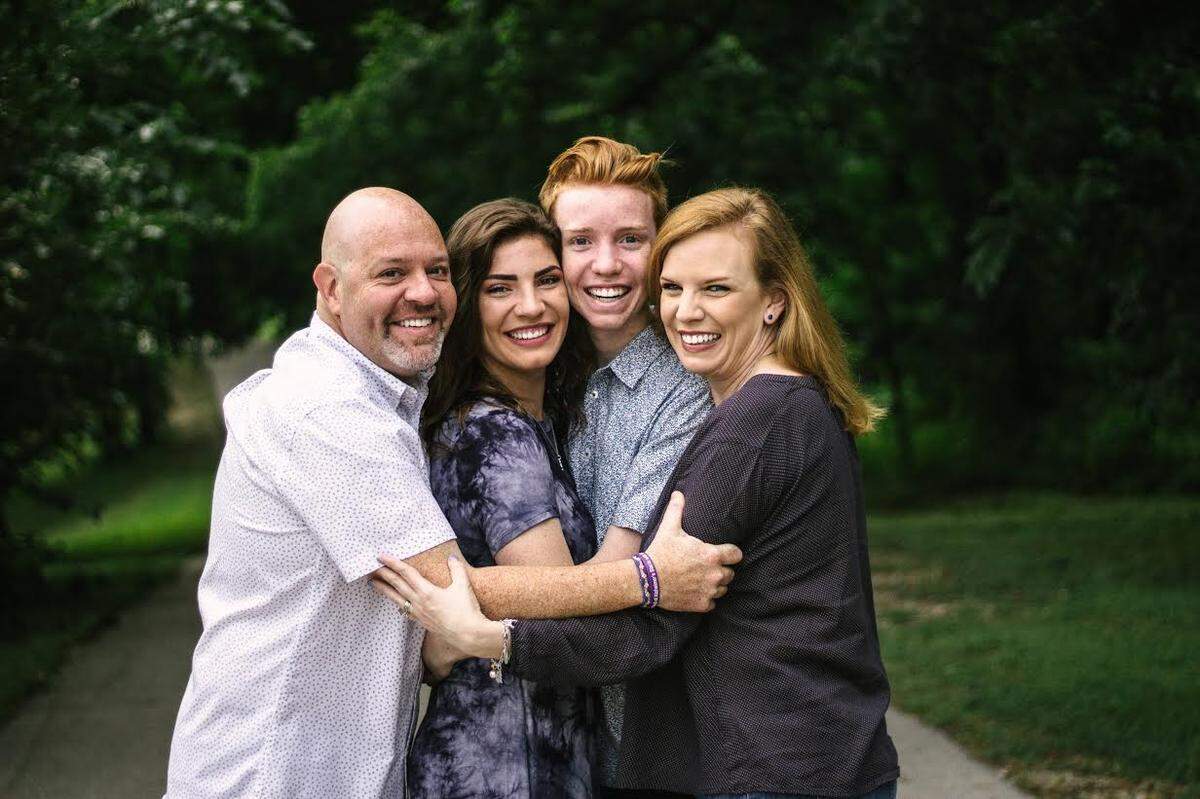
The family might not have had much, but they were tight knit, Sanders said. Wade Sanders loved Texas, history and most of all, his two kids, 21-year-old Dallas and 17-year-old Lawson. He was close with his parents, Nick and Lynda Sanders.
Since Sanders’ husband and stepdad died, much more is known about the virus that killed them. At the time, the reigning theory was that COVID-19 was mostly transmitted through surfaces, which impacted the hospital’s policies. Her husband’s wedding ring, for example, was cremated along with his body because “he had COVID, and they wouldn’t take it off of his finger.”
“I’m so grateful that we’re closer to a vaccine and that lets families not have to go through the pain that so many have gone through,” she said. “There’s always going to be that thought that you wish that some of that would have happened earlier.”
‘Life after COVID’
Even with a vaccine on the horizon, the mental health crisis caused by COVID-19 is not just going to disappear overnight. In fact, Cook worries 2021 will be even worse for mental health access than 2020. She predicts “a different kind of PTSD” will afflict the community. And the long-term impacts of isolation have yet to be revealed, Farmer said.
“The uncertainty that we’re all facing is when will we feel safer about COVID?” Farmer said. “What will life look like after COVID?”
The news of a vaccine does help, however, by giving people hope that there is an end to this crisis, Farmer said.
For those struggling with depression, anxiety or other mental health concerns, Farmer encourages people to use social media to find communities of support and focus on what can be controlled, such as wearing a mask.
“This is our reality right now but this likely won’t always be our reality,” Farmer said. “Focus on the hope of a future without COVID.”
Sanders advised those who have recently lost someone to COVID-19 to give themselves time to process and know that “grief doesn’t have a timeline.”
Texas’ COVID-19 Mental Health crisis hotline is available at 833-986-1919.
This story was originally published December 14, 2020 at 6:34 PM.