Inmates seeking release from infected Fort Worth prison are in race against coronavirus
Many inmates at Federal Medical Center Fort Worth fear their only safe way out of the prison, where nearly half the inmates have coronavirus, is through compassionate release or home confinement.
But the process for release is often too slow or too selective, attorneys and families say, and officers say the criteria change frequently.
While the U.S. attorney general ordered federal prisons to thin their populations to curb the spread of coronavirus, many fear their release will come too late, as it was for Oscar Ortiz.
Ortiz celebrated his 78th birthday inside FMC Fort Worth prison on March 5.
His fellow inmates threw him a birthday party with tacos and cake, also celebrating Ortiz’s upcoming release from the prison. He had been granted compassionate release due to his health conditions coupled with the coronavirus spreading throughout the prison.
He was set to go home on May 5 and hoped to meet his great-grandchildren, a fellow inmate said. Ortiz had been in prison for 18 years, nine of which were at FMC Fort Worth, for running a drug operation in Idaho.
On April 13, Ortiz tested positive for COVID-19. He died nine days later. The Bureau of Prisons said Ortiz had underlying conditions, but did not specify what those conditions were in a news release on Ortiz’s death.
Some inmates are denied home confinement or compassionate release because they are too healthy. Others might be approved, but the process takes too long, families and attorneys say.
On March 26, the U.S. attorney general ordered the Bureau of Prisons to prioritize home confinement in response to the coronavirus pandemic. Since then, 2,023 inmates across the country have been approved for home confinement, up 70% from the usual amount.
But some say that isn’t enough.
“The number of releases is a drop in the bucket for those who qualify for compassionate release,” said Michele Deitch, a senior lecturer at the LBJ School of Public Affairs and the School of Law at The University of Texas at Austin.
Gregory Watts, union president and correction officer at FMC Fort Worth, said part of the problem is that the BOP keeps changing the criteria for those who qualify for release.
So far, 24 inmates are pending release and 40 have been released from the prison, Watts said.
A slow process despite COVID-19
The criteria used to consider an inmate for home confinement were originally based on two memos from the U.S. Attorney General William Barr on March 23 and April 3. Barr said factors such as an inmate’s age, prison conduct and crime should be considered.
However, on April 24, the DOJ issued a new requirement that inmates must have served 50% or more of their sentence or have 18 months or less remaining.
The Bureau of Prisons said on April 5, it started reviewing all inmates who have COVID-19 risk factors to determine who meets the criteria for home confinement. The attorney general asked the BOP to start with inmates at three federal correctional institutions in Oakdale, Louisiana; Danbury, Connecticut; and Elkton, Ohio. Those prisons were all hit hard by coronavirus early on.
Inmates do not need to apply to be considered for home confinement, in which they are placed on house arrest. However, inmates do apply for compassionate release and can do so through the federal court system. Whether they are approved is up to the courts, not the BOP or prison officials.
Raymond Carmona’s attorney, Jasmine Crockett, spent weeks trying to file an appeal for his release. The day she was finally able to file his motion, Carmona tested positive for coronavirus.
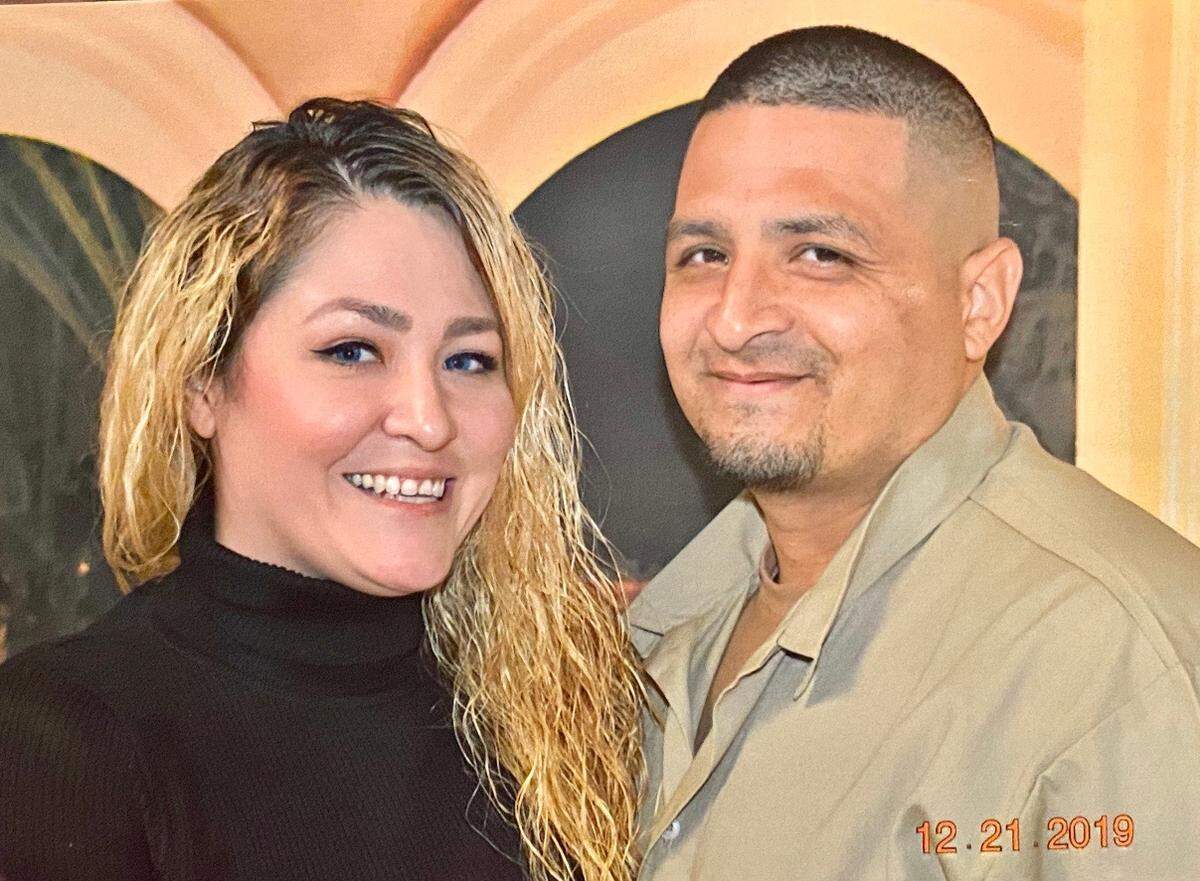
“This was the nightmare I was trying to avoid,” Crockett said.
She said officials at FMC Fort Worth would not return her calls, slowing down an already meandering process.
Carmona, who has been in the prison since 2009, is serving a 10-year sentence for possessing 40 pounds of marijuana. The conviction carries a sentence of two to 10 years, but Crockett said it is highly unusual for a judge to issue the maximum sentence.
“It is absolutely asinine that there is someone who could potentially lose their life over a marijuana conviction,” Crockett said.
Carmona’s sister, Monique Carmona-Stokes, said her family has had a prayer session for her brother every night since they found out he has the virus. He has diabetes and asthma, putting him more at risk of serious symptoms.
“I am not the kind of person who carries anxiety, and I can tell you, I have had many sleepless nights,” she said.
Carmona’s sentence is under appeal.
Too healthy for release amid coronavirus
Chris Monroe was denied home confinement because he is too healthy — he was transferred to the facility before it became a medical prison and has no underlying medical conditions.
In fact, Monroe, 38, has always been physically strong, his sister Tanya Richards said. At 6-foot-9-inches tall, his family calls him “the gentle giant,” and he earned a basketball scholarship to the University of Idaho before he became addicted to drugs.
But Richards said her brother’s perceived strength is no solace to her.
“(Society) has not been here before. There is no criteria for who this virus kills,” she said. “We’ve seen thousands and thousands and thousands of people die. These aren’t just elderly people or people with co-morbid conditions.”
Monroe fits into other criteria for home confinement. He graduated with honors from the prison’s drug rehab program, became certified in physical fitness and earned the job of dental assistant, according to his motion for release.
Monroe planned to plead his case to the warden personally.
“If he doesn’t get to walk out of there as the new person he is, it will be absolutely devastating,” Richards said.
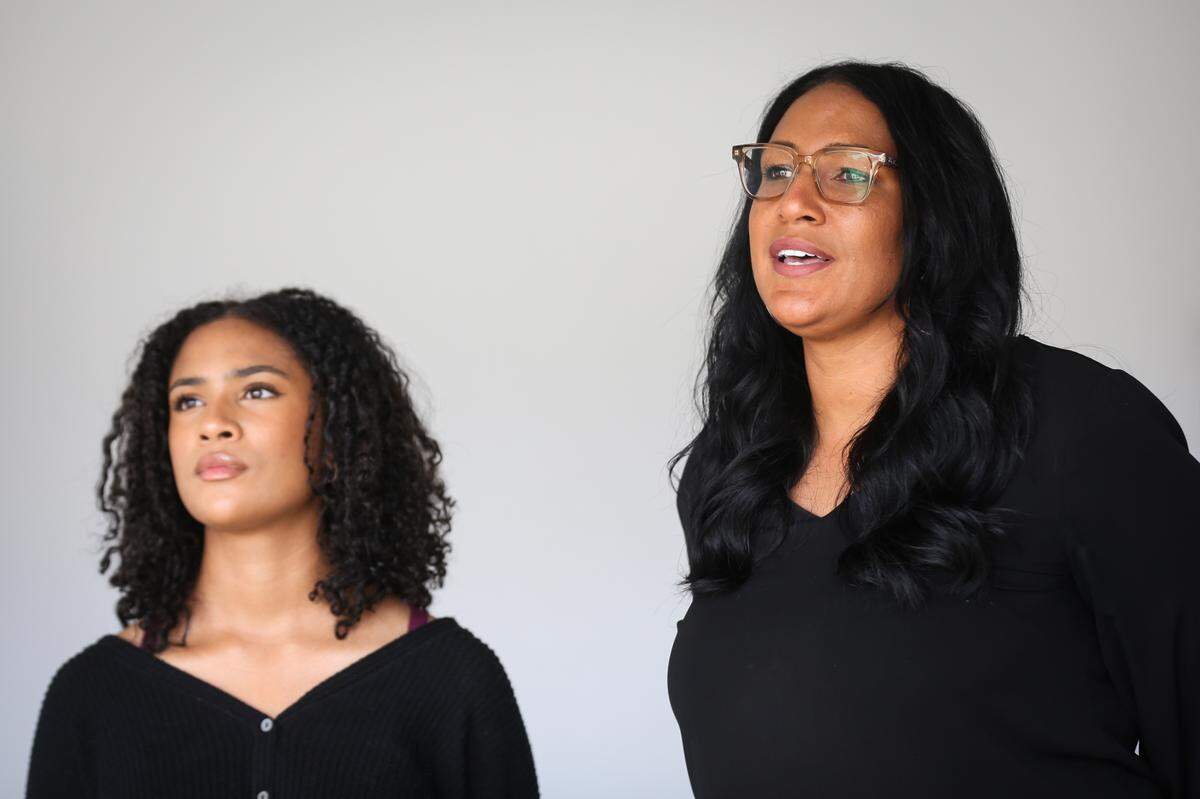
His niece, 18-year-old Bailey Richards, said her uncle is her inspiration. Besides turning his life around in prison, he makes her laugh and always seems optimistic.
Monroe said he is trying to retain that positivity at FMC Fort Worth, but keeping his head up is difficult. The floors below him are consumed with coronavirus, and most of the inmates are just waiting for the virus to infect them, too.
On May 5, Monroe’s entire unit was tested for coronavirus. Monroe tested positive.
‘We’re fighting for you.’
Patt Strong, Monroe’s mother, used to sleep better at night knowing her son was getting the rehabilitation help he needed in prison, but now she does not sleep — she worries.
Her son, who Strong raised alone after Monroe’s dad died when he was 8 years old, deserves the chance to get married, get a job and contribute to society, she said.
Deitch said the goal of the BOP should be to release “anyone who really and truly is not a current danger to our communities.”
While some communities might fear the release of inmates, Deitch said it benefits everyone. Reducing the prison’s population would reduce the number of inmates who are infected and need medical care. Since FMC Fort Worth sends critically ill inmates to John Peter Smith Hospital, the beds sick inmates take up are the same ones that members of the public need if they are ill.
“There is not a bright line that is drawn between our prisons and our communities — they are intricately related,” Deitch said. “What’s happening inside there is happening in our communities. We can’t just block them off and say they don’t matter.”
Tanya Richards said keeping her brother and other inmates inside a coronavirus-infested prison is “cruel and unusual punishment.”
“Our family is begging for our loved one’s life,” she said. “I am begging for my brother’s life.”
On Thursday, she told the Star-Telegram she had a message for her brother: “We’re fighting for you, and we’re waiting for you.”
This story was originally published May 11, 2020 at 2:40 PM.